
The Complete Medical Guide to Prostate Massage: Benefits, Risks & Safe Practices
Understanding the Prostate Gland & Male G-Spot (P-Spot)
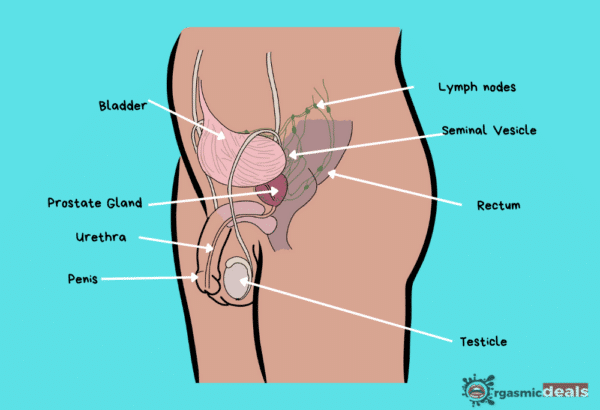
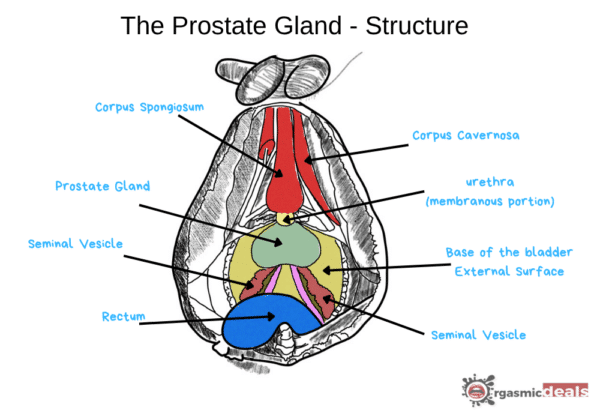
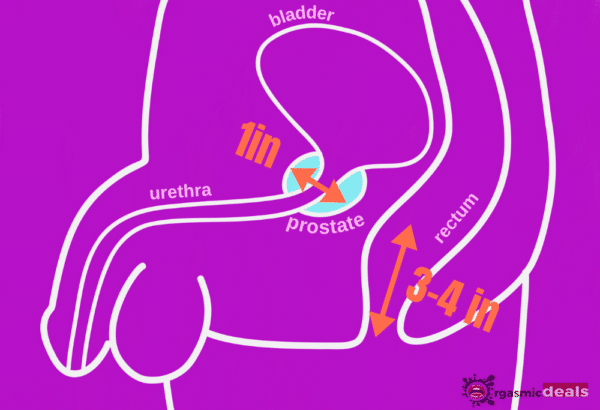
The prostate is a walnut-sized gland vital to male reproductive and urinary health. Located just below the bladder and surrounding the urethra (the tube that carries urine and semen), this powerhouse organ:
Produces 30-35% of seminal fluid (Cleveland Clinic, 2023)
Helps regulate urine flow
Contains highly sensitive nerve endings, making it the so-called male G-spot (or P-spot)
3D Prostate Anatomy
Prostate Anatomy by Nima on Sketchfab
"The prostate is an often-ignored pleasure center in men. With proper technique, stimulation can enhance sexual experiences safely."
Prostate massage—when done correctly—can unlock:
✅ Deeper, more intense orgasms
✅ Potential relief from prostatitis symptoms (with medical supervision)
✅ Improved pelvic muscle awareness
But safety comes first. Let’s dive into the science-backed practices.
Key Takeaways
✔️ Prostate stimulation can enhance pleasure—many men report deeper, more intense orgasms.
✔️ It is not a medical treatment—while it may offer some symptom relief for prostatitis, always consult a doctor for health concerns.
✔️ Safety first—avoid if you have infections, hemorrhoids, or prostate conditions.
✔️ Start slow—use proper lubrication, gentle pressure, and clean tools.
✔️ Communication is key—whether solo or with a partner, listen to your body and stop if anything feels off.
Medical vs. Recreational Prostate Massage
Clinical Prostate Massage
Per the American Urological Association (AUA):
Diagnostic: A urologist may use prostate massage to collect fluid samples for laboratory analysis. The fluid is examined for signs of infection or inflammation, which helps in the diagnosis of conditions like prostatitis.
Therapeutic: Rarely used for chronic pelvic pain.
Important: Only trained professionals should perform medical prostate massage.
Recreational Prostate Massage
For pleasure, follow these safe steps:
Preparation: Empty bowels 1–2 hours beforehand. Trim nails (or use medical gloves). Use water-based lube (FDA-approved). Optional hygiene: How to douche safely before anal play.
Procedure: Position: Knees-to-chest or lying on your side. Insertion: Gently slide a lubricated finger 2–3 inches in (toward the belly button). Locate the prostate: Feels like a spongy, walnut-sized bump. Stimulation: Use light pressure (1–2 lbs of force).
Aftercare: Clean toys with medical-grade disinfectant. Hydrate to flush the urinary system. Watch for: Bleeding, pain, or fever (seek medical help if these occur).
What is the Difference Between a Prostate and a Penile Orgasm?
While both are intensely pleasurable, they are distinct experiences driven by different parts of the male anatomy.
The Sensation: A penile orgasm is often described as a sharp, localized peak of pleasure that quickly builds and releases. A prostate orgasm, in contrast, is more of a deep, rolling, full-body wave of pleasure that can last longer and is centered in the pelvic region.
The Fluid: A penile orgasm typically results in the ejaculation of semen. A prostate orgasm can be a “dry orgasm,” where no fluid is released, or it may result in the release of a small amount of clear, pre-ejaculatory fluid without semen.
The Refractory Period: After a penile orgasm, most men experience a refractory period, a recovery time during which they cannot become aroused again. Prostate orgasms often have a shorter or non-existent refractory period, allowing for a quicker return to arousal and the potential for multiple climaxes.
Non-Invasive Options: Perineum Massage
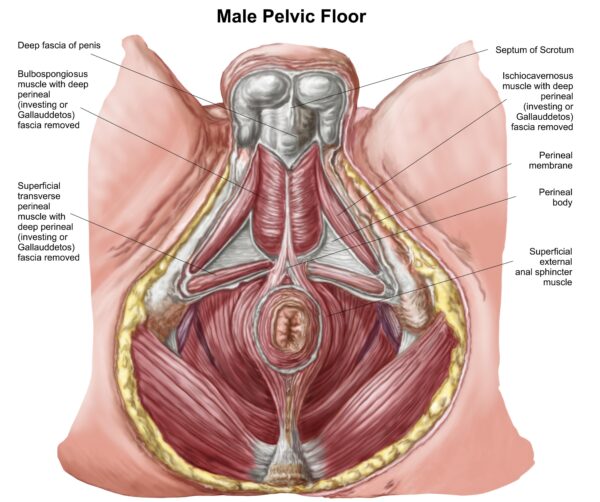
For beginners or those hesitant about internal stimulation, perineum massage is a safe and gentle alternative. The perineum is the area of skin between the scrotum and the anus. Massaging this area, often called the “taint,” applies external pressure to the prostate and can provide a similar, albeit less intense, sensation. This is a great way to explore without internal contact and can be done alone or with a partner.
Risks & Contraindications
Who Should AVOID Prostate Massage?
According to comprehensive guidelines from medical sources like Mayo Clinic, Healthgrades, and WebMD, prostate massage should be avoided if you have any of the following conditions:
Active Infection: Acute bacterial prostatitis or a urinary tract infection (UTI), as massage could spread the infection and lead to a more serious condition like sepsis.
Prostate Cancer: There is a theoretical risk of spreading cancer cells to other parts of the body, so it should be avoided unless explicitly approved by an oncologist.
Pre-existing Rectal Conditions: Severe hemorrhoids, anal fissures, or inflammatory bowel disease (IBD) can be exacerbated by massage, leading to pain and bleeding.
Recent Surgery: Any recent surgery in the prostate or rectal area (typically within the last 6 weeks) requires time to heal.
Undiagnosed Symptoms: Any new or unexplained pelvic pain, bloody urine, or abnormal discharge should be checked by a doctor before attempting prostate massage.
Recommended Prostate Massager:
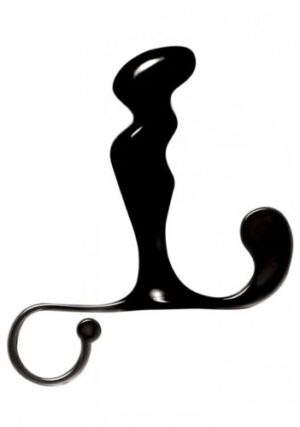
Silicone Rechargeable Vibrating Butt Plug Prostate Massager
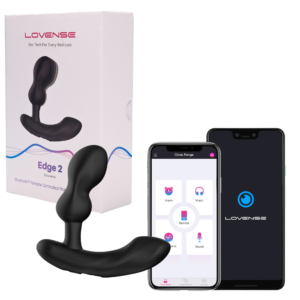
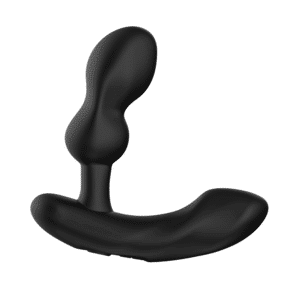
Lovense Edge 2 App Controlled Silicone Vibrating Prostate Massager
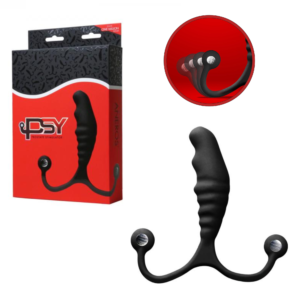
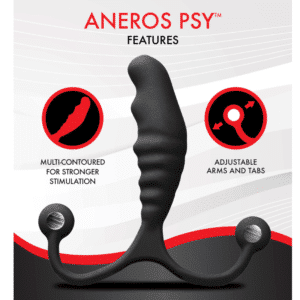
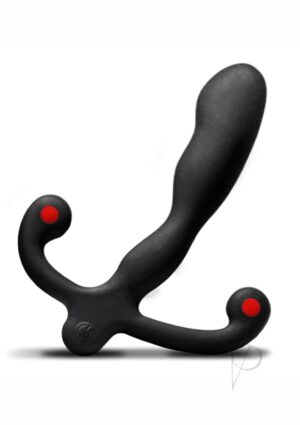
Aneros Psy Bendable Adjustable Arms Prostate Massager Ribbed Butt Plug
Prostate Play Positions (Solo Play)
For a complete masterclass on technique and troubleshooting, see our ultimate guide: How To Use A Prostate Massager Safely and Effectively.
Frequently Asked Questions (With Medical Sources)
Answer: According to a 2021 Journal of Sexual Medicine study, men describe it as:
- A deep, full-body climax (vs. localized penile orgasm)
- Longer-lasting waves of pleasure (30+ seconds)
- Often accompanied by involuntary pelvic muscle contractions
- May produce clear fluid (“pre-cum”) without ejaculation
Key Difference: Unlike penile orgasms, prostate orgasms typically lack a refractory period, allowing some men to experience multiples.
Answer: When done correctly:
✅ Safe for most healthy men (Mayo Clinic, 2023)
⚠️ Risks if:
- Too much pressure (can cause bruising)
- Poor hygiene (UTI risk)
- Existing conditions (see Contraindications below)
Medical Contraindications:
❌ Prostate cancer
❌ Active prostatitis/UTI (CDC Guidelines)
❌ Severe hemorrhoids
Answer: Recommended frequency:
- Pleasure: 1-2x/week max (International Journal of Urology, 2022)
- Therapeutic: Only as directed by your urologist
Overuse Risks:
- Prostate irritation
- Temporary urinary hesitancy
Answer: Absolutely. As noted by Dr. Michael Eisenberg (Stanford Men’s Health):
“Prostate stimulation is about anatomy, not sexual orientation. Many heterosexual couples incorporate it into their intimacy.”
2023 Survey Data:
- 41% of straight men reported trying prostate play (Men’s Health Survey)
Answer: Based on FDA safety guidelines:
| Type | Best For | Avoid With |
|---|---|---|
| Water-based | All users, silicone toys | May dry faster |
| Silicone-based | Longer sessions | Silicone toys |
| Hybrid | Balance of longevity/safety | Check ingredients |
Top Pick: Sliquid H₂O (pH-balanced, glycerin-free)
Answer: No. The American Cancer Society states:
“There’s no evidence prostate massage prevents or treats cancer. Regular screenings (PSA tests/DREs) remain essential.”
What Helps:
- Healthy diet (tomatoes, cruciferous veggies)
- Exercise (30+ mins/day)
Answer: Limited evidence. A 2020 Journal of Andrology study found:
- May improve blood flow to pelvic region
- Not a substitute for ED meds (like Viagra)
- Best combined with Kegel exercises
Answer: Stop immediately if you experience:
⚠️ Sharp pain (vs. mild discomfort)
⚠️ Bleeding (rectal or urinary)
⚠️ Difficulty urinating post-massage
Pro Tip: Use no more than 2 lbs of pressure—about what you’d use to check a ripe avocado.
Answer: Opt for slim, curved designs like the Aneros Psy (featured above) for gentle exploration
Answer: Per CDC hygiene guidelines:
Wash with warm water + mild soap
Disinfect with:
- 70% isopropyl alcohol (silicone toys)
- Boiling water (glass/metal)
- Dry thoroughly before storage
Never Use: Harsh chemicals (bleach) that degrade materials.
Answer: Depends on goals:
| Type | Pros | Cons |
|---|---|---|
| Non-vibrating | Better for learning anatomy | Less intense |
| Vibrating | Stronger stimulation | Can numb nerves if overused |
Urologist Tip: Start non-vibrating, then add vibration once comfortable.
Yes. As described above, a prostate orgasm can be a “dry orgasm” where you experience the pleasure of a climax without the physical release of semen. This is a common aspect of prostate stimulation.
Answer: Prostate orgasms typically have a much shorter or non-existent refractory period compared to penile orgasms. This means you can become aroused again more quickly and potentially experience multiple orgasms in a single session.
Answer: Massaging the perineum (the area between the scrotum and anus) is a non-invasive way to stimulate the prostate. While it can produce a similar pleasurable sensation, it is generally considered less intense than direct internal stimulation. It serves as a good starting point for beginners.
Conclusion: Exploring Prostate Massage Safely and Confidently
Prostate massage can be a rewarding practice—whether for pleasure, intimacy, or potential wellness benefits. However, like any intimate activity, it requires knowledge, preparation, and caution. Here’s what to remember:
Final Thought
The prostate is a powerful yet sensitive part of male anatomy. When approached with care and respect, it can unlock new dimensions of pleasure and even contribute to pelvic health. But always prioritize safety over experimentation—your well-being matters most.
Ready to dive deeper into the practical side?
Read our step-by-step guide on how to use a prostate massager.
Have more questions? Consult a urologist or certified sex therapist for personalized advice.
DISCLAIMER: This article is for educational purposes only. Consult a urologist before trying prostate massage, especially if you have medical conditions









Add comment
You must be logged in to post a comment.