
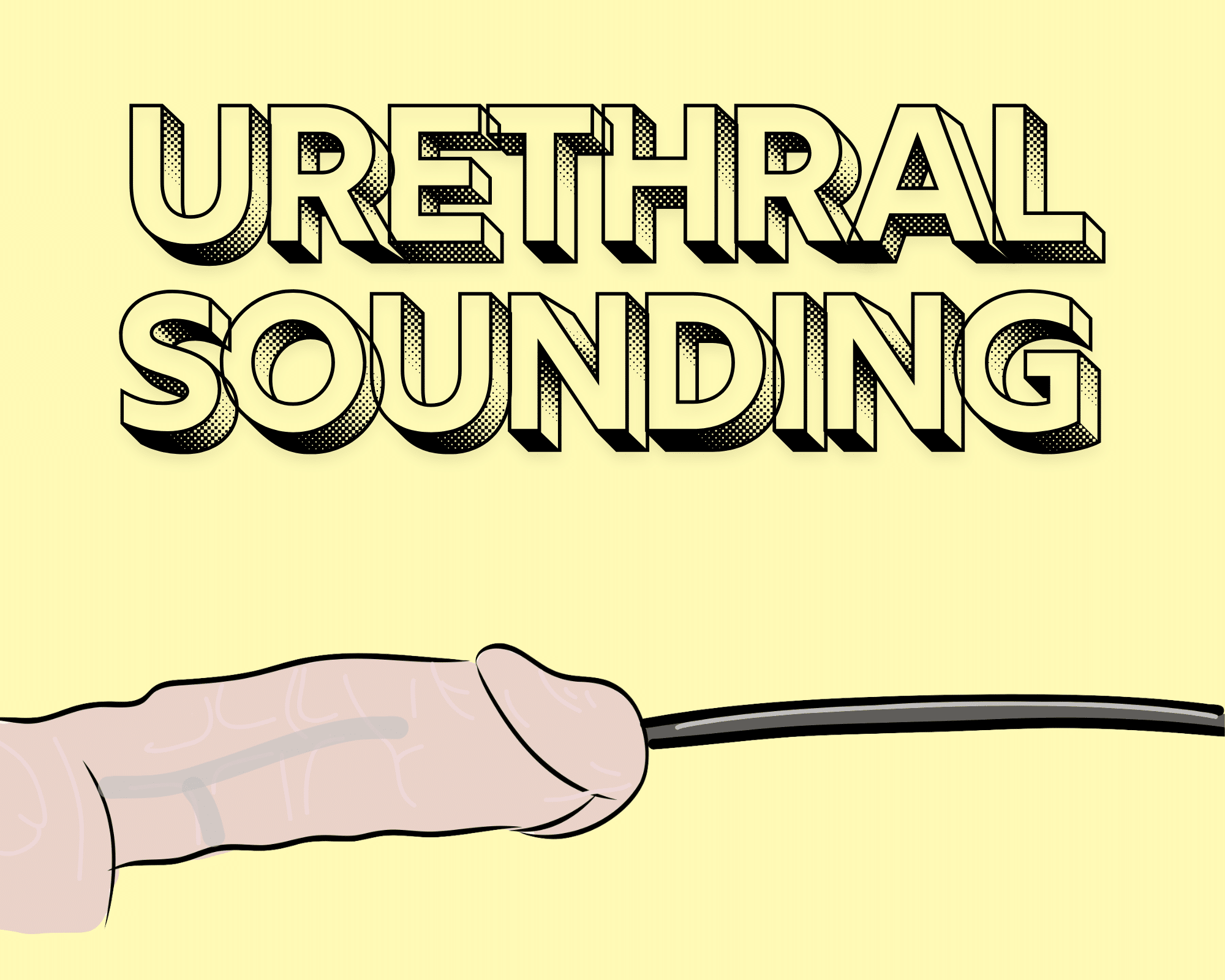
Urethral Sounding: Inserting Objects for Urinary Stimulation
Urethral Sounding: A Guide to Safe Exploration and Pleasure
Medical Disclaimer: This article is for educational purposes only and is not a substitute for professional medical advice. Urethral sounding carries inherent risks. Always consult with a healthcare provider before engaging in new sexual practices, especially if you have underlying urological or health conditions.
Have you heard the term “urethral sounding” and felt a mix of curiosity and caution? You’re not alone. This practice, which involves the gentle insertion of specialized objects into the urethra for stimulation, is a source of intrigue for many people and couples looking to explore new forms of intimacy.
When approached with the right knowledge, tools, and respect for safety, urethral play can unlock unique and intense sensations. This guide is designed to be your most trusted resource, balancing a sex-positive, non-judgmental perspective with an unwavering commitment to your safety and well-being, backed by credible medical information.
Understanding the Pleasure: Why People Try Urethral Sounding
Before discussing the “how,” it’s important to understand the “why.” Urethral sounding isn’t a modern fetish; it has roots in ancient medical practices. Today, people explore it for several reasons:
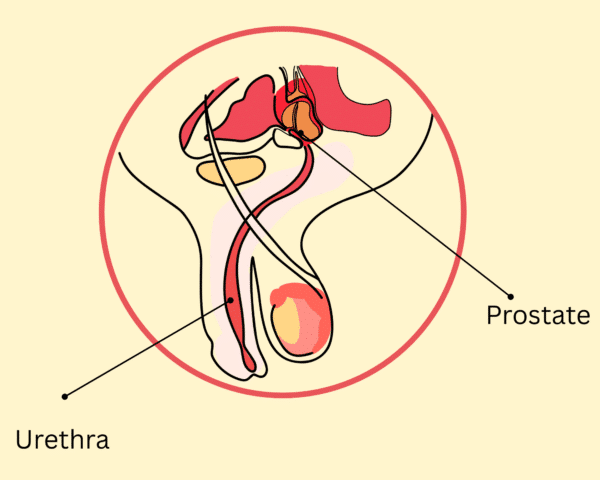
- Unique Nerve Stimulation: The urethra is lined with sensitive nerve endings. For people with penises, it passes directly by the prostate; for people with vulvas, it’s nestled near the clitoral network. Gentle stimulation can create feelings of fullness, deep pleasure, and even lead to powerful orgasms.
- Sensation Exploration: Many are drawn to the unique type of sensation—a deep, internal pressure and warmth—that is difficult to achieve through other means.
- Intimacy and Trust: For couples, the practice requires immense communication and trust, which can profoundly deepen a intimate connection.
A common myth is that the urethra is purely a passage for urine and has no pleasure potential. In fact, the urethral sphincter and surrounding tissue are rich in nerve endings, which is precisely why gentle, careful stimulation can be intensely pleasurable for some individuals. The Cleveland Clinic’s overview of the urinary system confirms the urethra’s role beyond urination, including its sensitive nature.
A Foundation of Safety: Core Risks and How to Mitigate Them
Safety isn’t just the first step; it’s every step. Urethral sounding carries real risks, but they can be dramatically reduced with proper practice. A review in the Journal of Clinical and Diagnostic Research found that the majority of urological injuries from foreign objects are due to improvised items, not purpose-built, medical-grade toys, underscoring the critical importance of using proper equipment.
→ The Absolute Rules for Safe Urethral Play:
- Never Use Household Objects: Pens, wires, chopsticks, or anything not designed for the body can cause tears, introduce bacteria, or get stuck.
- Sterilization is Non-Negotiable: Any bacteria introduced can lead to a serious urinary tract infection (UTI).
- Lubrication is Your Best Friend: Without it, you risk friction, tearing, and urethral strictures (scarring).
- Listen to Your Body: Pain is a “stop” signal. Never push through pain or force an object.
Our safety checklist below provides a quick, scannable reference to keep your practice safe.
Because urethral sounding involves intimate contact with mucous membranes and sometimes shared equipment, it increases exposure to sexually transmitted infections (STIs). For a detailed look at how STIs can be transmitted through sex toys and ways to reduce this risk, see this comprehensive guide on sex toy safety and STIs
| Safe Practice ✅ | Risky Behavior ❌ |
|---|---|
| Use medical-grade steel or silicone sounds | Use household objects (pens, wires) |
| Boil tools for 10+ minutes before use | Just rinse with water or use soap |
| Use sterile, water-based lubricant | Use spit, Vaseline, or numbing agents |
| Start small and progress slowly over weeks | Force a larger size because you’re curious |
| Stop immediately at any sharp pain | “Push through the pain” |
Anatomy and Physiology: A User’s Guide
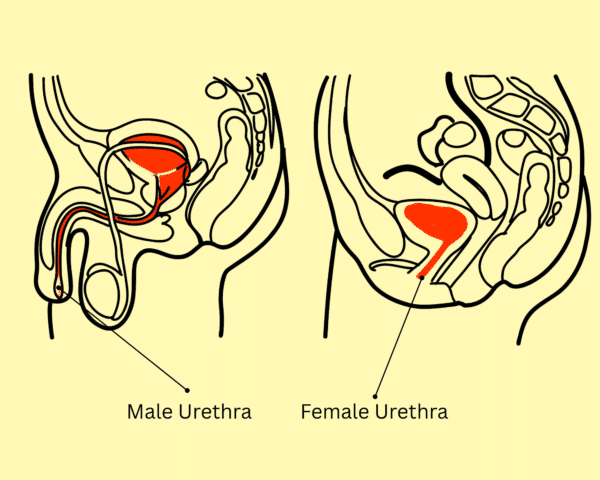
Understanding the landscape is key to safe navigation. The urethra is the tube that carries urine from the bladder out of the body. Its structure differs significantly between genders.
- Male Urethra: Approximately 8 inches long, it curves through the prostate and penis. This length and curvature mean longer tools are needed and insertion requires careful navigation.
- Female Urethra: Much shorter at 1.5-2 inches long, it is relatively straight. The urethral opening is located between the clitoris and the vaginal opening.
For detailed anatomical charts, reputable medical sources like the National Institutes of Health’s MedlinePlus provide reliable information on pelvic and urinary anatomy.
Your Toolkit: Choosing and Preparing the Right Equipment
The right tools make all the difference between a safe experience and a trip to the emergency room.
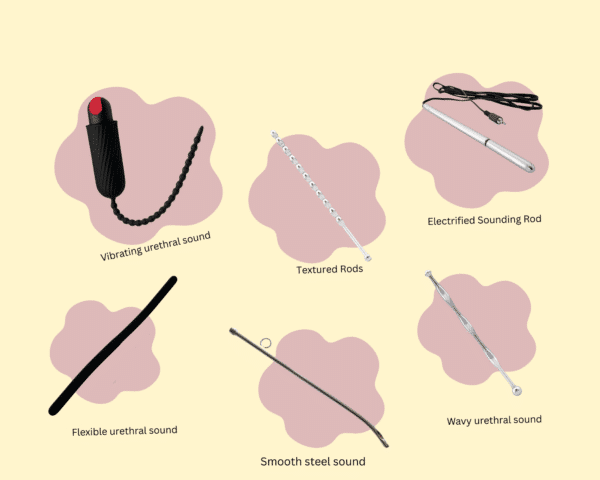
→ Types of Sounds:
- Medical-Grade Stainless Steel: The gold standard. Hegar sounds (double-ended, slightly curved) are ideal for beginners due to their smooth, tapered design. Look for instruments that comply with ASTM F899, the standard specification for stainless steel bar and wire for surgical implants.
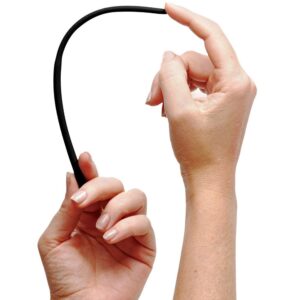
- Medical-Grade Silicone: Flexible and often more comfortable, but can be slightly more difficult to keep perfectly sterile. Ensure it is 100% platinum-cure silicone.
- What to Avoid: Glass (unless it’s body-safe borosilicate), any toy with seams or rough edges, and anything not explicitly designed for urethral play.
→ The Sterilization Process:
Clean: Wash sounds with hot water and antibacterial soap immediately after use.
Sterilize: Before each use, boil them in a pot of water for at least 10-15 minutes. This thermal disinfection process is effective against most pathogens.
Store: Place sterilized, dry sounds in a clean, sealed container.
→ Lubrication:
Use a generous amount of sterile, water-based surgical lubricant. The CDC explicitly recommends water-based lubricants for any urethral instrumentation to avoid complicating the use of latex barriers and to prevent tissue irritation. Avoid silicone-based lubes with silicone toys, and never use oil-based products or numbing agents, which can mask pain and lead to injury.
The Step-by-Step Technique for Safe Sounding
Follow this guide meticulously, especially if you are a beginner.
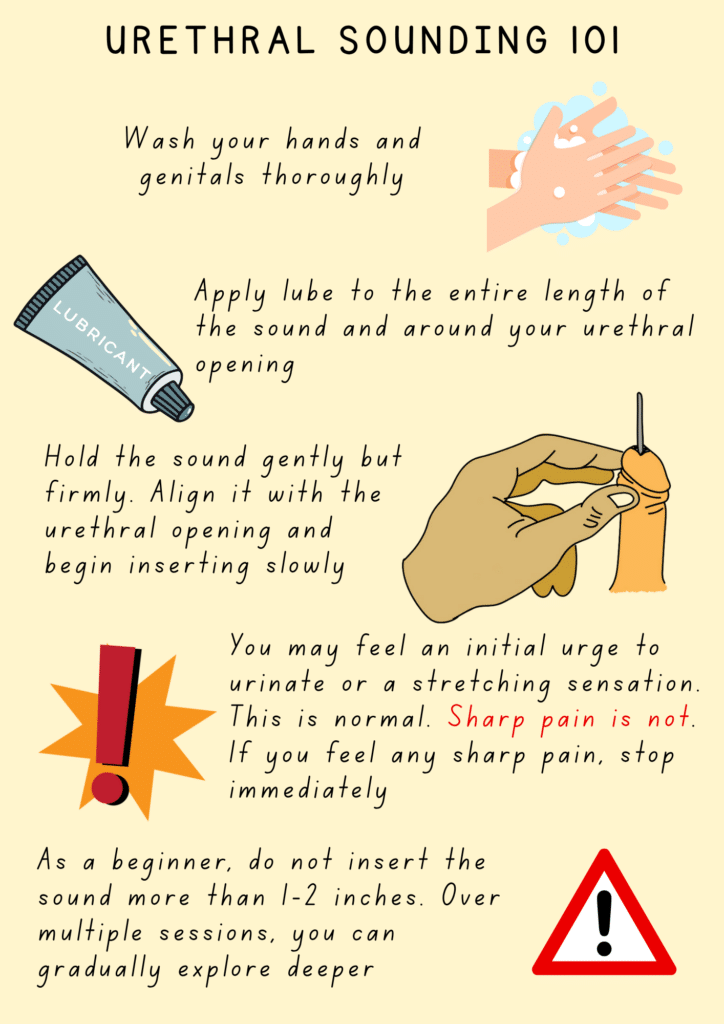
Preparation: Wash your hands and genitals thoroughly. Create a calm, private environment. Have your sterilized sounds, ample lubricant, and a clean towel within reach.
Lubricate Generously: Apply lube to the entire length of the sound and around your urethral opening.
The Insertion: Hold the sound gently but firmly. Align it with the urethral opening and begin inserting slowly. Do not force it. Let the weight of the sound and gentle pressure guide it.
Navigate Sensations: You may feel an initial urge to urinate or a stretching sensation. This is normal. Sharp pain is not. If you feel any sharp pain, stop immediately.
Depth and Progression: As a beginner, do not insert the sound more than 1-2 inches. Over multiple sessions, you can gradually explore deeper. For people with penises, you will eventually feel the sensation of the sound passing through the prostate—a distinct, often pleasurable feeling.
Removal: Remove the sound as slowly and gently as you inserted it.
Sounding with a Partner: Communication and Consent
For couples, this practice can be a profound way to build intimacy, but it requires exceptional communication.
- Initiating the Conversation: Choose a relaxed, non-sexual moment. Use “I” statements, like “I’ve been curious about exploring different types of sensation together, and I read about something called urethral sounding. Would you be open to learning about it with me?”
- Establish Boundaries: Discuss hard and soft limits beforehand. Agree on a safe word that immediately stops all activity.
- During Play: The person receiving the stimulation should always control the pace and depth. The partner’s role is one of attentive support, following instructions precisely and providing constant reassurance.
Recommended Urethral Sound:
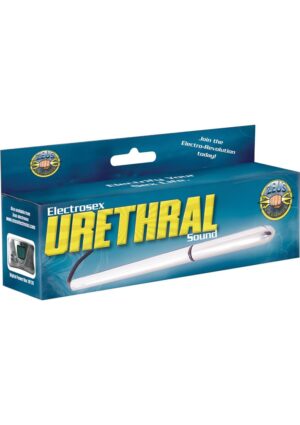
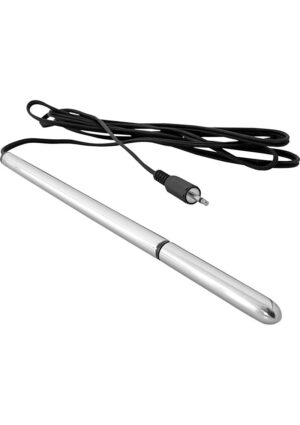

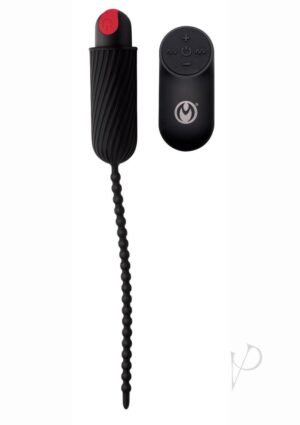
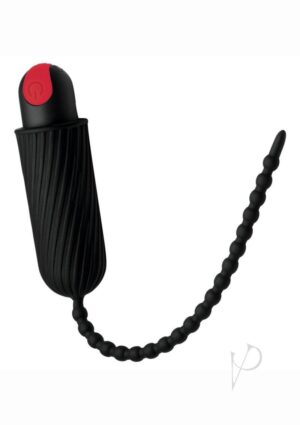
Ms 28x Dark Chain Black/red Vibrating Urethral Sounds
Regular: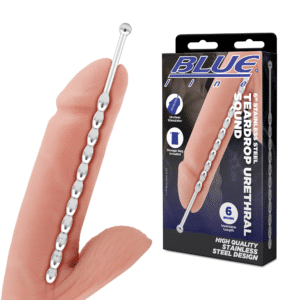
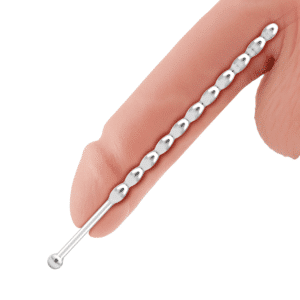
Blue Line 6-inch Length Stainless Steel Teardrop Male Penis Plug Urethral Sound
Regular:Aftercare and Recovery: The Essential Final Step
What you do after a sounding session is crucial for preventing complications and ensuring long-term health.
- ✅ Hydrate: Drink plenty of water to help flush any bacteria from your urinary tract.
- ✅ Urinate: Urinate soon after your session. This may burn slightly, but it is a critical step to cleanse the urethra. The Urology Care Foundation, the official foundation of the American Urological Association, advises that staying hydrated and urinating frequently can help maintain urinary tract health.
- ✅ Monitor: It’s normal to feel a mild, warm sensation for a few hours. Watch for warning signs like persistent burning, blood in your urine, or difficulty urinating. If these occur, seek medical attention.
- ✅ Clean Your Gear: Clean and sterilize your sounds as described above before storing them.
- ✅ Rest: Give your urethra time to recover. Wait several days between sessions.
When to Seek Medical Help
Do not let embarrassment prevent you from getting care. Urologists have seen it all. Seek immediate medical attention if you experience:
- ❌ Inability to urinate.
- ❌An object that becomes stuck and cannot be removed.
- ❌Heavy bleeding or severe, sharp pain.
- ❌Fever, chills, or foul-smelling discharge (signs of infection).
Be honest with the healthcare providers about what happened. This information is essential for them to provide you with the correct, fastest treatment.
Frequently Asked Questions
A: Yes, it significantly can. As explained by the U.S. Department of Health & Human Services, bacteria can be introduced into the urethra and travel to the bladder, causing an infection. This is why sterilization and hygiene are non-negotiable. Always urinate after a session to flush out bacteria.
A: Start with the smallest sound in a set, typically around 4-6mm in diameter. There should be a feeling of gentle stretching, not pain.
A: No. Any bleeding, even a tiny spot, indicates that you’ve caused a tear or abrasion. Stop your session, and do not try again until you have healed completely and the bleeding has stopped for several days.A: No. Any bleeding, even a tiny spot, indicates that you’ve caused a tear or abrasion. Stop your session, and do not try again until you have healed completely and the bleeding has stopped for several days.
Urethral sounding is the practice of inserting thin, specially designed objects called sounds into the urethra for sexual sensation or medical purposes. It stimulates nerve-rich areas in and around the urethra to create unique sensations.
Common urethral sounds include stainless steel rods (such as Hegar or Van Buren styles), medical-grade silicone insertables, and specialized plugs or catheters designed for urethral play. Household objects must never be used due to safety risks.
Boiling metal sounds in water for 10–15 minutes is the most effective sterilization method. Alternatively, soaking in Betadine or using UV sterilizer chambers helps. Avoid using only soap or rubbing alcohol as they may not eliminate all pathogens.
Use sterile, water-based lubricants made for medical or surgical use, such as K-Y Jelly. Avoid oil-based, silicone-based lubricants, numbing agents, or saliva, as these can increase infection risk or damage equipment.
Begin with small diameter sounds (6-8mm), use plenty of sterile lubricant, and proceed very slowly. Insert only 2-3 inches initially, respecting your body’s resistance and stopping immediately if you feel sharp pain or discomfort.
Risks include urinary tract infections (UTIs), urethral tears, strictures (scar tissue narrowing), foreign objects becoming stuck, and increased exposure to sexually transmitted infections. Proper hygiene, sterilization, and technique minimize these risks.
Stop if you experience sharp or burning pain, blood in urine, difficulty urinating, swelling, unusual discharge, or if the sound becomes stuck. These can indicate injury or infection requiring medical attention.
Frequent or improper sounding can lead to scar tissue, urethral strictures, nerve damage, or chronic pain. Long-term risks are minimized by practicing safely, using proper equipment, and allowing sufficient healing time between sessions.
Yes. The anatomy differs, with males having a longer, curved urethra and females a shorter, straighter one. Use gender-appropriate sounds and techniques to accommodate these differences.
Allow several days to weeks for the urethra to heal fully before the next session. If you experience ongoing soreness, pain, or irritation, increase rest time and consider consulting a healthcare professional.
No. Sharing sounds increases the risk of infections and cross-contamination. Always use personal, sterilized equipment and discuss boundaries and safety openly with partners.
Clean the genital area gently with warm water (no harsh soaps), drink plenty of fluids to help flush out bacteria, and avoid further urethral stimulation until fully healed.
Do not panic or attempt aggressive removal. Apply more lubricant gently if possible and seek emergency medical care promptly to prevent further injury.
Yes, especially if there are cuts or tears in the urethra or if equipment is shared. Use barrier protection, avoid shared tools, and get regular STI testing if urethral play is part of your activities.
Pleasurable sensations include mild pressure, fullness, and gradual comfort. Warning signs include sudden sharp pain, burning that worsens, bleeding, or intense discomfort. Trust your body and stop if anything feels wrong.
Have open, honest conversations about experience levels, safety protocols, boundaries, and consent. Agree on safe words or signals to stop immediately if needed.
Have open, honest conversations about experience levels, safety protocols, boundaries, and consent. Agree on safe words or signals to stop immediately if needed.
Have open, honest conversations about experience levels, safety protocols, boundaries, and consent. Agree on safe words or signals to stop immediately if needed.
Exploring your body and your pleasure is a natural and healthy part of life. By prioritizing knowledge, safety, and consent, you can ensure that your explorations are both rewarding and secure.











Add comment
You must be logged in to post a comment.