
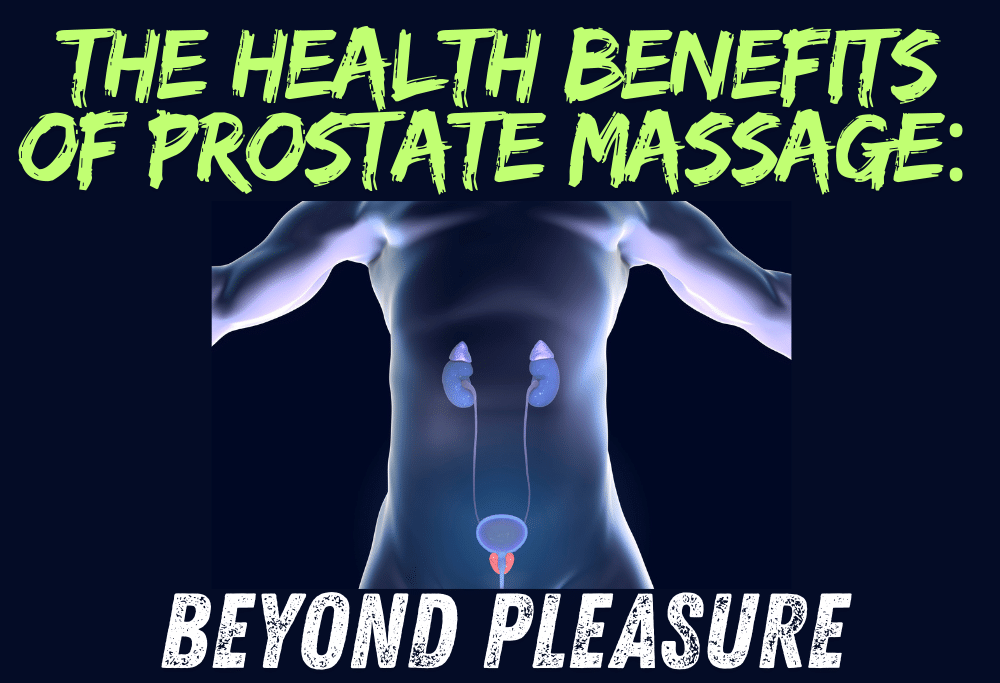
Prostate Massage Benefits: Science-Backed Health & Pleasure Perks
If you think prostate massage is just about pleasure, think again. While it is a powerful tool for sexual wellness, research and traditional medicine point to a number of potential health benefits that can make a real difference in your daily life. This guide will walk you through the science-backed health perks, a safe-and-smart approach to getting started, and the essential safety precautions you need to know.
What is Prostate Massage? A Quick Guide
Prostate massage is the gentle stimulation of the walnut-sized prostate gland, an erogenous zone packed with nerves. This practice has roots in both traditional medicine and modern urology, where it has been used to promote prostate drainage and relieve symptoms of various conditions.
The stimulation can be done in two primary ways:
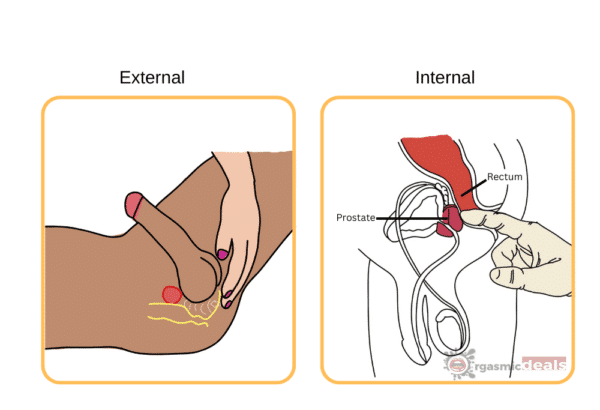
Externally: Applying pressure to the perineum (the area between the scrotum and anus).
Internally: Directly stimulating the gland through the rectum, which is often considered more effective due to its direct access.
Prostate massage is often distinguished from “prostate milking,” which is a term typically used to describe the practice when done for sexual pleasure and to release seminal fluid.
Key Takeaways
When considering prostate massage, remember these three core points:
- Potential Benefits: It may help relieve symptoms of prostatitis and improve urinary flow by draining the prostate. For many, it also leads to stronger, more intense orgasms.
- Not a Modern Medical Cure: The medical community has largely abandoned prostate massage as a primary treatment due to a lack of conclusive evidence. It does not prevent prostate cancer and is not a substitute for a doctor’s care, especially if you have an active infection or serious health concerns.
- Safety First: Always use plenty of lubrication, be gentle, and stop if you feel pain or suspect an infection.
What Is Prostate Massage? (And How It Works)
Before you dive in, it’s important to understand what this practice involves. Prostate massage is the gentle stimulation of your prostate gland. This can be done externally by applying pressure to your perineum (the area between the scrotum and anus) or internally through the rectum, which allows for more direct and often more effective stimulation.
This isn’t a new-age fad; it has roots in both traditional medicine and modern urology, where it has been used for everything from pleasure to promoting prostate drainage.
The Science-Backed Health Benefits
While the pleasure is a huge plus, the potential prostate health benefits are what truly set this practice apart. Here’s what the science and medical community have to say.
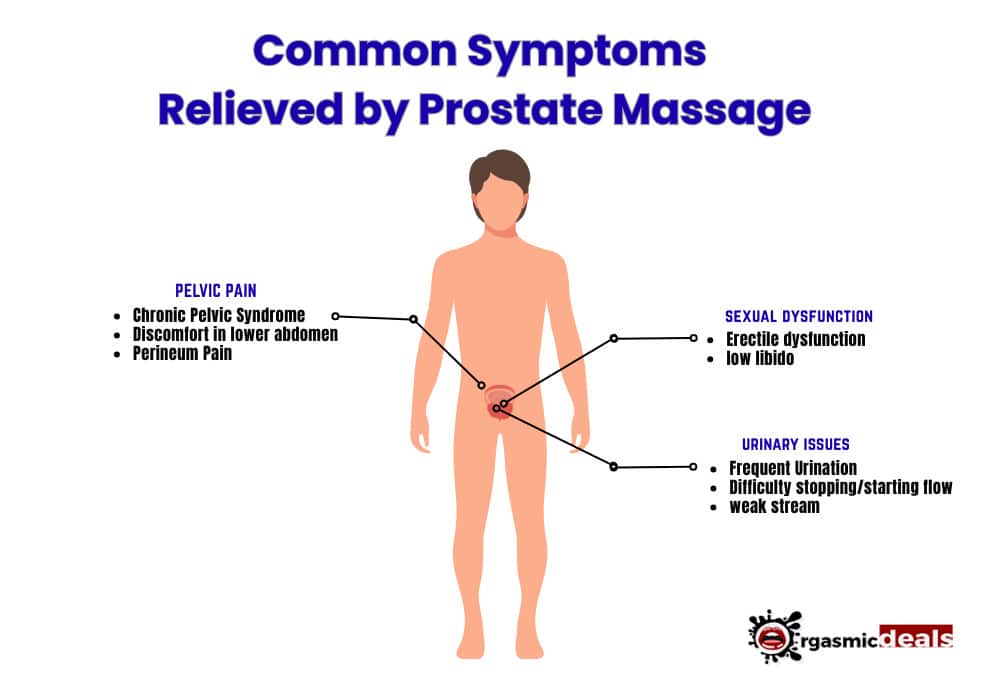
1. Relief for Prostatitis & Chronic Pelvic Pain
If you’ve ever dealt with prostatitis (a swollen, inflamed prostate), you know it can cause significant pain and urinary issues. The theory is that massage helps by improving blood flow and draining stagnant fluids that contribute to inflammation.
While not a primary treatment prescribed by most doctors today, you may find it brings significant comfort for chronic conditions, especially when used alongside traditional medical care. A 2018 study published in the Journal of Urology found that prostate massage, when used in conjunction with other therapies, led to a significant reduction in pain for up to 72% of men with chronic pelvic pain syndrome.
However, it’s important to note that many urologists now believe that the relief experienced may be due to the massage of the surrounding pelvic floor muscles, not the prostate itself. Pelvic floor dysfunction is now recognized as a major cause of chronic pelvic pain, and pelvic floor physical therapy is often the more effective, modern treatment.
"Massage helps drain blocked fluids, reducing inflammation."
— Dr. Michael Werner, Cornell Urology
2. Improved Urinary Flow & Reduced UTI Symptoms
If you feel like you’re making constant trips to the bathroom, an enlarged prostate (BPH) could be the culprit. Because your prostate surrounds your urethra, its swelling can obstruct flow. A gentle massage may help you by:
Temporarily reducing swelling to ease your urinary flow.
Helping you fully empty your bladder, which can decrease nighttime bathroom trips.
Potentially lowering your risk of UTIs by flushing out stagnant urine and bacteria.
(Psst… If UTIs are a recurring issue for you, our guide on Prostate Massage for UTI Prevention has more specific tips.)
3. Enhanced Sexual Function & Ejaculation
This is where you might notice a real difference in your sexual life. A healthier, stimulated prostate can lead to:
Stronger, more intense orgasms. Your prostate is an erogenous zone packed with nerves. For you, more stimulation can mean more pleasure.
Reduced pain during ejaculation. If you experience this, it may be due to blockages. By promoting prostate drainage, massage can help relieve the source of the pain.
Improved erectile function. Better blood flow to your entire pelvic region is great for your erections.
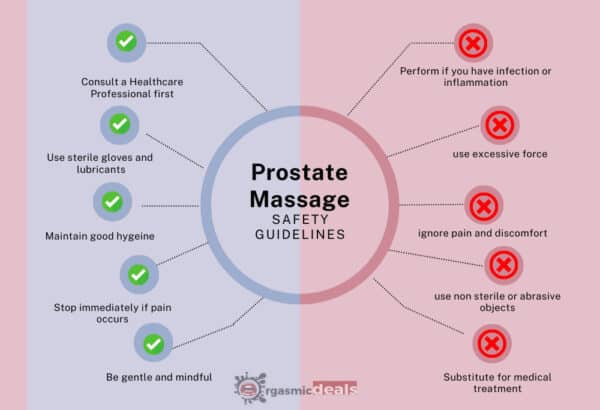
The Essential Safety Checklist: Do’s and Don’ts
Your safety should always be the top priority. This is the most important part of your journey.
Do’s
Consult a Healthcare Professional First: Especially if you have existing health concerns.
Use Ample Lubrication: Your rectum doesn’t self-lubricate. Use a generous amount of quality, water-based lube to prevent tearing and ensure comfort.
Be Gentle and Mindful: The tissue is delicate. You should start slow and use gentle pressure.
Maintain Good Hygiene: Always use sterile, body-safe tools and clean them thoroughly before and after use.
Don’ts
Perform with an Active Infection:If you have a fever, severe pain, or suspect an active infection (like acute bacterial prostatitis), do not perform a prostate massage. This is a critical safety rule, as it can spread the infection.
Use Excessive Force: Pain is your body’s signal to stop or ease up. Never push through it.
Use Non-Sterile or Abrasive Objects: Only use tools designed for this purpose.
Substitute for Medical Treatment: Prostate massage is not a cure and is not a replacement for a doctor’s care.
- Perform if you have hemorrhoids, an anal fissure, or a rectal abscess.
- Get a PSA test immediately after a prostate massage, as it can temporarily and significantly increase your PSA levels, leading to a false positive for prostate cancer.
Prostate Massage Tools: Choosing the Right Tool
Choosing the right tool is a crucial part of the process. While many tools exist, they generally fall into a few categories:
J-Hook Massagers: Designed with a curve to specifically target the prostate.
Vibrating Tools: Can provide a more intense sensation and aid in stimulation.
Butt Plug Style Massagers: Provide continuous, passive pressure on the prostate.
Product Recommendation:
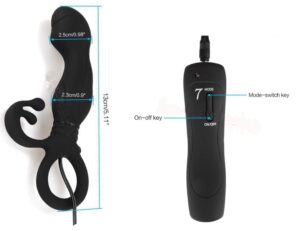
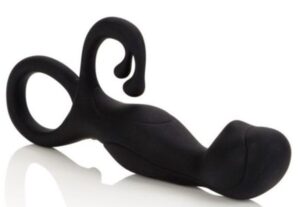
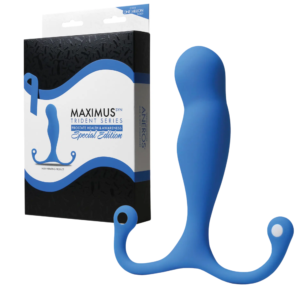

Maximus Syn Prostate Massager P-Spot Stimulator Trident Special Edition
Regular:
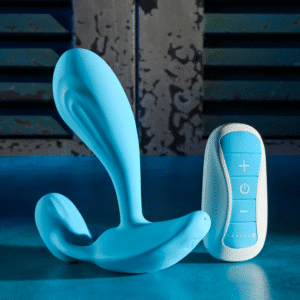
Wear Me Out Rechargeable Vibrating Prostate Massager Multi-Speed Remote Control Sex Vibrator
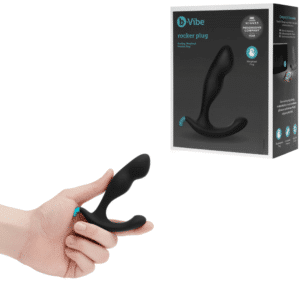
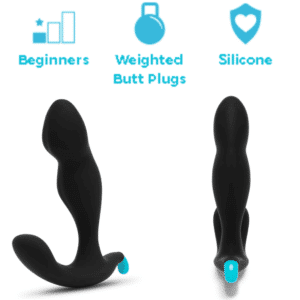
B-Vibe Silicone P-spot Tappered Tip Weighted Butt Plug Prostate Massager Black
⚠️ Prostate Massage Risks & When to Avoid It
While rare, possible side effects include:
Infection (if tools aren’t sterilized)
Rectal irritation (from excessive pressure)
Blood in semen (seek medical help if persistent)”
STOP immediately if you experience:
Sharp pain
Fever/chills (sign of infection)
Bleeding”
FAQs
Yes, prostate massage can help increase blood flow to the prostate and surrounding pelvic area. This improved circulation can aid in reducing inflammation and promoting the drainage of fluids, which is beneficial for prostate health.
In addition to prostate massage, you can increase blood flow to your prostate through regular exercise, maintaining a healthy diet, and managing stress. These lifestyle factors are crucial for overall circulatory health and positively impact the prostate.
While there is no strong scientific evidence that prostate massage directly cures erectile dysfunction (ED), some people report improvements. The benefits are often considered indirect, as improved circulation and prostate health can have a positive effect on sexual function and pleasure.
When performed correctly, side effects are rare. However, improper or vigorous massage can cause pain, discomfort, or rectal bleeding. It is critical to avoid prostate massage if you have a fever, severe pain, or an active infection like acute bacterial prostatitis, as this can spread the infection.
For therapeutic purposes, some historical practices suggested 2-3 times a week, but there is no set rule. For pleasure, you can massage your prostate as often as you like, as long as it feels good and you are not experiencing any pain or discomfort. Always listen to your body.
Yes, it is safe to use prostate massage tools and sex toys, but you should only use devices made from body-safe materials like silicone. Always use plenty of lubricant and ensure the tools are clean before and after use to maintain hygiene and prevent injury.
A urologist-performed prostate massage is typically a brief, diagnostic or therapeutic procedure to express prostate fluid for analysis or to relieve symptoms. Self-massage or partner massage is usually done for relaxation, pleasure, or general wellness. While the technique is similar, the purpose and context are different.
While prostate massage itself isn’t a cure for UTIs, improving prostate drainage may help you fully empty your bladder. This can reduce the amount of stagnant urine, which is a factor in UTI development. However, if you have a UTI, you must see a doctor for proper medical treatment.”
Yes, for some individuals, prostate massage can help reduce pain during ejaculation. This is often attributed to the massage helping to clear blockages or stagnant fluid in the prostatic ducts, which can be a source of discomfort.
Prostate massage is a technique specific to individuals with a prostate gland, which is part of the male reproductive system. While some people may use the term more generally, the practice itself is for individuals assigned male at birth. However, other forms of internal stimulation and G-spot massage exist for people with vaginas and can lead to equally powerful sensations and orgasms.
For pleasure, there is no fixed time—it’s all about what feels good to you and your partner. Therapeutic prostate massages, as performed by a professional, have historically lasted just a few minutes. Whether for health or pleasure, the key is to prioritize the quality of the sensation and your comfort over a specific duration. Listen to your body, not the clock.
Absolutely! Frame it as a fantastic way to explore new sensations, deepen intimacy, and enhance orgasms. It’s not just for problems; it’s a legitimate pathway to greater sexual pleasure and connection, even if your prostate is perfectly healthy.
No evidence. Always consult a doctor about PSA concerns
Final Thoughts: Should You Try It?
Prostate massage isn’t just for pleasure—it’s a potential tool you can use for better prostate health and a deeper connection with your body. Whether you’re managing chronic, non-infectious symptoms, dealing with prostatitis, or just curious about next-level orgasms, giving your prostate the attention it deserves could be a game-changer for you. Just remember to consult a healthcare professional, practice good hygiene, and prioritize your safety above all else.
So, are you ready to get started? 😉
Want to master prostate massage? 🚀 Explore our Ultimate Guide to Prostate Massagers—covers techniques, top tools, and expert safety tips you won’t find elsewhere
Disclaimer: This article is for informational purposes only and is not a substitute for professional medical advice. Always consult with a healthcare professional before starting any new health routine, especially if you have a known prostate condition. This blog post does not endorse prostate massage as a cure or treatment for any medical condition.
Discover everything you need to know about prostate massage, from its potential health benefits to proper techniques Read more about The Complete Medical Guide to Prostate Massage: Benefits, Risks & Safe Practices
About the Author: Mia C is a passionate health and wellness writer with a focus on men’s health. They combine evidence-based research with practical, user-friendly advice to help individuals take control of their well-being.










Add comment
You must be logged in to post a comment.