

Unlock the Secrets of Prostate Massage: A Guide to Safe & Blissful Exploration
While prostate massage is often praised for its potential to unlock new levels of pleasure, it’s essential to approach it with a safety-first mindset. This guide cuts through the noise with a medically-vetted, safety-first approach. We’ll cover hygiene, crucial red flags, and contraindications to ensure every touch is both sensational and safe.
The first step in any safe exploration is understanding what to avoid. Let’s start with the most critical part of this guide.
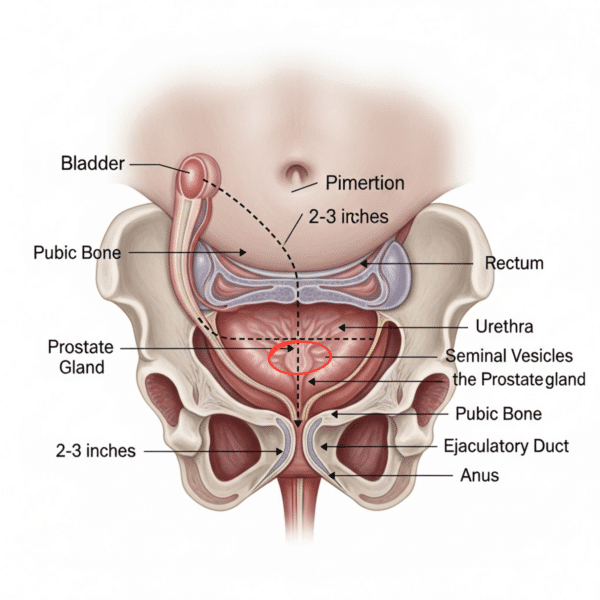
Crucial Medical Disclaimers: A Word of Caution
Before we dive into the world of pleasure, let’s focus on the most important thing: your health. Think of this section as your essential safety briefing.
- This Guide Is for Information, Not Diagnosis: This article is here to educate and inform, not to provide medical advice. We are your knowledgeable friends, but your doctor is the qualified expert. Always consult a healthcare provider for any questions about your personal health or before starting any new practice.
- Your Doctor MUST Be in the Loop: We cannot say this enough: your first and most important step is to talk with your doctor. A quick conversation is essential to ensure this is a safe activity for you, especially if you have a history of prostate issues, hemorrhoids, or any pelvic pain.
- Understand the Medical Reality: While prostate massage has been explored in some small studies for certain conditions, it is not a mainstream medical treatment. It’s sometimes used by doctors to obtain a fluid sample for testing, but you should not use it to “cure” any health issue. This guide focuses on its use for pleasure, which should always be approached with safety and medical awareness at the forefront.
Safety First: Your Key Takeaways
- This is NOT medical advice. This article is for information only.
- TALK to a DOCTOR first. This is non-negotiable, especially if you have prior health conditions.
- This is NOT a medical cure. Think of it as exploration for pleasure, not a treatment plan.
"Prostatic massage should be avoided in patients suspected of having acute bacterial prostatitis. The digital rectal examination should be performed gently because vigorous prostatic massage can induce bacteremia, and subsequently, sepsis."
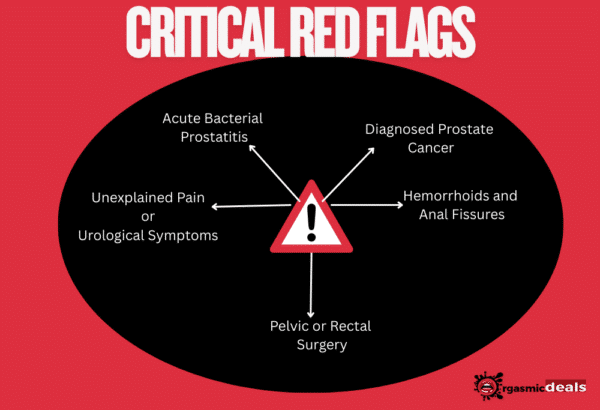
The 5 Critical Red Flags: When Prostate Massage is a Strict NO-GO
- Acute Bacterial Prostatitis: This isn’t just inflammation; it’s a serious bacterial infection. Massaging an infected prostate is extremely dangerous. It could force bacteria into your bloodstream, potentially causing bacteremia, a life-threatening, full-body infection also known as septicemia.
- Diagnosed Prostate Cancer: If you have been diagnosed with or are being tested for prostate cancer, you must avoid prostate massage. There is a theoretical risk that stimulating the area could disturb a tumor and encourage the spread of cancerous cells. Always follow the specific advice of your oncologist or urologist.
- Hemorrhoids and Anal Fissures: These conditions make the tissue in that area extremely sensitive and prone to injury. Prostate massage can cause significant pain, bleeding, and worsen the condition. Allow these conditions to fully heal before considering any form of anal stimulation.
- Recent Pelvic or Rectal Surgery: If you’ve recently had any surgery in the pelvic, rectal, or abdominal area, your body needs time to heal. The internal tissues are vulnerable to tearing, damage, and infection. Always follow your surgeon’s post-operative instructions.
- Unexplained Pain or Urological Symptoms: If you feel new, unexplained pain in your pelvic area, or if you’re having difficulty urinating, stop immediately and see a doctor. Do not attempt a prostate massage until you have a clear diagnosis from a healthcare professional.
The Foundation of Safety: Hygiene Protocols
Personal Prep: Getting Yourself Ready
- ✅ Wash Your Hands: This is a non-negotiable first step. You and your partner must wash your hands thoroughly with warm water and soap for at least 20 seconds.
- ✅ Check Your Nails: Long or sharp fingernails are a major hazard for sensitive internal tissues. To prevent any painful pokes or scratches, make sure your nails are trimmed short and filed smooth.
- ✅ Consider a Bathroom Trip: While not mandatory, using the bathroom to empty your bladder and bowels before you begin can help you relax without worrying about any messy surprises.
Choosing the Right Tools for a Safe Experience
Whether you’re using your fingers or a dedicated prostate massager, the right tool is essential for safety.
For maximum safety, choose non-porous materials like 100% medical-grade silicone, borosilicate glass, or stainless steel. These materials are non-porous and easy to clean, unlike porous materials such as jelly, vinyl, or PVC, which can harbor bacteria and are impossible to fully sterilize.
Recommended Prostate Massagers:
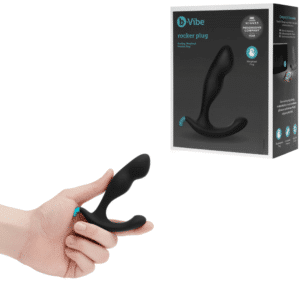
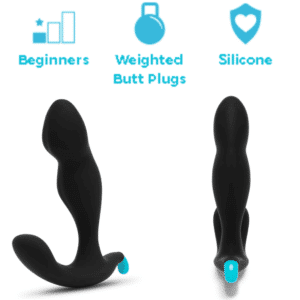
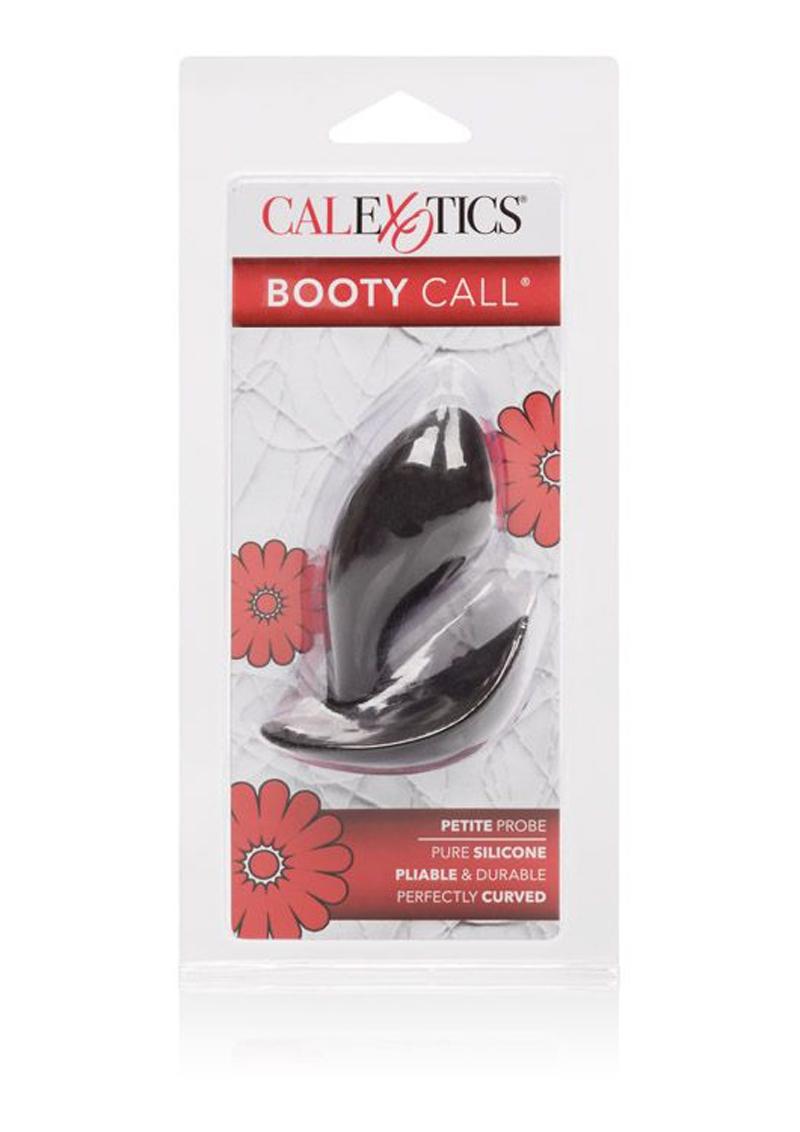
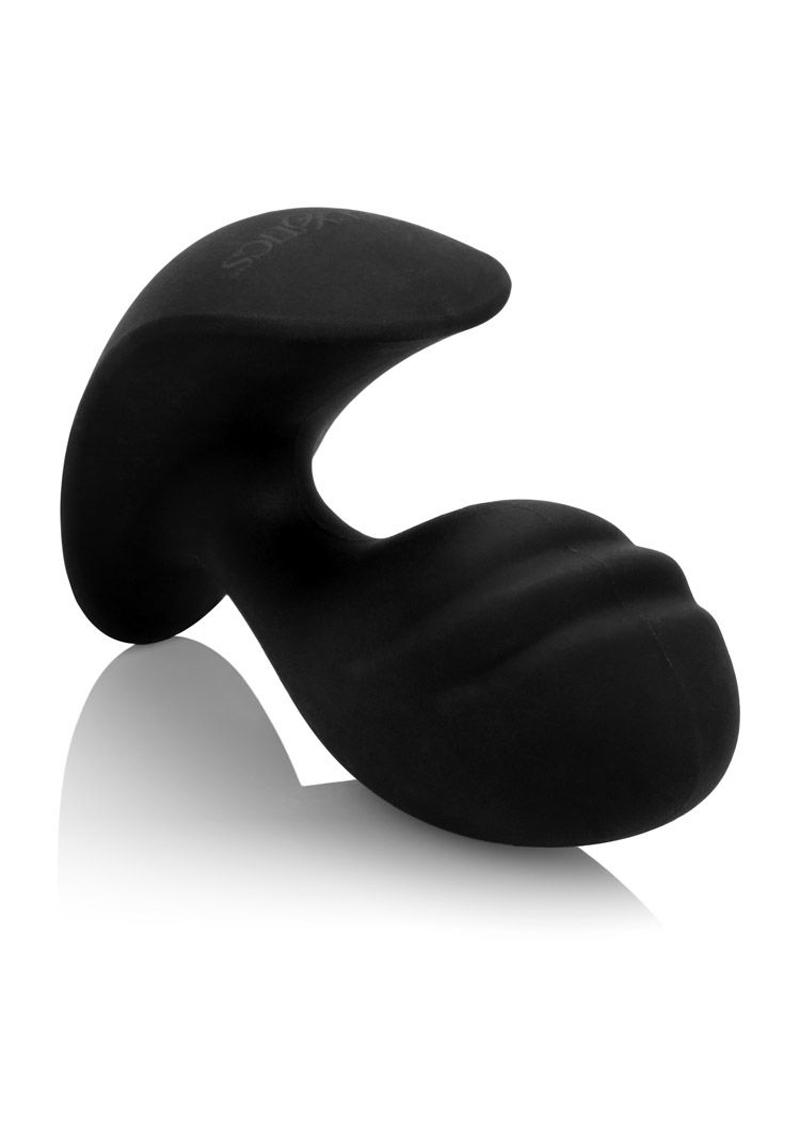
B-Vibe Silicone P-spot Tappered Tip Weighted Butt Plug Prostate Massager Black
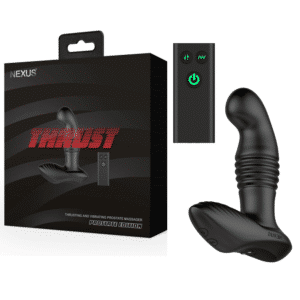
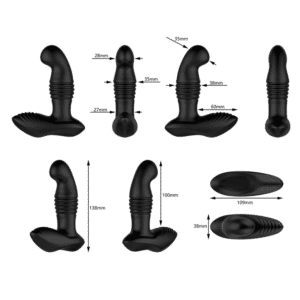
Nexus Remote Control Thrusting Vibrating Waterproof Prostate Massager
Regular: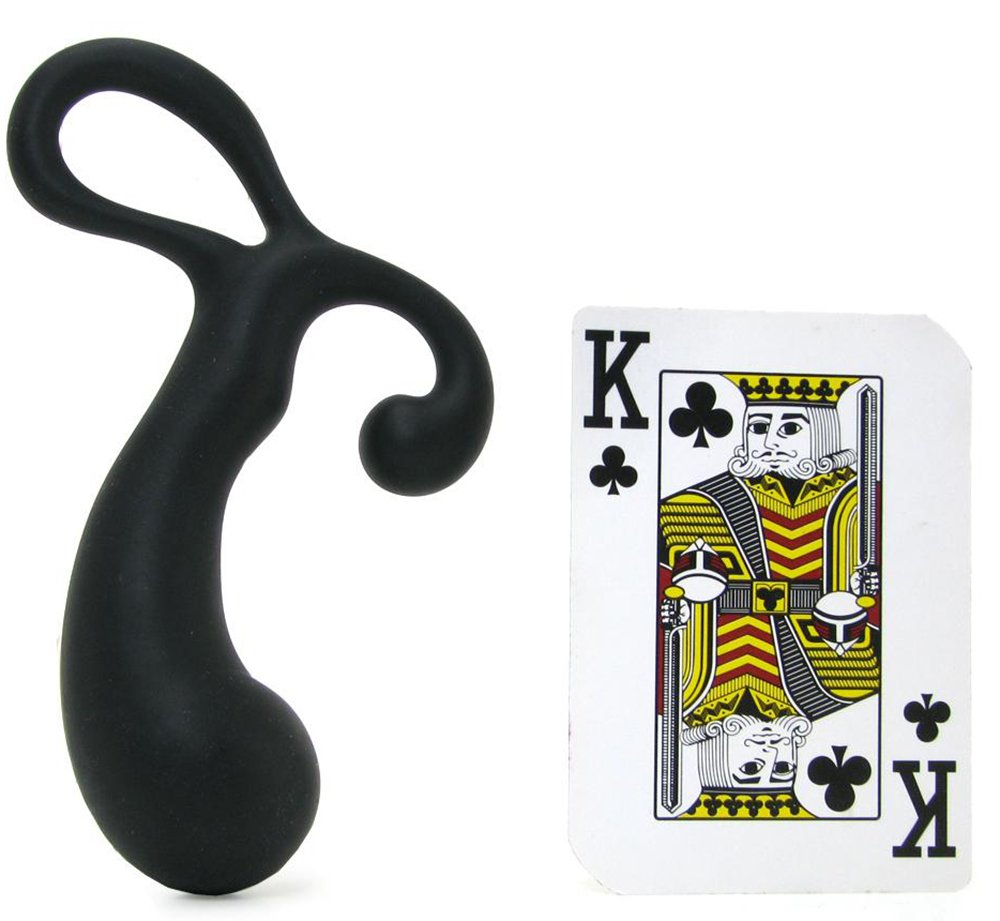
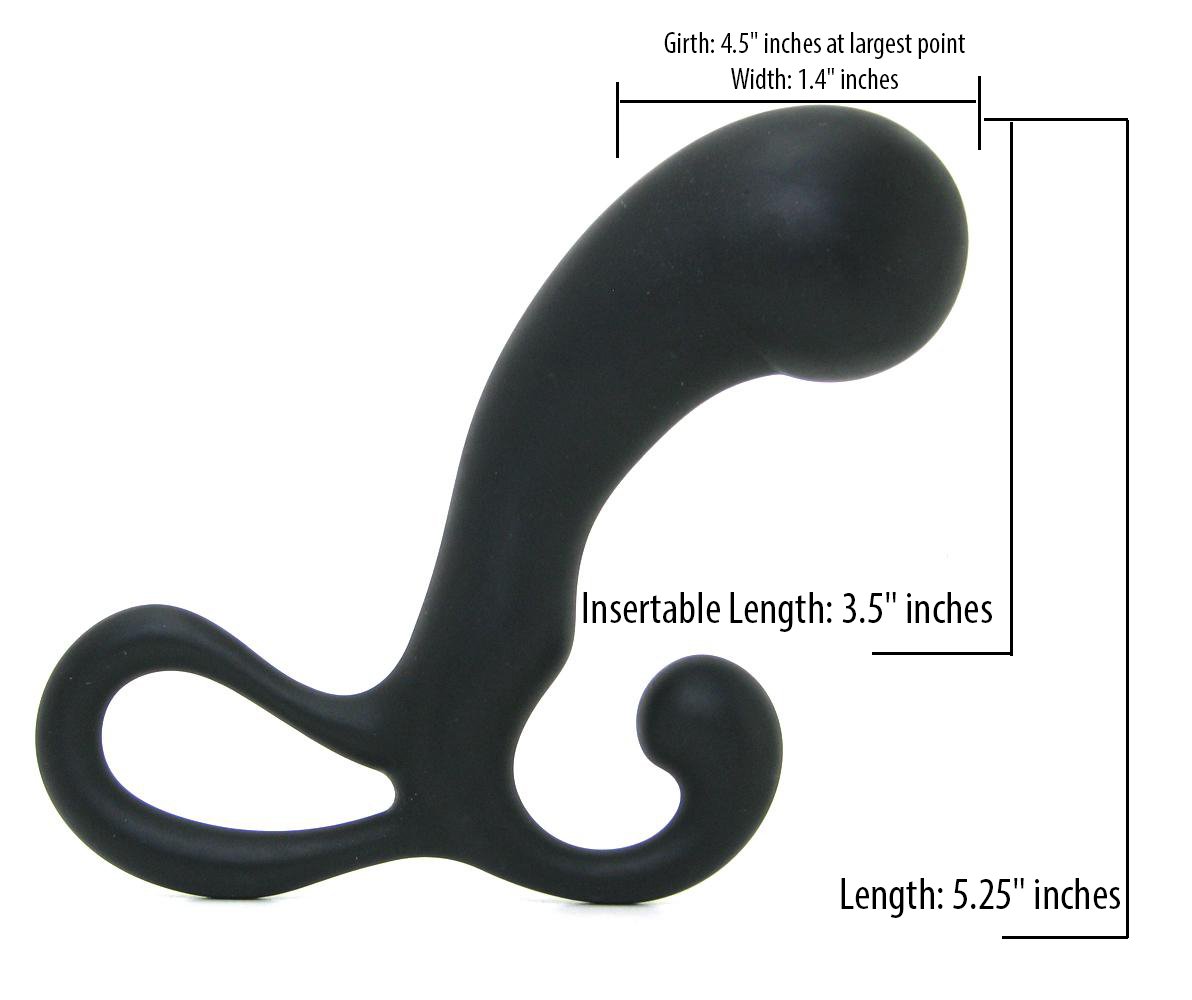
OptimaleSilicone Prostate Massager Doc Johnson
Proper Lubrication: Don’t Skimp! 💧
Using a generous amount of high-quality lubricant is non-negotiable. The anus doesn’t self-lubricate, so lube is essential to prevent tearing and make the experience comfortable. Use a water-based or silicone-based lubricant, and reapply as needed.
For maximum comfort and safety, explore our doctor-approved lubricants specifically formulated for prostate play See Top-Rated Lubricants
| TYPE | BEST FOR | AVOID WITH | TOP BRAND |
|---|---|---|---|
| WATER-BASED | Best for Beginners |
None | |
| SILICONE | Best for Advanced Users |
Avoid with Silicone toys |
|
| OIL-BASED | Not recommended | Avoid with Latex condoms |
Top Brand:
(Not listed) |


The Gentle Approach: Mastering Safe Prostate Stimulation
Prostate massage should be a source of pleasure and relaxation, not discomfort. The golden rule is to be gentle.
For a full, detailed guide on techniques and positions, please refer to our step-by-step guide on How To Use a Prostate Massager .Listening to Your Body: Pain is a Stop Sign
Prostate massage should never be painful. If you feel any sharp pain, a feeling of being bruised, or general discomfort, stop immediately.
- Normal Sensations: It’s common to feel the urge to urinate. This is a normal sensation caused by pressure on the bladder from stimulating the prostate.
- Communicating with a Partner: If a partner is performing the massage, open and honest communication is key. The person receiving the massage is always in control. Have a safe word to use if you want to stop or if something becomes uncomfortable
Beyond Discomfort: When to Seek Medical Attention Immediately
While prostate massage can be a safe practice, there are certain situations where a healthcare professional’s advice is crucial.
- Persistent Pain: Persistent pain during or after a massage is a sign to see a doctor.
- Bleeding: Any bleeding from the rectum, or blood in semen or urine, is a reason to seek immediate medical advice.
- Fever or Chills: These can be signs of a serious systemic infection.
Listening to Your Body: Pain is a Stop Sign 🛑
Prostate massage should be a source of pleasure and relaxation, not discomfort. It’s crucial to pay close attention to your body’s signals.
- Pain vs. Pleasure: Prostate massage should never be painful. If you feel any sharp pain, a feeling of being bruised, or general discomfort, stop immediately.
- Unusual Sensations: It’s common to feel the urge to urinate. This is normal and is caused by pressure on the bladder from stimulating the prostate. It’s not a cause for alarm.
- Communicating with a Partner: If a partner is performing the massage, open and honest communication is key. The person receiving the massage is always in control. Have a safe word to use if you want to stop or if something becomes uncomfortable.
Conclusion: The Bottom Line on Prostate Massage Safety ✅
By following a few simple guidelines, you can ensure your prostate massage experience is both safe and enjoyable.
Key Takeaways
Remember these essential points for a positive experience:
- Hygiene is paramount: Always start with clean hands and sanitized tools.
- Lubrication is non-negotiable: Use generous amounts of a high-quality, body-safe lubricant.
- Gentle is the golden rule: Use a slow, gentle technique and never force anything.
- Listen to your body: Pay attention to sensations and stop immediately if you feel pain.
Empowerment Through Knowledge
Prostate massage is a way to explore pleasure, health, and new sensations. By arming yourself with knowledge and prioritizing safety, you can approach this practice with confidence. The most important thing is to listen to your body, communicate with your partner, and empower yourself to have a safe, consensual, and enjoyable experience.
Ready to learn more?o Find out about the potential health benefits of prostate massage in our comprehensive guide.
Ready to get started? Learn the basics of how to use a prostate massager in our step-by-step guide.
FAQ: Prostate Massage Safety
There’s no single rule for recreational massage; listen to your body and avoid over-stimulation. For medical conditions, a doctor may recommend it a few times per week.
The prostate is rich in nerve endings, and stimulating it can lead to intense pleasure and powerful orgasms.
Yes, many people find vibrations can enhance the experience, but always use a body-safe vibrator with a flared base and plenty of lubricant.
You should avoid prostate massage if you have an acute prostate infection, suspected prostate cancer, or other pre-existing conditions. Always consult a doctor first.
Use clean hands and a body-safe, flared-base toy with a generous amount of lubricant. Insert a few inches and use a gentle, circular or “come-hither” motion.
The prostate is located a few inches inside the rectum, on the front wall, toward the belly button.
Yes, for many people, it is a healthy way to explore pleasure. However, it’s not a medically proven treatment for most conditions.
Yes, for many men, it’s highly pleasurable due to the concentration of nerves in the gland, and it can lead to unique orgasms.
While some people believe it helps with ED symptoms, it is not a medically proven treatment and is not a mainstream therapy for the condition.
It can be safe with proper technique and hygiene. Unsafe or vigorous massage can risk injury, infection, or other complications.
Prostate fluid is part of semen and comes out through the urethra during ejaculation.
The “2-2 rule” is not a recognized medical term for prostate massage. It’s often used in the context of prostate cancer imaging to determine disease progression.
You’ll feel a walnut-sized gland on the front wall of the rectum, and you may experience an increased sensation or an urge to urinate.
For recreational purposes, the frequency is a personal choice. For medical reasons, a doctor will provide a specific schedule.
Prostate fluid is a milky or white liquid that makes up a significant portion of semen.
Some sources suggest it may help with chronic pelvic pain syndrome (CPPS), but it is not a universally accepted treatment and should only be done under a doctor’s guidance.
The prostate is in the center of the pelvic area, divided into left and right lobes, so it is not located on one side.
Symptoms may include a weak or stop-start urine flow, a frequent need to urinate (especially at night), or feeling like you can’t fully empty your bladder.
Some studies suggest a temporary increase in testosterone and semen volume, but prolonged abstinence can have varied effects.
Edging is a safe practice that can lead to epididymal hypertension (“blue balls”), which is a benign condition that resolves on its own.









Add comment
You must be logged in to post a comment.