
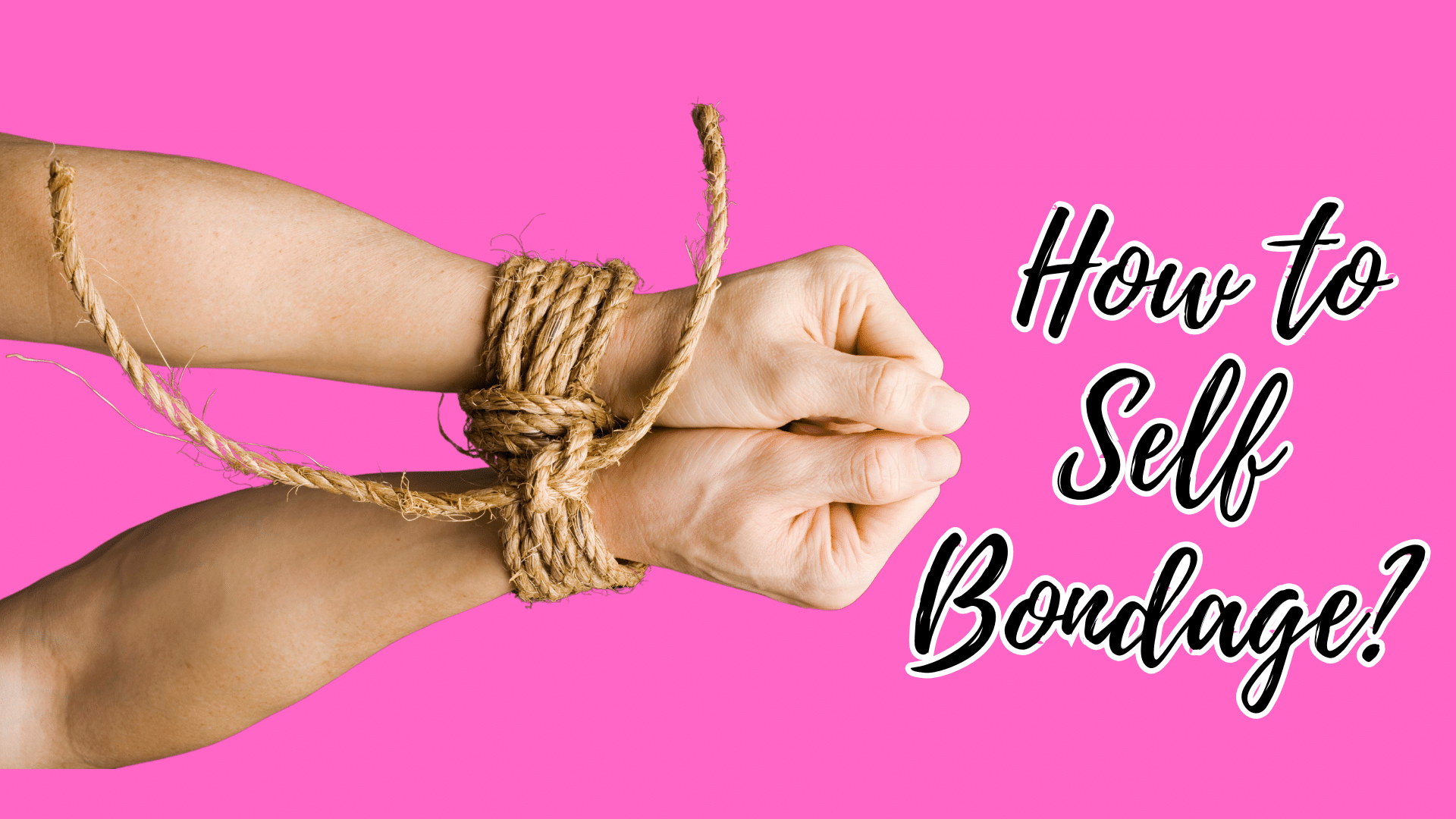
How To Self Bondage? Your Ultimate Guide to Safe, Sexy Solo Play
Ready to try self-bondage but don’t know where to start? This guide explains what you need to know to play safely, have fun, and enjoy tying yourself up. From picking the right rope to using creative tools like towels or ice for a key release, there are plenty of options.
Curious about how simple or creative self-bondage can get in your bedroom?
What Is Self Bondage?
Self-bondage—also called solo bondage—is when you use items like ropes, cuffs, or towels to bind yourself. Many people enjoy it for the control, anticipation, and pleasure it can bring to solo play or as part of a BDSM lifestyle.
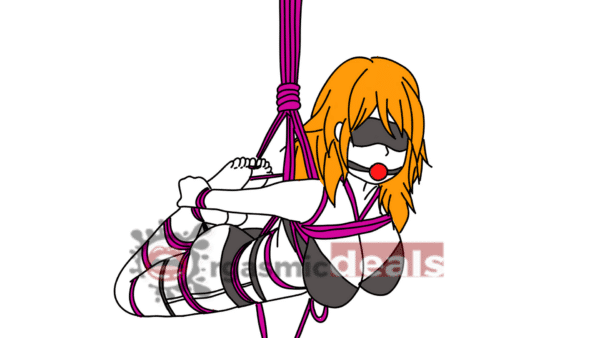
Exploring Solo Bondage
In solo bondage, you restrain yourself without a partner’s help. You create your own experience with careful planning and safety checks.
You might use ropes, cuffs, belts, or common items like scarves and towels. Some use ice locks or magnets for a timed release. This kind of play is flexible; you can keep it simple or get as intricate as you want.
The main appeal is being both in control and “helpless” at the same time. It’s a way to practice knots, explore fantasies, and discover your kinks in private. Safety is key, since you’re your own “captor” and rescuer.
Benefits and Appeal Of Self-Bondage
People try self-bondage for many reasons. It can offer intense sensations, freedom to explore fantasies without outside pressure, and a way to practice restraint techniques before trying them with a partner.
The feeling of being bound and waiting for a key or ice to melt can be a major turn-on. For some, it’s about trust in yourself. For others, it’s about self-discovery or wanting to spice up “alone time.”
It’s also a way to have a controlled solo BDSM experience, especially if you’re shy or not ready to try it with someone else. Safety still matters, even when you’re alone.
Popular Self-Bondage Scenarios
Some favorite scenarios include tying your wrists or ankles with rope or cuffs, using “self-hug” positions where your arms are strapped across your chest, or using furniture for extra restraint.
Creative setups include:
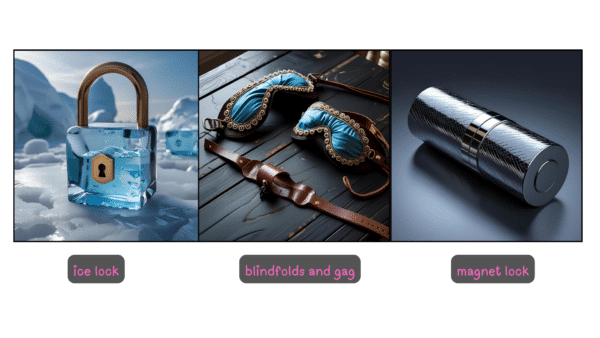
- Ice locks: You put a key inside a frozen block of ice, so you must wait for it to melt.
- Magnet locks: Timed releases that stay locked until the magnet moves.
- Blindfolds and gags: For added sensation and to heighten the feeling of helplessness.
People sometimes combine these setups, layering restraints or adding sensory deprivation (like earplugs or blindfolds) for a deeper experience. It can be as simple or as advanced as you feel comfortable with—just don’t forget your escape plan!
Safety First: Essential Precautions
Self-bondage can be exciting, but there are real dangers if you’re not careful. Here are practical ways to lower risks, stay aware of your body, and make escape plans that actually work if something goes wrong.
Risks and How To Avoid Them
Self-bondage comes with a few big risks, especially if you’re alone. The main concerns are cutting off blood flow, running out of air, and not being able to get loose if the plan fails. Respecting these risks is essential.
Make sure your hands are never tied so tightly that you can’t feel your fingers. Tingling or numbness means the ropes are cutting off blood, and you need to loosen them right away. Avoid tying anything around your neck or face. Also, don’t attach restraints to furniture or other objects unless you’re certain you can slip free.
Have a phone within reach to call for help, even if you think you won’t need it. If something goes wrong, being able to make an emergency call could save you.
Creating an Effective Escape Plan
Never count on pure strength or teeth to get you free. Before tying yourself up, set up a plan with emergencies in mind. A good escape plan includes backup strategies, like a safety word sent to a friend, a timer that releases a key, or use of ice to delay a key drop.
Many people tape keys to surfaces out of reach until the tape wears off, or use frozen containers with spare keys inside. If you use ropes, scissors must always be nearby. Don’t use knots that are impossible to untie one-handed or blind.
Test your escape method when your hands are free. If anything feels off or fails, change the plan before you start.
Monitoring Blood Circulation
Your body will give clues when something isn’t right. Numbness, tingling, cold skin, or oddly colored fingers are warning signs that you’re cutting off blood flow. Free yourself right away if you notice these signs.
Ropes and cuffs must allow you to fit a finger between your skin and the restraint. Hands, feet, and legs should move a bit, even when bound. Change positions regularly if you’re in self-bondage for a long time to keep blood circulating.
Check circulation every few minutes. Set a timer if you get lost in the fun. If there’s any sign of a problem, stop immediately.
Emergency Tools And Safety Checks
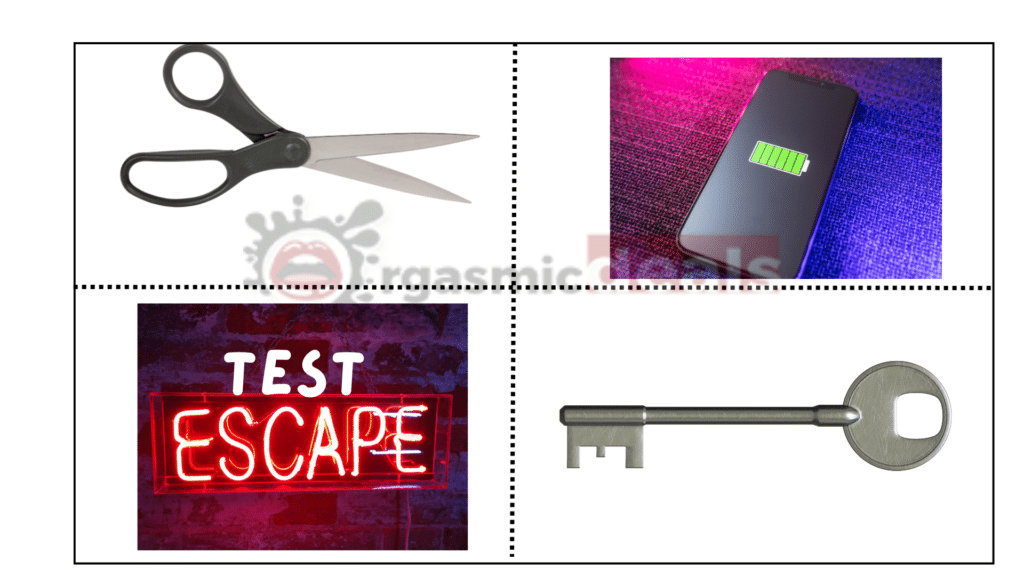
Have safety scissors—the kind that won’t stab your skin—within arm’s reach. You can tape them to the wall or have them dangling from a string nearby. For other restraints, have a spare key close.
Double-check before you start. Test that you can grab your emergency tools with your hands bound. Keep your phone easy to reach in case you need to call for help.
Here’s a simple checklist:
- Safety scissors within reach
- Spare key in a backup spot
- Phone charged, unlocked, and nearby
- Test your escape before locking anything tight
Choosing Your Self Bondage Gear
Picking the right self-bondage gear helps keep you safe, comfortable, and ensures you enjoy the experience. Different tools offer different sensations and challenges, so it’s best to know what you’re working with before you’re in a bind.
Ropes, Tape, and Bondage Tools
Bondage rope is a classic: it’s flexible, easy to cut if needed, and comes in materials like cotton, hemp, or silk. Use soft rope if you’re new, since it’s gentler on your skin and less likely to cause rope burn. Avoid thin, harsh cord or anything that could tighten unexpectedly.
Bondage tape is another beginner-friendly choice because it only sticks to itself, not your skin or hair. It’s smooth, stretchy, and easy to unwrap. Some people use plastic wrap for mummification-style play, but this is best left for those who know how to stay safe and avoid overheating.
A good pair of safety scissors or a bondage cutter (EMT shears) is a wise investment. Keep them nearby so you can free yourself quickly if needed.
Cuffs, Locks, And Handcuffs
Cuffs are popular because they’re fast, secure, and often padded for comfort. You can find cuffs in leather, faux leather, neoprene, or fabric, each with their own texture and feel. For self-bondage, cuffs with buckles or Velcro are easiest to use.
Handcuffs may look exciting, but metal handcuffs can pinch and are harder to remove if you lose your key or can’t reach the release. If you want that classic feel, use handcuffs with a quick-release lever or always keep a spare key close.
Locks add a serious touch to restraint. Magnet locks and timed locks are designed for self-bondage. Combination locks can also work, but always test your setup before you start so you don’t get stuck.
Basic Self Bondage Techniques
Safe and creative self-bondage opens up new ways to explore pleasure and control. Using different rope techniques, you can tie yourself securely, safely, and comfortably—without an assistant.
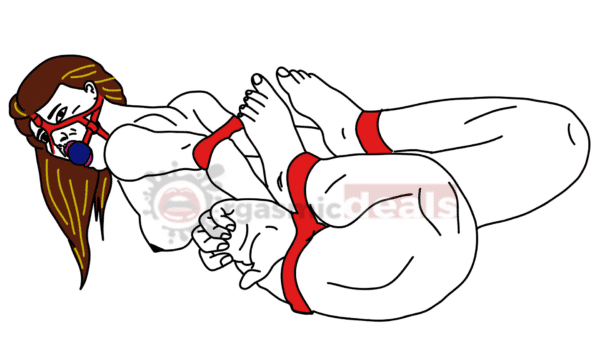
Simple Wrist And Ankle Ties
Wrist and ankle ties are the starting point for self-bondage. All you need is a soft, strong rope—about 2-3 feet for each tie.
How to do it:
- Make a loop in the rope, slip your wrist or ankle through, and pull to tighten.
- Wrap the rope around your limb another one to two times.
- Tuck the free end under the wraps and finish with a slip knot that can be easily undone with one hand.
Tip: Don’t pull too tight. You need good circulation and a way to escape if needed. Hair ties or soft cotton can make things more comfortable if you’re nervous about rope burn.
Quick Reference
| Action | Details |
|---|---|
| Material | Soft rope (cotton, nylon preferred) |
| Length | 2-3 feet per tie |
| Quick Release? | Always tie so you can untie easily |
Using Cinch Nooses And Knots
A cinch noose is a loop that tightens when pulled—great for self-bondage because it’s simple but strong.
To tie a basic cinch noose (sometimes called a ‘lark’s head’ or ‘slip knot’):
- Fold the rope in half.
- Place the bight (looped end) over your wrist or ankle.
- Pass the ends of the rope through the bight, then pull tight.
For more security, wrap the rope around your limbs and pass through the loop again before tightening. This keeps the tie snug if you move. Always test knots before play to make sure they release smoothly.
Use cinch knots with caution. If the rope tightens too much, blood flow can be cut off. Keep any keys, scissors, or other tools nearby in case you need a fast escape.
Harness And Crotch Rope Basics
A simple rope harness focuses on the chest or hips, while a crotch rope adds direct physical sensation.
For a basic chest harness (“rope harness”):
- Wrap the rope around your chest, just above your breasts or pecs.
- Cross the rope between your shoulder blades, then bring it under your arms and back over.
Secure the ends with a double knot that’s not too tight. Use a mirror for easier adjustments.
For crotch rope:
- Start by making a waist loop.
- Pass the rope between your legs (front to back), then up and over the waist line.
- Adjust the tightness for comfort—never so tight it pinches or feels numb.
These self bondage ties can add excitement and variety to solo play. Always have a way to get out and never tie anything that you can’t safely untie yourself.

Intermediate And Advanced Self Bondage Ideas
Practicing self bondage at a higher level is about safety, creativity, and making the experience as satisfying as possible. With the right planning, you can experiment with complex ties and timed scenarios.
Self Bondage Hogtie
The self bondage hogtie is a classic, yet challenging position. It involves connecting your wrists and ankles behind your back, usually with rope, so that movement is nearly impossible. This position increases vulnerability and boosts the thrill for many who enjoy restraint.
To do this safely, presize all your rope loops and use carabiners or quick-release knots. Keep safety scissors within reach. For extra security, use velcro straps as backups, or attach a key to a string hanging just out of reach.
Key Tips:
- Practice the tie with loose ropes before tightening.
- Avoid placing knots directly on nerves or joints.
- Check your body’s circulation during the tie—numbness is a warning sign.
Shibari Rope Art For One
You don’t need a partner to explore the art of shibari. Self-tying decorative rope harnesses or chest harnesses can feel both artistic and sensual. You might create a diamond chest harness, simple leg bindings, or a rope corset using soft cotton rope for comfort.
Many guides and videos walk you step-by-step through different self-bondage techniques. Always start simple; decorative ties like the single-column tie or karada can be done solo. Adjust tension and placement to suit your body shape.
Popular self-bondage positions for shibari:
- Rope bras and chest harnesses
- Leg or thigh harnesses
- Decorative booty harnesses
Always double-check your knots and practice getting out of them before trying more complicated ties.
Timed And Release Mechanisms
Timed restraints take your self bondage to another level, letting you “lock” yourself in for a set period. Tools like ice locks, melting keys, or electronic time-release cuffs are common.
A simple approach is to put a key in a plastic cup of water and freeze it, so you can’t get free until the ice melts. You can buy magnetic or timer-based locks which open after a set time. Strewing salt or water on the floor can also encourage you to stay in position until your release device activates.
Common timed restraint setups:
- Ice locks connected between wrist cuffs
- Key in an ice block
- Combination locks with delayed codes
Always have a backup release plan and never rely on just one mechanism. If you’re new to timed restraints, test each device in a less restrictive position first.
Creative Release Methods and Escape Strategies
When you’re tying yourself up, your release plan deserves just as much attention as your knots. Safe self-bondage means making sure you have a reliable, practical way out—especially because accidents and numbness can happen unexpectedly.
Lock And Key Tricks
A classic way to secure yourself is with a lock and key—think handcuffs, padlocks, or locking straps. Before you lock yourself in, decide where you’ll put the key so you can always reach it. A second, backup key can be a lifesaver if your first key slips away or falls out of reach.
- Attach keys with string and secure them where you can reach even if you drop one.
- Never swallow keys or tape them to your body.
- Test the whole setup before play.
A lock can easily become a trap if something goes wrong—so double-check, and don’t lock up unless you truly trust your escape route.
Ice Cube And Ice Lock Techniques
Freezing the key in ice is a popular method for timing your escape. You can use an ice cube tray to make a simple “ice lock” or freeze the actual key inside a block of ice, forcing you to wait until it melts before you’re free. The thicker the ice, the longer you’ll stay put—so experiment with melting times.
How to make an ice lock:
- Place the key in a cup or ice tray, cover with water, and freeze solid.
- Tie or lock yourself up with the frozen key somewhere nearby, but just out of immediate reach.
- As the ice melts, the key will drop or become free for you to grab.
Be careful not to use ice that melts too slowly—nobody wants a chilly, all-night “bondage marathon” unless that’s the plan!
Using Scissors And Emergency Tools
Always keep a strong, easy-to-use pair of safety scissors nearby. Bandage or EMT scissors can cut through rope or tape fast and can save you if you’re stuck or something goes wrong. Place scissors within arm’s reach before you start and never hide them under things or put them in another room.
Create a quick-access plan:
- Keep scissors tucked between couch cushions or duct-taped to a sturdy surface.
- Consider keeping a backup cutting tool just in case.
It’s not “cheating” to use safety equipment—being able to cut yourself out quickly often means you get to play again. Safety first, sexiness later!
Spicing Things Up: Advanced Scenarios and Sensations
There are many ways to get more excitement out of your solo play with self bondage. Mixing up positions, using extra tools, and playing with orgasm control can all turn up the heat.
Incorporating Bondage Positions
Shifting your body into different bondage positions can add intensity or comfort. The hogtie—where your ankles and wrists are bound behind your back—limits movement and creates a real “locked down” feel. Try tying your wrists behind your back, or binding your ankles together, then looping rope around your waist to keep everything snug.
- Common positions to try:
- Frogtie: Tie your ankles to your thighs.
- Spread eagle: Secure your limbs at different corners of the bed.
- Box tie: Bind your forearms together across your body.
Add a pillow or folded towel under part of your body if you want less strain. Test positions slowly before getting fully bound so you’re sure you can breathe and wiggle free if needed.
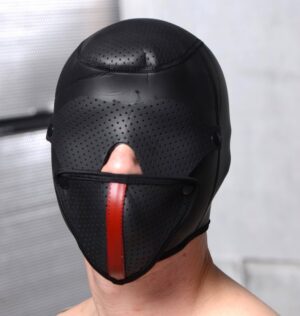
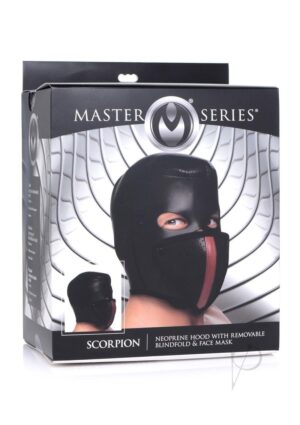
MS Scorpion Sex Hood with Removable Blindfold and Mask
Regular: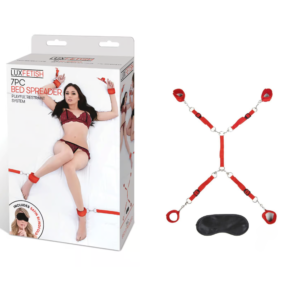
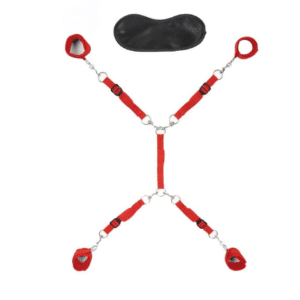
Lux Fetish BDSM Bondage Kits Play 7-Piece Bed Spreader Sex Restraints
Regular: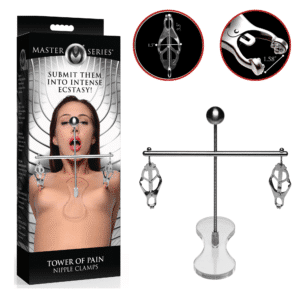

Tower of Pain Stainless Steel Clover-Style Bondage Gear Adjustable Nipple Clamps
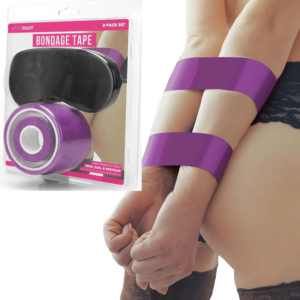
Whipsmart 100Ft Sex Restraints Self-adhesive Japanese Bondage Tape
Regular: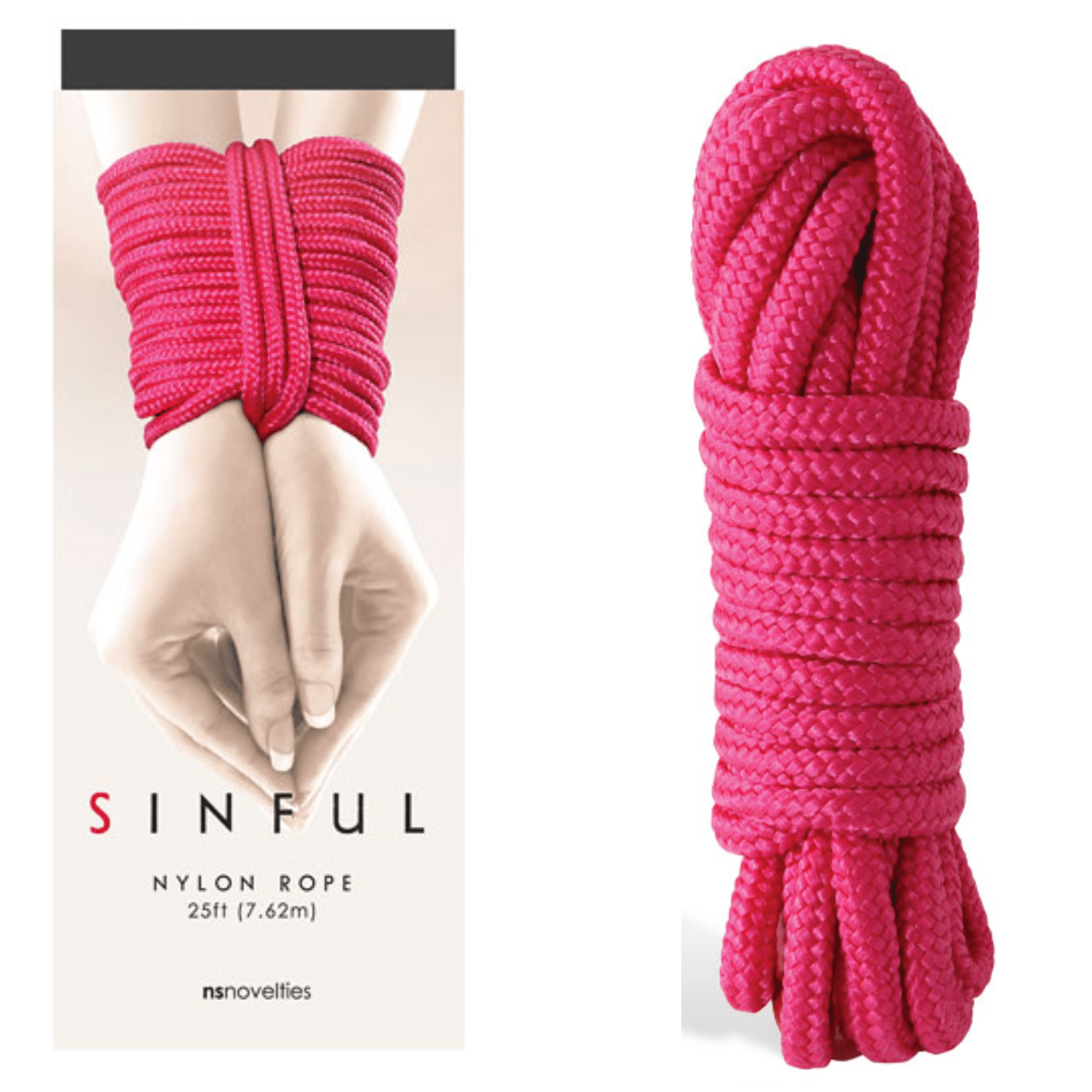
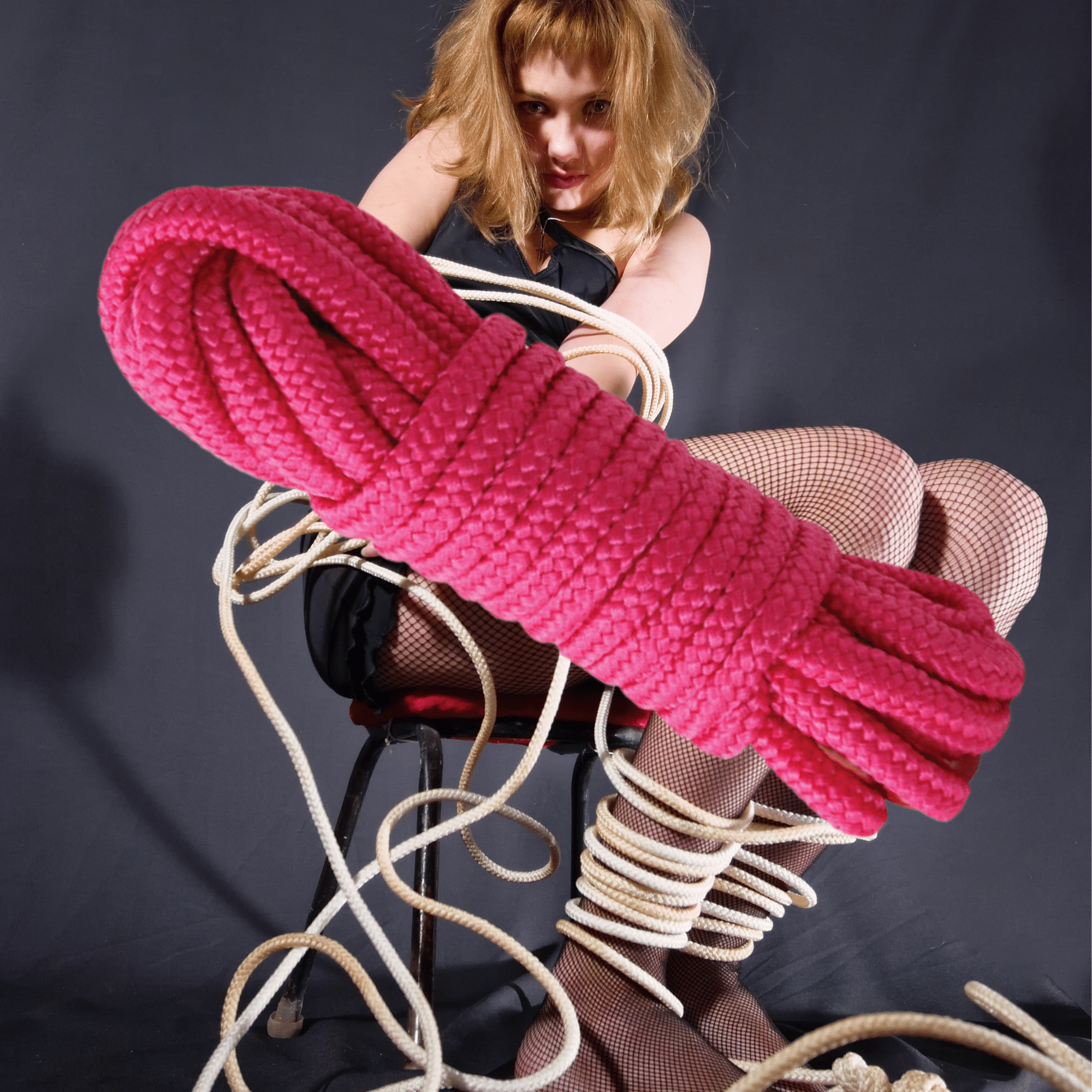
Sinful Pink BDSM Nylon 25-ft Japanese Bondage Rope
Regular:
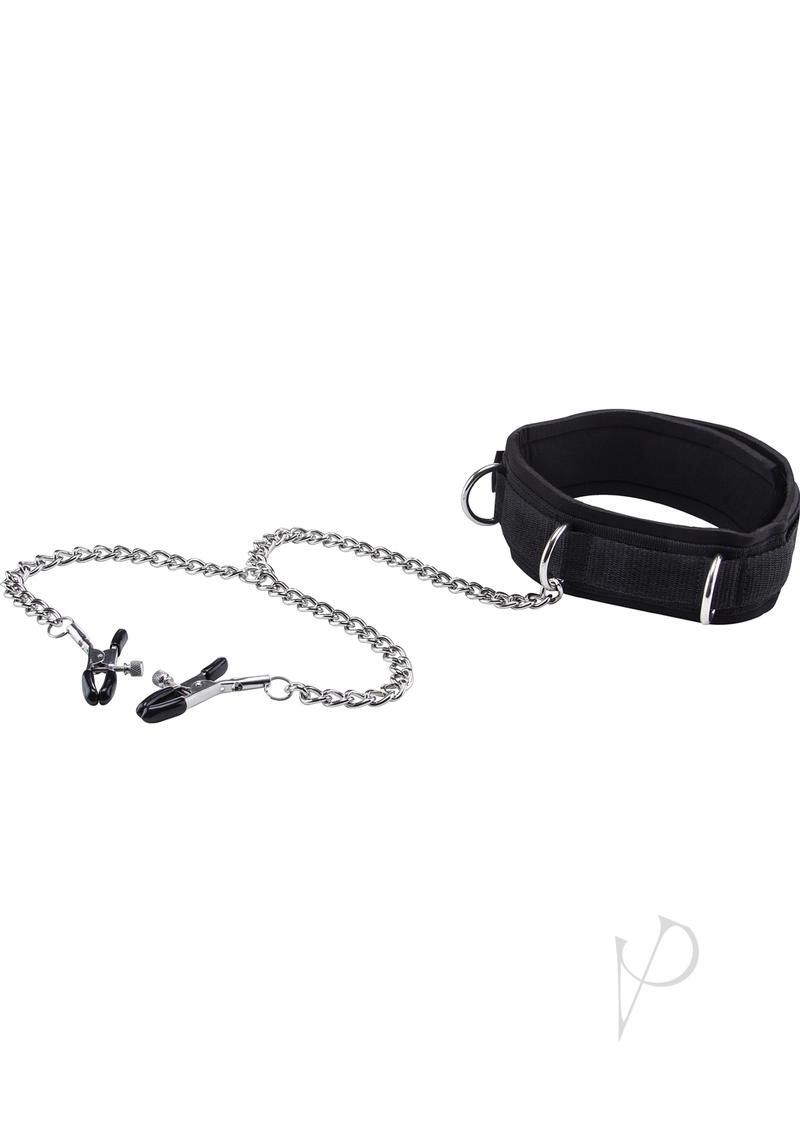
Stimulating Toys: Nipple Clamps And More
Adding toys like nipple clamps can boost sensation and your solo scene. Nipple clamps pinch gently, sending tingling feelings through your chest. If you’re new to these, choose adjustable clamps and start loose.
For other options, bullets or vibrators can be placed around your waist or pressed between your thighs. Rope itself can become a toy: make knots or loops that rub a sensitive part of your body as you move. Lay out your toys beforehand so you don’t have to fumble around.
Tip: Put lube on clamps or ropes if you want to make them more comfortable.
Orgasm Control And Edging
Playing with orgasm control adds a wild twist to your play. You can set a rule to edge yourself—bring yourself close to orgasm, then back off before you finish. This builds up intensity for a bigger release later.
Tie yourself so it’s hard (but not impossible) to stimulate your most sensitive zones, such as by tying your hands behind your back or using a crotch rope. Pair nipple clamps or vibrators with a timer so you can’t reach them easily or must wait for your release.
A simple chart can help you track how many rounds of edging you go through:
| Round | Stimulation | Edge or Release |
|---|---|---|
| 1 | Nipple clamps + buzz | Edge |
| 2 | Thigh rope + vibe | Edge |
| 3 | All toys on! | Release |
Push your limits only as far as you feel safe. If you’re new to this, start with one or two edges and add more as you get comfortable.
Aftercare, Reflection, And Next Steps
Self-bondage can be a thrilling experience, but there’s more to it than just the ropes. Taking care of your body and mind afterward will help you enjoy solo play safely and explore new ideas with confidence.
Physical Aftercare For Solo Play
When you finish a self-bondage session, start by moving slowly. Your body might be stiff or tingly, especially if you stayed tied up for a while. Gently massage the parts of your body that were under pressure or tied. This helps restore blood flow and reduces any numbness.
Hydrate by drinking water, and grab a light snack if you feel weak. Some people enjoy a warm shower to help their muscles relax. It’s normal for marks or redness to show up, but they usually fade quickly. If you spot any bruises or feel sharp pain, use an ice pack for swelling and give your skin time to heal before your next session
Here’s a quick self-check table:
| What to Look For | What To Do |
|---|---|
| Tingling or numbness | Massage and move more |
| Redness or mild bruising | Cool compress, rest |
| Sharp pain or swelling | Ice packs, see a doctor if needed |
Reflecting On Your Experience
After you’re untied and comfortable, take a moment to think about how it went. Were there any parts you really liked or anything that made you uncomfortable? These reflections help you get the most out of solo play.
You can write your thoughts in a journal or use your phone’s notes. Ask yourself:
- Did you feel safe the whole time?
- Was the bondage too loose, too tight, or just right?
- Did you try anything new that worked or didn’t work?
Noticing these things lets you make changes next time. It’s also a nice ego boost to celebrate things you handled well. If you’re into BDSM or slave play, personal feedback is your best tool for smarter sessions.
Trying New Self-Bondage Ideas
Solo bondage doesn’t need to look the same every time. If you’re a beginner, keep it simple at first—experiment with single-column ties, use scarves, or try basic knots. Once you feel comfortable, explore different positions or timed release methods using ice or Velcro straps.
Mixing up materials can make things interesting. Ropes, stockings, or soft bondage tape each give a different feel. If you don’t have a partner, using mirrors can help you check your safety and see your work. Safety always comes first: avoid tying joints too tightly or using anything that could cut off circulation.
For inspiration, self-bondage guides and YouTube videos show new techniques step by step. Keep experimenting and enjoy learning the art of tying yourself up.









Add comment
You must be logged in to post a comment.