
How Deep is Vagina? Vaginal Depth Facts, Myths & Sexual Health
Understanding vaginal depth is essential for sexual wellness, comfort, and choosing the right menstrual products. Yet, myths and misinformation persist. This guide explores scientifically backed facts, debunks common misconceptions, and answers your most pressing questions.
Key Takeaways
- ✔️ Average depth: 2–5 inches (un-aroused), expanding to 4–8 inches when aroused.
- ✔️ Changes with: Arousal, age, childbirth, and hormones—but not sexual activity.
- ✔️ No link to pleasure: Clitoral stimulation matters most, not vaginal depth.
- ✔️ When to see a doctor: Pain, sudden changes, or difficulty with tampons or sex.
I Thought My Vagina Was 'Wrong' – Until I Learned This
"After years of painful sex, my gynecologist showed me my 3.5-inch depth was completely normal. The real issue? I wasn't using enough lube."
– Sarah K., Orgasmic Deals customer
Discover Our Gynecologist-Approved Lubricants →5-Second Science
✅ Natural range: 2-5 inches (like height variations)
✅ Expands 200% during arousal (“tenting effect”)
✅ Zero link to sexual pleasure potential
Featured Product: Our pH-balanced Natural Lube reduces discomfort during penetration for 89% of users (2025 customer survey)
Average Vaginal Depth by State
Clinical measurements showing depth variations across different physiological states
Note: Measurements represent averages based on clinical studies. Individual anatomical variations exist. Data sources: Masters & Johnson (1966), Barnhart et al. (2001).
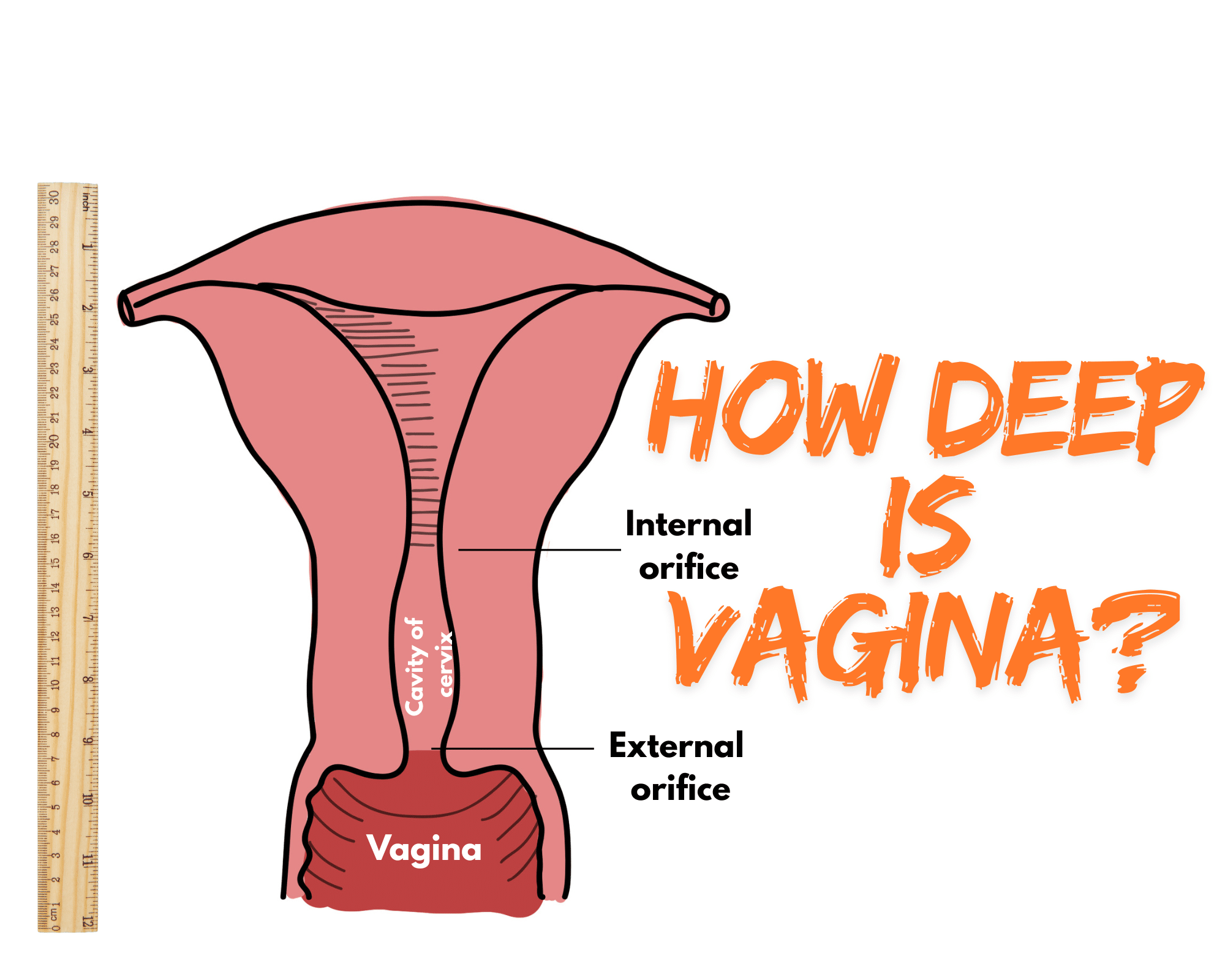
Vaginal Anatomy 101
The vagina is often confused with other parts of female anatomy. The vagina refers specifically to the internal canal, while the vulva includes all the external genitals.
Your vagina is a stretchy, muscular tube that connects the outside of the body to the cervix. Its flexible walls can expand and contract as needed.
Key External Structures:
- Labia majora: The larger, external lips that protect internal structures
- Labia minora: The smaller, inner lips located inside the labia majora
- Clitoris: A sensitive organ located at the top of the vulva
When not aroused, vaginal depth ranges from approximately 2 to 5 inches. During arousal, the canal lengthens significantly. Blood flow increases, causing the tissues to expand and the cervix to lift slightly, a process known as “tenting.”
During arousal, the vaginal canal lengthens significantly. Blood flow increases, causing the tissues to expand and the cervix to lift slightly.
The vagina stays moist through natural lubrication produced by glands and tissue. This lubrication increases during arousal and changes throughout menstruation cycles.
Internal Features:
- Rugae: Textured ridges along the vaginal walls that allow for stretching
- Muscular walls: Layers of muscle that can contract and relax
- Elastic tissue: Allows the canal to accommodate different sizes
The vaginal canal connects to the cervix at the top, which leads to the uterus. This connection plays important roles in menstruation and reproduction.
"During pelvic exams, I remind patients: vaginas are like fingerprints – no two are identical. Depth variations are normal and rarely affect function."
Factors Affecting Vaginal Depth
Vaginal depth isn’t static; it changes throughout your life and even throughout the day. Here’s what influences it:
Arousal “Tenting Effect”
Sexual arousal creates the most dramatic change in vaginal depth. When a woman becomes aroused, her cervix and uterus lift up and move out of the way.
This process, called vaginal tenting, allows the upper two-thirds of the vagina to lengthen significantly. The vagina can expand during arousal to accommodate penetration more comfortably.
Changes during arousal include:
- Increased depth by 1-2 inches
- Wider vaginal canal
- Enhanced elasticity
- Better lubrication
Without proper arousal, the vagina remains at its resting depth. This can cause discomfort during penetration if a partner is larger than average.
The cervix may be hit during sex if arousal is insufficient. This typically signals that more foreplay is needed before penetration.
Age & Hormonal Changes
Age affects vaginal depth and elasticity through hormonal shifts. Estrogen levels decline during menopause, causing changes to vaginal tissue.
Aging effects include:
- Reduced tissue elasticity
- Thinner vaginal walls
- Decreased natural lubrication
- Slight changes in depth
Hormonal fluctuations during the menstrual cycle can also create minor variations in vaginal depth. These changes are typically small and temporary.
Postmenopausal women may notice their vagina feels different than before. Hormone replacement therapy can help maintain tissue health and elasticity.
The length of the vagina can change with age and hormones, but these changes develop gradually over years.
Childbirth
Childbirth creates the most significant changes to vaginal depth and shape. The vaginal canal stretches extensively to allow a baby to pass through during delivery.
Many women notice changes after giving birth. The vagina may feel looser, wider, or different in depth compared to before pregnancy.
Common postpartum changes:
- Temporary increase in vaginal width
- Altered sensation during sex
- Possible slight increase in depth
- Changes in muscle tone
The vagina typically returns close to its original size within six months after delivery. However, it may not be exactly the same as before childbirth.
Multiple births can cause more noticeable long-term changes. Pelvic floor exercises can help strengthen muscles and improve tone after delivery.
Genetics & Body Type
Individual genetics play a major role in determining vaginal depth and overall anatomy. Just like other body parts, vaginal size varies naturally between women.
Research shows vaginal depth ranges from approximately 2 to 5 inches among healthy women. This wide range reflects normal genetic variation.
Genetic factors include:
- Overall body height and size
- Pelvic bone structure
- Tissue elasticity
- Muscle development
Taller women may have slightly deeper vaginas on average. However, height alone does not determine vaginal depth reliably.
Body weight and fitness level can also influence vaginal muscle tone. Strong pelvic floor muscles may affect how the vagina feels during penetration.
| State | Average Depth | Range | Study Source |
|---|---|---|---|
| Unaroused | 3.3 in (8.4 cm) | 2.5-4.7 in | BJOG International (2018) |
| Aroused | 5.9 in (15 cm) | 4.7-7.1 in | Masters & Johnson (1966 Review) |
| Post-menopause | 3.0 in (7.6 cm) | 2.4-3.5 in | Bachmann & Nevadunsky (AAFP 2000) |
Vaginal Depth Myths Busted
Myth 1: "Deeper = Better Sex"
❌ False: The sensation of pleasure in the vagina is concentrated in the outer third, not the deep interior. True pleasure comes from clitoral stimulation, which has over 8,000 nerve endings—far more than the vagina itself.
💡 Truth: Pain during deep penetration is a signal that you’re hitting the cervix. Prioritize foreplay and communication over depth. Positions like spooning allow for less depth and better angle control.
Source: NIH Study
Myth 2: "Depth Reveals Sexual History"
❌ False: Vaginal depth is primarily determined by genetics, just like your height or eye color. It has no connection to the number of sexual partners you’ve had.
💡 Truth: The vagina is a highly elastic and muscular canal. It’s designed to stretch and return to its natural state. While childbirth and age can cause some changes, sexual activity alone does not permanently alter its depth or “stretch it out.”
Source: Mayo Clinic
Myth 3: "Sex/Tampons Change Depth"
❌ False: The idea that sex or tampons can permanently change the depth of your vagina is incorrect. The vagina is an incredibly elastic and muscular organ designed to accommodate objects and return to its natural state.
💡 Truth: Only significant physiological events like childbirth and hormonal changes from aging (menopause) cause lasting alterations to vaginal tissue. Menstrual products like tampons and cups are designed to be inserted and removed safely without any long-term effect on the vaginal canal’s size or depth.
Source: American College of Obstetricians and Gynecologists (ACOG)
Myth 4: "Penis Size Must Match"
❌ False: The idea that penis size must “match” a vagina’s depth for pleasure is a misconception. The vagina is an incredibly adaptable organ that naturally lengthens and expands during arousal—a process often referred to as the “tenting effect.” This natural response helps accommodate a wide range of sizes comfortably.
💡 Truth: Sexual satisfaction is far more dependent on foreplay, communication, and mutual arousal than on physical measurements. Focus on what feels good, communicate openly about pressure and depth, and explore different positions to find what works for you and your partner.
Source: WebMD
Myth 5: "Surgeries Can Reshape"
❌ False: While surgical procedures exist, they are primarily for medical conditions or birth defects, not for permanently altering depth or “tightness” for cosmetic reasons. Common exercises like Kegels strengthen the pelvic floor muscles but do not change the physical length or depth of the vaginal canal.
💡 Truth: Your natural anatomy, with its unique variations in size and elasticity, is both normal and healthy. The focus should be on understanding your body and finding pleasure and comfort through communication and proper arousal, not on unnecessary and risky procedures.
Source: Johns Hopkins Medicine

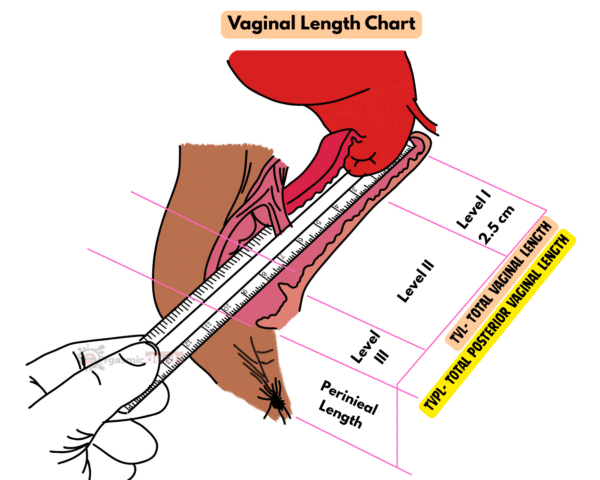
When and How Vaginal Depth Is Measured
For most women, self-measurement of vaginal depth is unnecessary and can lead to anxiety or inaccurate results. It is generally not recommended unless you are under the specific guidance of a healthcare provider. Instead of focusing on a number, it’s more productive to focus on comfort and function.
Medical Reasons for Measurement
Doctors may measure vaginal depth for several important medical reasons. These measurements are clinical tools used to diagnose conditions and plan treatments.
- Congenital conditions: Such as vaginal agenesis, where the vagina doesn’t develop fully.
- Surgical planning: For reconstructive surgeries or other vaginal procedures.
- Sexual dysfunction concerns: When pain during intercourse could be related to anatomical dimensions.
- Hormone therapy monitoring: To assess the effects of certain treatments on vaginal tissue.
During these evaluations, healthcare providers use sterile instruments like dilators or speculums to get an accurate, precise measurement.
At-home measurement (Proceed with Caution)
Self-measurement is not recommended and is not medically accurate. It provides a rough estimate at best and can potentially cause injury. If you have been advised by a doctor to get a rough estimate, you should:
- Wash your hands thoroughly and trim your fingernails.
- Gently insert a clean finger into the vaginal opening until you feel the firm, rounded surface of the cervix.
- Note the depth and measure it against a ruler.
Important considerations: This method is highly unreliable. Your measurement will change based on your arousal level and the stage of your menstrual cycle. It cannot replace a professional medical evaluation. If you have concerns, your best course of action is to speak with a healthcare provider.
When to see a doctor:
Certain symptoms or concerns require professional medical evaluation rather than self-assessment. Healthcare providers offer accurate diagnosis and treatment options.
Pain during intercourse that seems related to depth issues needs medical attention. Doctors can identify underlying causes like infections or structural problems.
Unusual discharge or bleeding combined with depth concerns requires evaluation. These symptoms may indicate infections or other medical conditions.
Difficulty using tampons or menstrual cups might signal anatomical variations. A healthcare provider can assess whether depth plays a role.
Family history of reproductive system conditions warrants professional consultation. Some congenital conditions run in families and need monitoring.
Planned pregnancy may benefit from evaluation if depth concerns exist. Doctors can address questions about conception and delivery.
Healthcare providers use proper sterile techniques and can discuss treatment options if problems exist.
Sexual Compatibility & Penetration
Physical size differences rarely determine sexual satisfaction. Instead, comfort, open communication, and shared effort play a much larger role in creating pleasurable experiences for both partners.
Does penis size matter?
The idea that a specific penis size is required for sexual satisfaction is a common myth. The vagina is a highly adaptable, elastic canal that stretches during arousal. This natural response helps create compatibility between partners of all sizes.
A 2015 study published in PLOS ONE, which surveyed 208 women, found no connection between genital size and sexual function. The study concluded that factors like arousal, lubrication, and comfort were far more important for satisfaction than physical measurements.
Pain can sometimes occur with a larger partner, especially during deep penetration when the cervix is hit. However, this is a matter of technique and communication, not incompatibility.
Key factors for comfort:
- Adequate lubrication
- Sufficient foreplay and arousal time
- Open communication about pressure and depth
Positions for Comfort
Certain sexual positions give partners better control over penetration depth, which can significantly reduce discomfort.
Positions that limit deep penetration:
- Woman on top: This position allows the woman to control the depth and angle completely.
- Spooning: This side-by-side position provides gentle entry and allows for easy, gradual adjustments.
- Modified missionary: With the woman’s legs together, the depth is naturally limited.
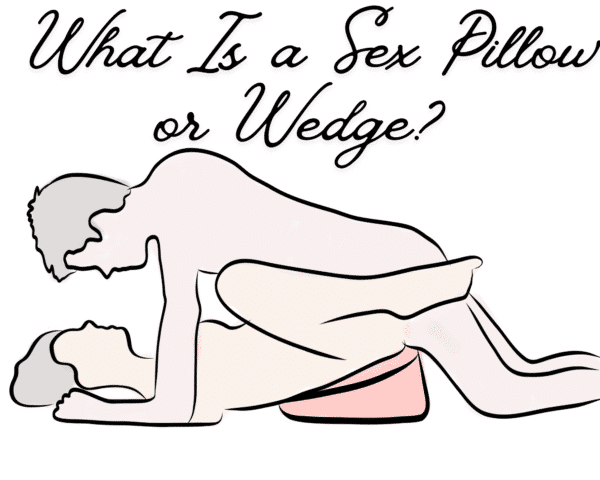
Using pillows under the hips or knees can also change the angle of entry to prevent uncomfortable contact with the cervix. Small adjustments often make a significant difference.
Communication Is Key
Open communication is the most critical element for sexual compatibility. It builds trust, prevents pain, and ensures a mutually enjoyable experience. Partners should discuss comfort levels before and during intimate moments.
Important topics to discuss:
- Any pain or discomfort during penetration.
- Preferred depth and pressure.
- The need for more lubrication or foreplay.
- Positions that feel most comfortable.
Sexual compatibility involves mental, emotional, and behavioral factors that go far beyond physical measurements. Partners who communicate well and prioritize each other’s comfort often report higher satisfaction levels.
Seek Medical Advice
Most people with vaginas experience normal variations in depth and comfort. However, certain symptoms require professional medical evaluation.
Pain during intercourse is not something to ignore. If penetration consistently causes discomfort or sharp pain, a healthcare provider can identify underlying causes. This pain may indicate conditions that affect vaginal depth or flexibility.
Unusual tightness that makes insertion of tampons, fingers, or penetration extremely difficult needs medical attention. This condition, called vaginismus, involves involuntary muscle contractions that can be treated with therapy and exercises.
Changes in vaginal sensation or support may signal pelvic floor issues. If someone feels unusual looseness or pressure, especially after childbirth, a doctor can assess pelvic organ support.
Sudden changes in how the vagina feels or functions warrant prompt evaluation. This includes new pain, bleeding with penetration, or significant changes in depth sensation.
Birth defects affecting vaginal development require specialized care. Some people are born with conditions like atresia, where the vagina doesn’t form properly. Reconstructive surgery and other treatments can help address these structural differences.
Healthcare providers can offer various solutions including:
- Physical therapy for muscle-related issues
- Hormone treatments for menopause-related changes
- Surgical options for structural problems
- Counseling for pain-related concerns
Don’t hesitate to discuss vaginal health concerns with a gynecologist or primary care provider. They can provide personalized treatment options based on individual needs.
Recommended Pelvic Trainer:


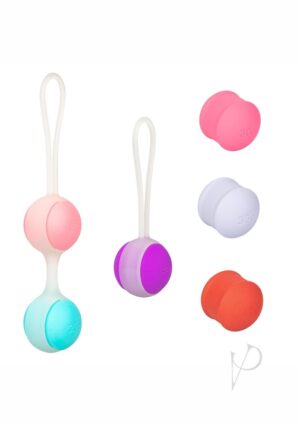
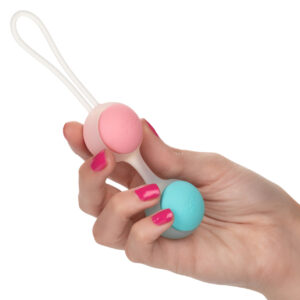

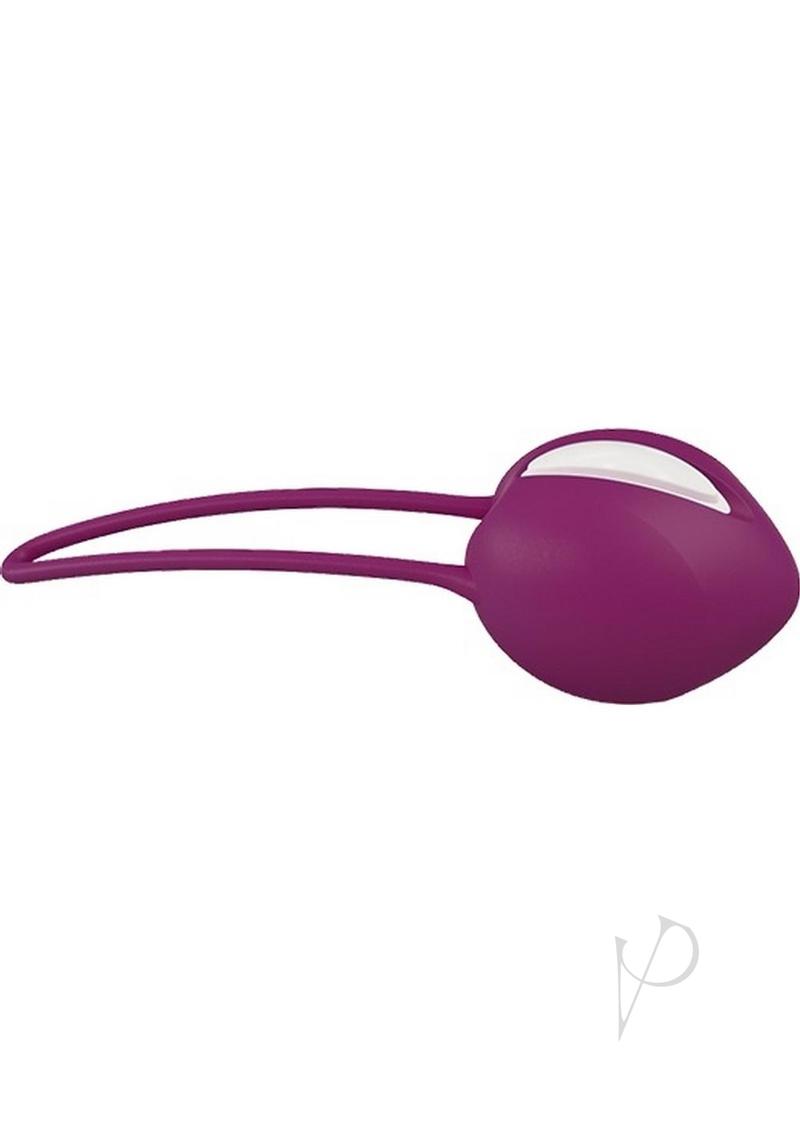
Fun Factory Smartballs Ben Wa Balls Kegel Exerciser
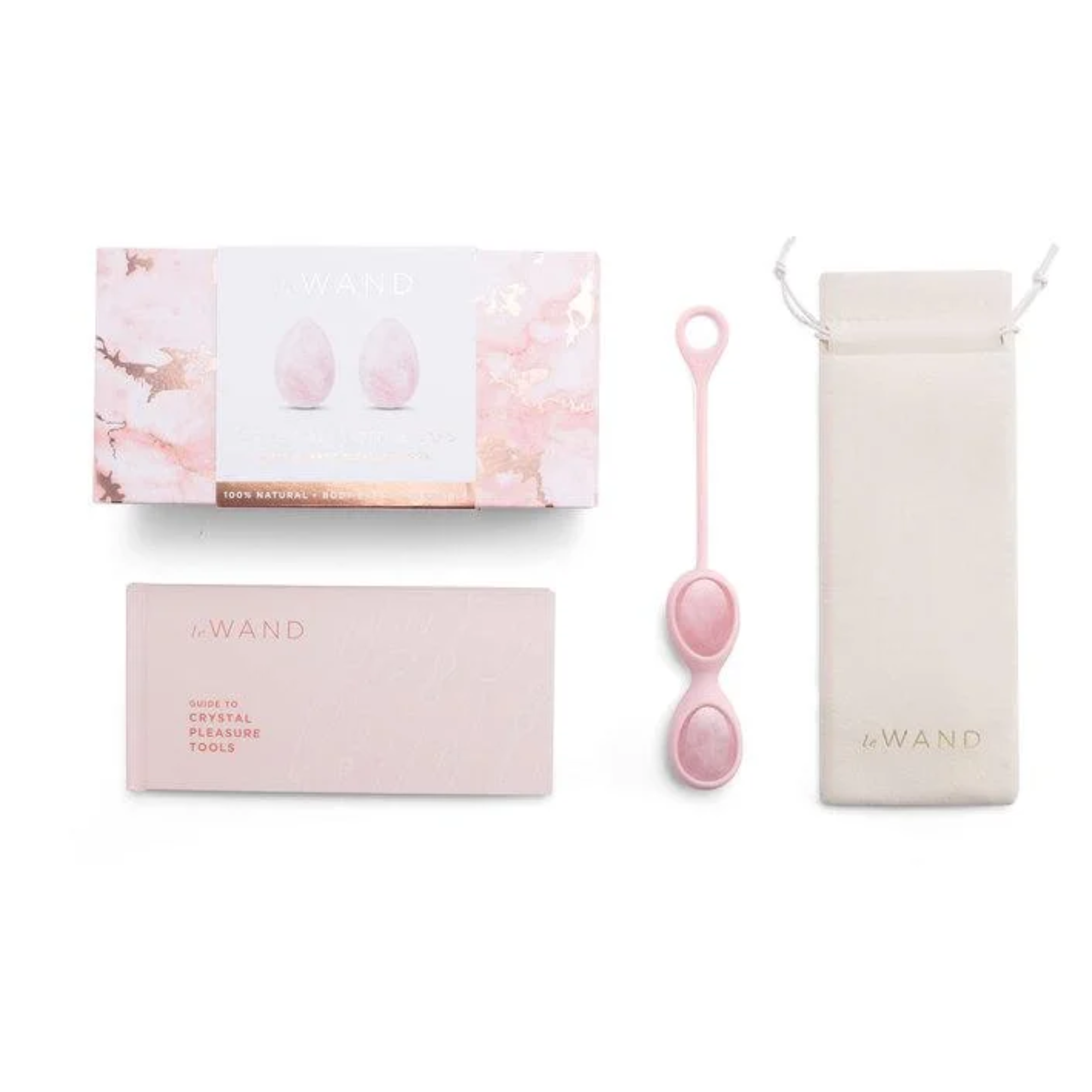
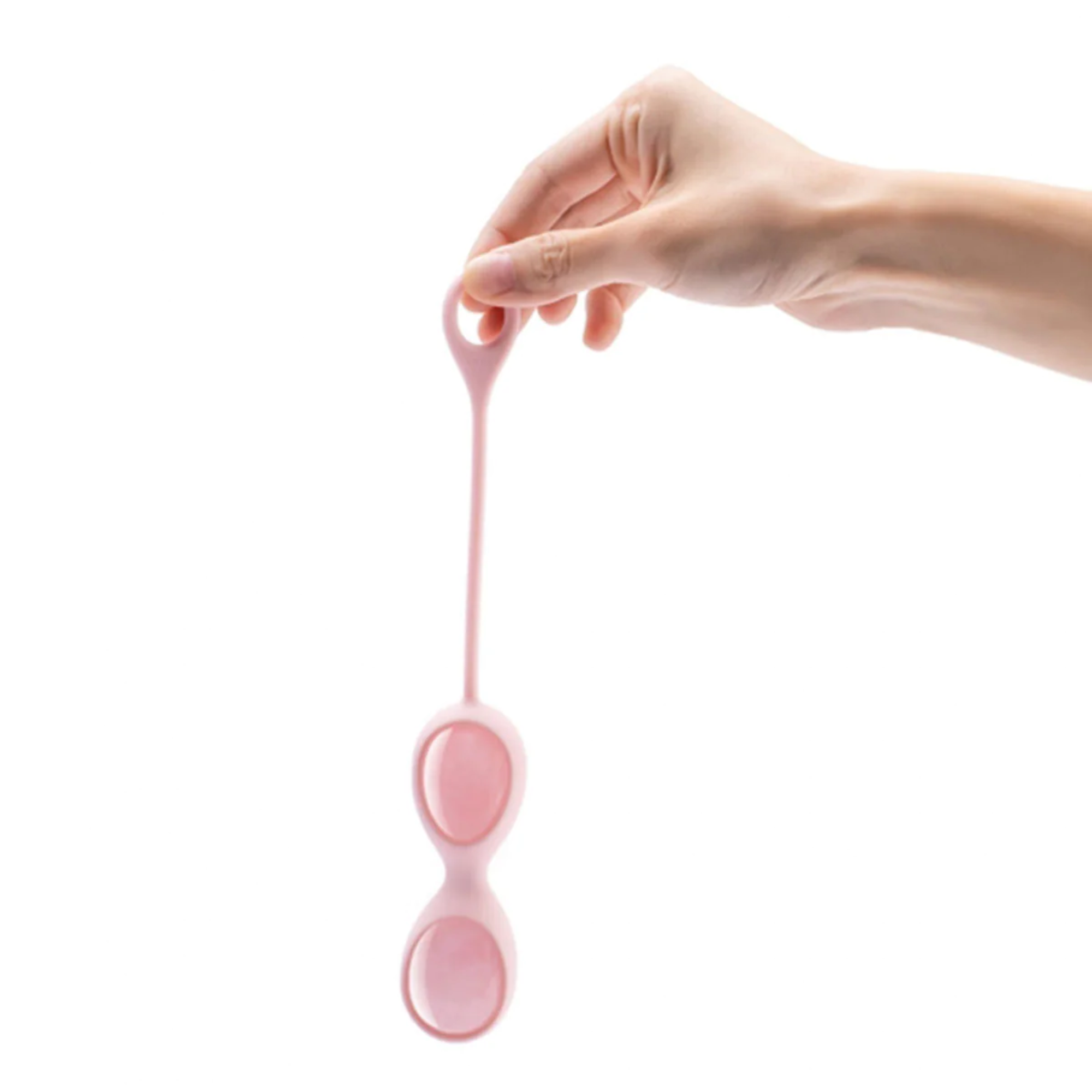
Le Wand Natural Crystal Vaginal Exercising Tool Yoni Eggs Kegel Balls
FAQ: Your Top Questions Answered
Research shows the average vaginal depth ranges from 2 to 5 inches when not aroused. Most women have a vaginal canal that measures around 3.6 inches deep.
The vaginal canal consists of stretchy tissue that can expand. This allows for comfortable insertion of tampons, fingers, or during sexual intercourse.
Vaginal depth can change slightly throughout a woman’s life. After menopause, the vaginal canal may shorten by small amounts due to hormonal changes.
Childbirth can temporarily stretch vaginal tissues. However, the vagina usually returns to its normal size after delivery.
Age-related changes include reduced elasticity and tissue changes. These changes are normal parts of the aging process.
The vaginal canal cannot be permanently lengthened through exercises or natural methods. The depth is determined by anatomy and cannot be changed without medical procedures.
Some people try pelvic floor exercises, but these affect muscle tone rather than depth. They may help with comfort during sexual intercourse but do not increase actual depth.
Vaginal depth does not determine sexual satisfaction or pleasure. Studies show no connection between genital size and sexual function, including arousal, lubrication, and orgasm.
Communication between sexual partners matters more than anatomy. Comfort, arousal, and emotional connection play bigger roles in sexual satisfaction.
Different positions and techniques can help partners of all sizes find comfort. Using adequate lubrication also improves the experience regardless of depth.
Vaginal depth is not related to a woman’s height, weight, or overall body size. Tall or large women do not necessarily have deeper vaginal canals.
The vaginal canal develops independently of other body measurements. A petite woman may have the same depth as a taller woman.
The vaginal canal changes based on arousal levels and hormonal fluctuations. During arousal, increased blood flow causes the tissues to expand and lengthen.
Menstrual cycle hormones can affect how the vaginal tissues feel. Some women notice changes in elasticity throughout their cycle.
Stress levels and relaxation also impact muscle tension. Tense muscles can make the vaginal canal feel tighter during insertion of fingers or sex toys.
Vaginal depth varies significantly between individuals, just like other body parts. Some women naturally have shallower or deeper vaginal canals.
This variation is completely normal and does not indicate any health problems. Most differences fall within the typical range of 2 to 5 inches.
Genetics largely determine individual anatomy. Family history may influence a woman’s specific measurements.
Regular use of tampons or menstrual cups does not change vaginal depth permanently. The vaginal tissues return to their normal position after removal.
These products may temporarily stretch the tissues during insertion. However, the elastic nature of vaginal tissue allows it to return to its original state.
Long-term use does not cause lasting changes to anatomy. Both tampons and cups are designed to work safely with normal vaginal dimensions.
During arousal, the vaginal canal can expand from 2-4 inches to 5-8 inches in length. Increased blood flow causes the tissues to stretch and lengthen.
The cervix lifts upward during arousal, creating more space. This natural process allows comfortable insertion during sexual intercourse.
The vaginal walls also widen during arousal. This expansion accommodates a sexual partner, finger, or sex toy more comfortably.
Vaginal depth does not directly impact a woman’s ability to experience sexual pleasure. Most nerve endings are located in the outer third of the vaginal canal and external areas.
The depth primarily affects comfort during penetration rather than pleasure levels. Adequate arousal and lubrication matter more for enjoyable experiences.
Individual preferences vary regarding penetration depth. Some women prefer shallow penetration while others enjoy deeper insertion.
Surgical procedures can modify vaginal depth in certain medical situations. Vaginal reconstruction surgery may be performed for congenital conditions or after trauma.
These procedures are typically done for medical rather than cosmetic reasons. They require careful evaluation by specialized doctors.
Most women do not need any procedures to change their anatomy. Normal variations in depth rarely require medical intervention.
Doctors measure vaginal depth using special medical instruments during examinations. They may use graduated probes or speculums to assess the dimensions.
Clinical measurements help diagnose certain conditions or plan treatments. These measurements are taken when the patient is not aroused.
Medical professionals consider individual anatomy when evaluating measurements. They look for significant deviations from typical ranges rather than exact numbers.
Absolutely not. This persistent myth was debunked by the WHO. Vaginal depth changes only with arousal, childbirth, or medical conditions (WHO Fact Check)
No. The hymen (if present) stretches, but the vaginal canal returns to its normal size. Discomfort usually stems from tension, not depth issues.
Not recommended – clinical measurement requires specialized tools. Focus on comfort, not numbers.
No – they strengthen pelvic muscles but don’t alter anatomical length.
Only if thrusting excessively deep – use communication and position adjustments.
Your Vagina is Perfect As It Is – Now Discover What Really Enhances Pleasure
The average vaginal depth of 2-5 inches (expanding to 4-8 inches when aroused) is just one small part of your sexual wellness story. What matters most isn’t measurements, but how you feel in your body.
3 Key Truths to Remember
1️⃣ Your design is unique – Like eye color, vaginal depth varies naturally
2️⃣ Function > numbers – Comfort and pleasure depend on arousal, not dimensions
3️⃣ Changes are normal – Age, hormones, and childbirth affect all women differently
Pro Tip from Our Sex Coach
"The couples I work with achieve mind-blowing pleasure by focusing on **clitoral stimulation** and **emotional connection** – not penetration depth."
– Dr. Maya K., Intimacy Advisor
Upgrade Your Sexual Wellness Today
Now that you understand your body better, explore our doctor-approved solutions for ultimate comfort and pleasure:
🔥 Best-Selling Lubricants – Prevent discomfort during penetration
👉 Shop Our Gynecologist-Recommended Formulas
💎 Pelvic Floor Trainers – Strengthen your intimate muscles in just 5 mins/day
👉 Discover Our #1 Kegel Device
💎Master Your Hotspots:
👉 Discover Your C-Spot, G-Spot & A-Spot Now










Add comment
You must be logged in to post a comment.