

Can You Get an STD From Sex Toys? Safety Tips & Advice for Worry-Free Pleasure
Sex toys can bring immense pleasure and exploration into your sex life. But as the saying goes, with great pleasure comes great responsibility. One question often asked is: “Can they also spread STDs?” The answer might surprise you, or perhaps confirm your suspicions.
Yes, it is possible to get a sexually transmitted disease or infection (STD or STI) from sex toys—especially if they are shared without proper cleaning. In other words, toys aren’t just for play; they can also pick up germs if you’re not careful.
This is crucial information because sexual health isn’t just about who you have sex with, but also how you enhance your intimate experiences. Cleanliness and safer sharing make a big difference when it comes to lowering your risks. After all, nobody wants a surprise they didn’t ask for!
Keep reading to learn how to enjoy your toys without the worry, ensuring your pleasure remains pure and safe!
Key Takeaways: 3 Must-Know Tips
- Clean toys after every use to prevent the spread of bacteria and infections.
- Use condoms when sharing toys to add an extra layer of protection.
- Choose non-porous materials like silicone or glass for safer, easier cleaning
The Truth: Can Sex Toys Really Transmit STDs?
Absolutely, sex toys can transmit sexually transmitted diseases (STDs) and sexually transmitted infections (STIs). The risk stems from pathogens like bacteria and viruses lingering on the toy and then transferring to a new user, or even to a different part of the same person’s body. This occurs when toys come into contact with infected bodily fluids or skin and are not thoroughly cleaned before subsequent use.
Common Infections Linked to Toy Sharing
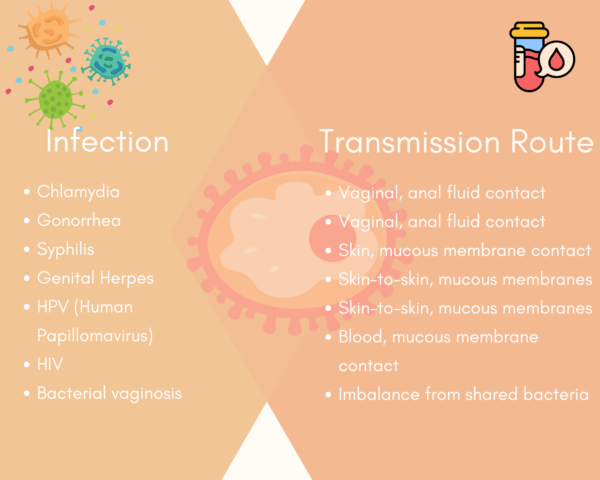
Some common infections that can be passed through shared or unclean toys include:
Bacterial vaginosis (less common, but can be a concern with vaginal health)
Even if it’s not “traditional” penetrative sex, bacteria and viruses don’t discriminate! They can be easily transmitted if toys go from one vagina to another, from anus to mouth (oral sex), or between partners.
Here’s a simple chart illustrating what can be passed through shared toys:
| STI/STD | Spread by Fluids | Skin-to-Skin Contact | Survives on Toys |
|---|---|---|---|
| Herpes | ❌ | ✅ | ✅ |
| Chlamydia | ✅ | ❌ | ✅ |
| Gonorrhea | ✅ | ❌ | ✅ |
| Syphilis | ❌ | ✅ | ✅ |
| HPV | ❌ | ✅ | ✅ |
Sharing is caring—except when it comes to bacteria, viruses, and funky infections! To keep spicing things up without giving out unwanted party favors, it’s important to keep toys clean, use condoms on toys, and avoid sharing when possible.
Understanding the Risks Linked To Sex Toys
Sex toys can add excitement and joy to life, but they come with some real health risks if not used carefully. Sharing or not cleaning toys properly can significantly increase the risk of spreading certain sexually transmitted infections (STIs).
The Science Behind STD Transmission via Toys
STIs can be passed from one person to another when sharing sex toys because viruses and bacteria can survive on the surface of toys. This is particularly true for non-porous materials like silicone, glass, or metal. If a toy comes into contact with bodily fluids—such as semen, vaginal fluids, or blood—it can carry infections like chlamydia, gonorrhea, herpes, syphilis, and even HIV or Hepatitis (specifically Hepatitis B and Hepatitis C).
When a sex toy is used by more than one person without cleaning it or changing a condom, the risk of spreading disease skyrockets. Some STIs, like herpes and HPV, can be present on skin and not just in fluids, so even “just the tip” can be risky. Using condoms on toys and giving them a good wash between partners drastically cuts the risk. Remember: no toy is immune just because it’s your favorite vibrator or dildo.
High-Risk vs. Low-Risk Scenarios
Some situations inherently carry more risk than others:
High-Risk Scenarios:
Sharing sex toys between partners without using a new condom or cleaning the toy first is high risk.
Anal toys, in particular, can carry more bacteria that increase the chance of infection.
If there’s any blood, sores, or cuts on the skin or sex toy, risks go up further, especially for diseases like Hepatitis B, Hepatitis C, and HIV.
Low-Risk Scenarios:
Using a sex toy solo and cleaning it well after every use makes it low risk.
Always using a fresh condom when sharing dramatically reduces risk.
Masturbating with objects that aren’t shared is very unlikely to result in an STI.
Toys made of non-porous materials are easier to clean and safer compared to porous ones like jelly rubber, which can hold onto bacteria even after washing.
In short: clean, cover, and don’t share if you want to keep things steamy—but not risky.
Personal Insight: A Close Call
I remember a time when my partner and I were so caught up in the moment, we nearly forgot our toy safety rules. We had just switched from vaginal play to anal, and were about to swap toys without cleaning! It was a quick “Wait!” moment, followed by a thorough wash and a fresh condom. It might have momentarily broken the flow, but it saved us a lot of potential worry later. It taught me that even in the heat of passion, a quick pause for safety is always worth it.
How STDs Spread Through Sex Toys: Mechanisms of Transmission
Sexually transmitted infections can hitch a ride on more than just skin and fluids. Bacteria and viruses cling to sex toys, making cleaning and good habits extra important for safer sex.
Direct vs. Indirect Transmission
STDs can be transmitted in two main ways when it comes to sex toy use:
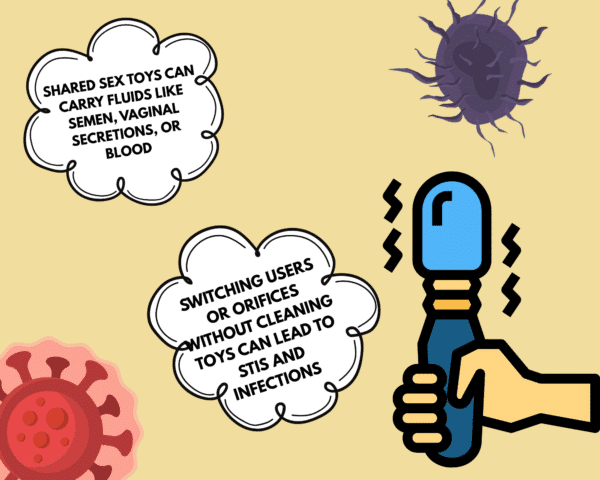
Direct transmission means an infection moves from person to person through a sex toy that carries body fluids, like semen, vaginal fluids, or blood. This most often happens if two people share toys without cleaning them first.
Indirect transmission takes place when someone touches a contaminated toy and then touches their own mouth, genitals, or anus. Even without penetration, bacteria and viruses can stick to fingers or surfaces and spread from there. That’s why thorough cleaning and a little caution go a long way.
Simple steps cut down risk. Always clean your sex toys with warm water and a good sex toy cleaner after every use. If sharing toys, put a new condom over the toy for each person and change it between partners or body parts. Use a water-based lubricant if using condoms, as oil can break them down and leave everyone less protected.
Most Common STDs Linked to Toys (And How They Persist)
Not all sexually transmitted infections are created equal—some love to linger on sex toys more than others. The most common bacterial infections spread by toys include chlamydia and gonorrhea. Viruses like herpes simplex and HIV can also stick around, especially if blood or open sores are involved.
Here’s a quick table of common infections and their risks with sex toys:
| STD | Bacterial or Viral | Can Survive on Toys? | Special Precautions |
| Chlamydia | Bacterial | Yes | Clean thoroughly, use condom on toy |
| Gonorrhea | Bacterial | Yes | Same as above |
| Herpes Simplex | Viral | Yes | Avoid sharing if sores present, clean, use condom on toy |
| HIV | Viral | Rarely, but possible | Clean toys, avoid sharing, especially with blood exposure |
Regular cleaning, using condoms over toys, and not sharing between partners helps reduce the risk of STI transmission. Consider getting a new toy if you’re unsure it’s clean. With some simple habits, it’s easy to protect your sexual health without killing the mood.
How to Prevent STD Transmission From Sex Toys: Your Safety Playbook
Safer sex doesn’t have to kill the mood—just a few smart choices can significantly reduce the risk of STI transmission during sex toy use. Picking the right materials, practicing thorough cleaning, and following simple sharing rules are key to protecting your sexual health.
A. Choose the Right Materials
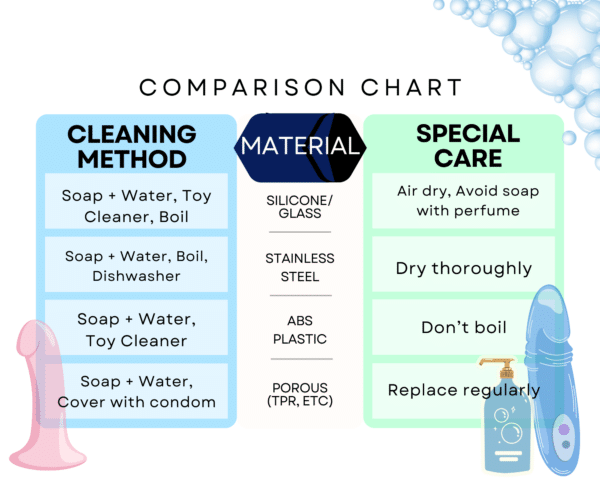
When picking out sex toys, material matters—some are safer and easier to clean than others. Non-porous materials like silicone, glass, stainless steel, and hard plastic are best. They don’t absorb bacteria, viruses, or fluids, making them much easier to disinfect after use.
Porous toys—like those made from jelly, rubber, or some cheaper plastics—can trap bacteria even after washing. That means germs can hang around, just waiting for their next ride. For people who love a particular porous toy, always use a condom over the toy and change it with every partner.
Look for toys that say “body safe” or “medical grade.” These labels can help make safer sex toy choices and help reduce the risk of STI transmission during sexual activity. If in doubt, ask staff at a reputable adult store for advice—they usually know their stuff. You can also research more about sex toy materials and safety from trusted sources like Good Housekeeping.
B. Cleaning & Disinfecting Toys
Properly cleaning toys after every use is the best defense against bacteria and viruses. Wash toys with warm water and mild soap as soon as possible after sexual activity. Pay extra attention to any grooves or textures where germs might hide.
For added peace of mind, many sex toys can also be boiled for 3–5 minutes or placed in the dishwasher (top rack, no soap) if the material allows. Some companies even make special sex toy cleaners—just check that it’s safe for your toy’s material.
Remember: clean your sex toys between users, partners, or different types of sexual acts (like switching from anal to vaginal play). If unsure, check the manufacturer’s cleaning directions. Nothing says “I care” like a thorough cleaning!
C. Smart Sharing Rules
Sharing can be caring, but sharing sex toys without precautions can transmit STDs just as easily as unprotected sex. Always put a new condom over the toy before use with a new partner—especially if switching between partners or between anal, vaginal, or oral use.
Don’t forget: a fresh condom for each person and each type of sexual activity helps reduce the risk of transmitting bacterial and viral infections. Water-based lubricants work best with condoms, and help prevent them from tearing.
Never share toys if there are cuts or sores on the skin, as this increases risk. Encourage everyone to wash hands before and after, and properly clean the toy after every use. If sharing is frequent, consider separate toys for each person or color-code toys for everyone’s safety—because nothing says “party” like STD precautions!
How Long Can STDs Live on Sex Toys? (And How to Kill Them)
Bacteria and viruses don’t last forever on surfaces—but some stick around just long enough to cause trouble. Here’s what science says about common STDs and sex toys:
| STD/STI | Survival Time on Toys* | Key Risks | How to Neutralize It |
|---|---|---|---|
| Herpes (HSV) | Up to 72 hours (on plastic/silicone) | Skin-to-toy contact, even without symptoms | Wash with soap + water, or use a 10% bleach solution (for non-porous toys) |
| HPV | Days to weeks (porous materials) | Warts or asymptomatic shedding | Non-porous toys only; condoms reduce risk |
| HIV | Minutes to hours (dies quickly outside body) | Only risky with fresh blood exposure | Soap + water is sufficient |
| Chlamydia/Gonorrhea | Several hours | Survives in vaginal/anal fluids | Disinfect with boiling water or toy cleaner |
| Syphilis | Up to 24 hours | Rare but possible with open sores | Wash thoroughly; avoid sharing if sores are present |
Source: CDC Guidelines on STI Transmission
Note: Non-porous materials (silicone, glass) harbor germs for shorter times than porous ones (jelly rubber, TPE).
Pro Tip:
If you’re sharing toys, clean them right after use—don’t let them sit overnight. Germs party harder when leftovers are involved.
Step-by-Step Deep Cleaning Guide
How to Disinfect Sex Toys Like a Pro
Because “good enough” cleaning won’t cut it for STI prevention.
For Non-Porous Toys (Silicone, Glass, Metal):
Wash Immediately: Use warm water and mild soap post-use. Scrub crevices with a soft toothbrush.
Sanitize (Pick One):
Boil: Submerge in rolling water for 5+ minutes (check manufacturer guidelines first).
Bleach Soak: 10% bleach solution (1 part bleach to 9 parts water) for 10 minutes. Rinse thoroughly.
Dishwasher: Top rack, no detergent (heat-dry cycle kills germs).
Dry Completely: Pat with a clean towel or air-dry to prevent bacterial growth.
For Porous Toys (Jelly, TPE, Rubber):
Condom Required: Always cover with a fresh condom (per use).
Surface Clean Only: Soap + water, but know germs may linger. Replace every 3–6 months.
Pro Tip:
Label toys “A” (anal), “V” (vaginal), or “O” (oral) to avoid cross-contamination and always use the correct type of lubricant for your toys.
Common Myths Debunked: Sex Toys & STDs
When it comes to sex toys and STDs, myths tend to spread faster than the latest viral dance trend. Let’s clear up some of the most common misunderstandings with facts that empower you to play safely.
| Myth | Fact |
|---|---|
| You can't get an STD from a sex toy. | Actually, sex toys can carry and transfer bacteria or viruses if shared or not cleaned properly. Many STDs, such as chlamydia, herpes, and HPV, can live on the surface of toys for a short time. |
| Washing with water is enough. | Just rinsing a toy is not always enough. Most toys need to be cleaned with soap and water, and some even need special cleaners or boiling, depending on the material. Remember, toys need a bath too! |
| Using a condom is only for people, not toys. | Condoms are great for covering sex toys, especially if sharing. They make cleanup easier and add an extra layer of safety. Change condoms if switching partners or body parts—no partner likes sloppy seconds. |
| If a toy looks clean, it’s safe. | Many infections are not visible to the naked eye. A toy could look sparkling but still harbor germs. It pays to clean toys thoroughly after every single use. |
Being careful with sex toys doesn’t ruin the fun—it just means the party goes on, worry-free.
Expert Quotes on Sex Toy Safety
What Doctors Say About STD Risks & Sex Toys
We reached out to sexual health professionals to cut through the noise. Here’s their unfiltered advice:
“I’ve treated patients for herpes and HPV transmitted through shared toys. The biggest risk factors? Porous materials and ‘quick rinses’ instead of proper cleaning.”
— Dr. Alicia Thompson, OB-GYN
(Source: Interview with Journal of Sexual Medicine, 2024)
“Condoms on toys aren’t just for STI prevention—they also reduce UTIs and bacterial vaginosis. Think of them as disposable gloves for pleasure.”
— Dr. Marcus Chen, Infectious Disease Specialist
*”Glass and medical-grade silicone toys are the gold standard. They survive boiling, which kills 99.9% of pathogens—something jelly toys can’t handle.”*
— Sex Educator Lena Diaz, Planned Parenthood
Key Takeaway:
Experts unanimously recommend non-porous materials + condoms + thorough cleaning as the “Holy Trinity” of toy safety.
Conclusion: Play Smart, Stay Safe, Enjoy More
Anyone can enjoy sex toys and keep things safe with a few simple habits. Most STIs can spread through sex toys if they are shared or not cleaned well. This doesn’t mean people should put the brakes on their pleasure—just take some basic, effective steps to reduce the risk.
Key safety tips to remember:
Always wash sex toys before and after every use.
Use condoms on toys if sharing, and change them between partners or body parts.
Pay attention to cracks, porous materials, or rough edges that can trap germs.
Let toys dry fully before putting them away to prevent bacterial growth.
Get tested for STIs regularly, especially if you have multiple partners or share toys. Learn more about STI testing and prevention from the CDC.
Even though sex toys can carry some risks, they can also bring immense fun, connection, and self-discovery. Playing safe just means more chances to enjoy the moment—and fewer unwanted surprises!
A little cleaning might not be the hottest part of the night, but it’s a small price to keep the good times rolling. Don’t let germs be the party guests who never leave.
When in doubt, ask a doctor or a sex therapist for advice. You deserve pleasure without worry—and a little care goes a long way.
Ready to Upgrade Your Safe Play? Explore Premium Sex Toys & Cleaners!
At orgasmicdeals.com, we believe pleasure should always be safe and worry-free. That’s why we offer a curated selection of body-safe sex toys made from non-porous materials, along with effective and gentle sex toy cleaners.
Click below to shop our hand-picked collection and ensure your pleasure remains pure:
| Product Category | Best For | Features |
|---|---|---|
| Silicone Vibrators | Versatile pleasure, easy cleaning | Body-safe, non-porous, durable |
| Glass Dildos & Plugs | Hypoallergenic, temperature play, easy sanitize | Non-porous, elegant, can be heated/cooled |
| Sex Toy Cleaners | Essential hygiene, extending toy life | Specifically formulated, gentle on materials, effectively removes bacteria |
Wicked Simply Cleene Anti-Bacterial Sex Toy Cleaner
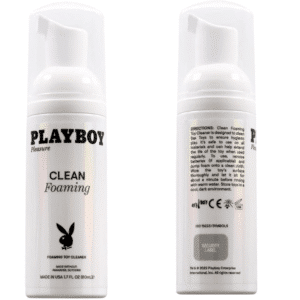
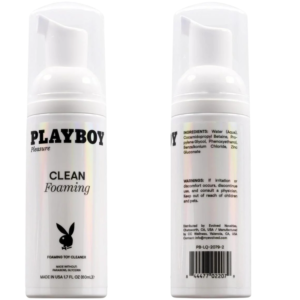
Regular:Playboy Clean Foaming Toy Cleaner Anti-Bacterial Solution For Sex Toys
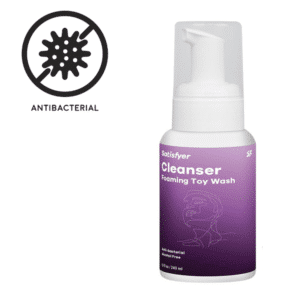
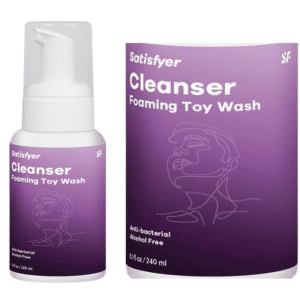
Regular:Satisfyer Women Cleansing Disinfectant Foam Toy Cleaner 8.1oz
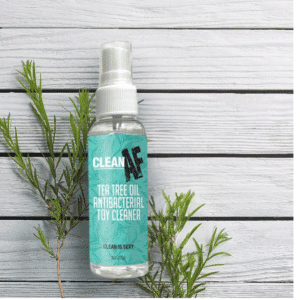
Regular:Clean Af Tea Tree Spray Travel-Size Sex Toy Cleaner Germ Removal
Regular:FAQ Section

Yes, STDs like herpes, HPV, and bacterial infections can spread through shared or poorly cleaned sex toys. Always clean toys between uses and use condoms when sharing.
It varies: Herpes survives up to 72 hours on plastic, while HIV dies within hours. Non-porous materials (silicone, glass) are safer because they’re easier to disinfect.
Yes! Condoms reduce STD risk when sharing toys. Change the condom between partners or when switching from anal to vaginal use.
Yes, if the toy was used by someone with HPV and not sanitized.
Use soap + water (non-porous) or a 10% bleach solution (check material first).
Very unlikely, unless you had an STD before using it and reinfected yourself.
Medical-grade silicone, glass, and stainless steel (non-porous, easy to clean).
Don’t compromise on your sexual health. Shop smart, play safe, and unlock new levels of pleasure with www.orgasmicdeals.com


Add comment
You must be logged in to post a comment.