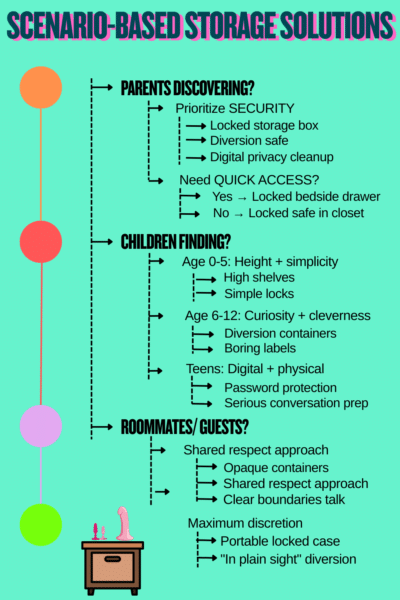
Best ways to hide your sex toys start with acknowledging that privacy in a shared home can feel challenging, but with thoughtful strategies, you can maintain both discretion and peace of mind. According to data from the American Sexual Health Association (ASHA), over 50% of adults aged 18-35 have used a sexual wellness product, yet many report anxiety about storage and discovery. This guide provides evidence-based, empathetic solutions that prioritize your privacy, safety, and emotional comfort.
Key Principles:
Discretion: Choose spots that don’t invite curiosity.
Security: Protect items from accidental discovery.
Accessibility: Keep items reasonably accessible for you.
Hygiene: Store items properly to maintain safety and longevity.
Choosing the Best Spots to Hide Your Sex Toys
Finding the right location requires strategic thinking. The goal is balancing easy access for you with maximum privacy from others.
Selecting Low-Traffic Areas
Areas people rarely visit naturally lower discovery risk. The back of closets, high shelves in unused cabinets, or storage bins with seasonal clothing are excellent choices. Research from organizational psychology suggests that “out of season, out of mind” storage significantly reduces the likelihood of accidental encounters with stored items.
Effective low-traffic spots:
Storage boxes labeled “Winter Clothes” or “Old School Supplies”
Suitcases stored in closets or under beds
The top shelf of a linen closet behind towels
Balancing Accessibility and Privacy
Your storage should be convenient enough for you but secure enough to prevent others’ access.
Practical solutions include:
Locked bedside drawers: Quick access with added security
Portable lockboxes: Can be moved as needed
Diversion safes: Items made to look like everyday objects (soda cans, books) with hidden compartments
Discreet Storage Solutions
Lockable Storage Boxes
These provide physical security through key or combination locks. Many include compartments for organization and are designed to be low-profile. For optimal hygiene, the Centers for Disease Control and Prevention (CDC) recommends storing intimate items in clean, dry containers separate from other personal items.
Benefits:
Physical security barrier
Protection from dust and damage
Often fits discreetly in drawers or closets
Hidden Compartments
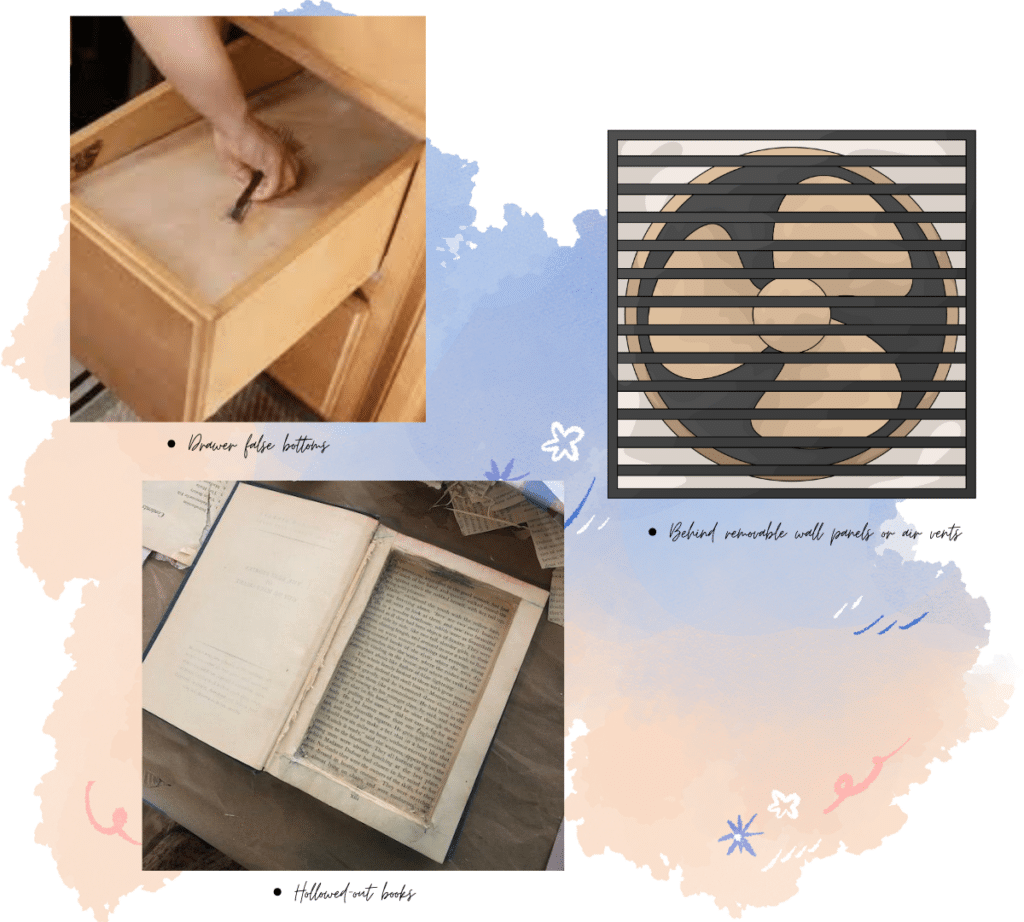
Furniture with built-in hidden spaces or DIY modifications offer excellent concealment. These might include:
Drawer false bottoms
Hollowed-out books
Behind removable wall panels or air vents
Pro tip: When creating hidden compartments, ensure they’re in dry areas to prevent moisture damage to toys.
Unconventional Containers
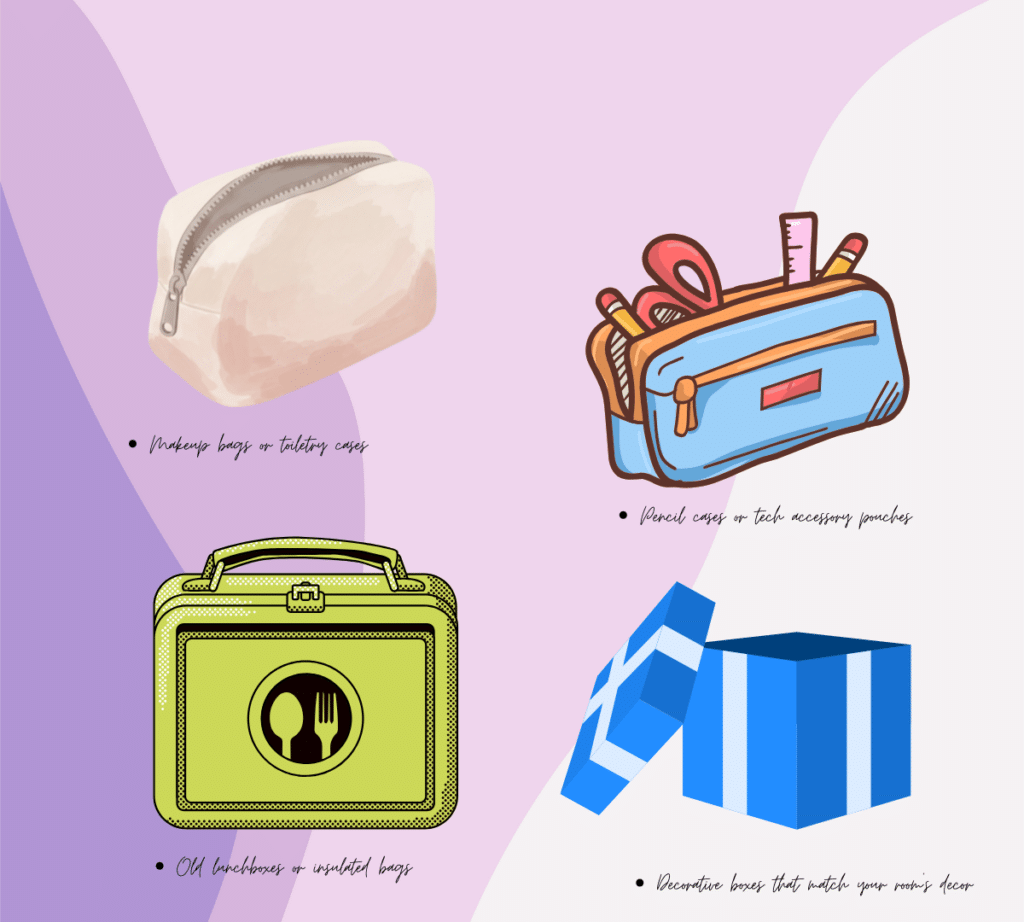
Everyday items can serve as perfect camouflage. The key is choosing containers that don’t stand out.
Effective options:
Makeup bags or toiletry cases
Pencil cases or tech accessory pouches
Old lunchboxes or insulated bags
Decorative boxes that match your room’s decor
Creative Everyday Hiding Places
Inside Closets and Clothing
Closets offer numerous hiding opportunities among personal items that typically don’t attract attention.
Smart closet strategies:
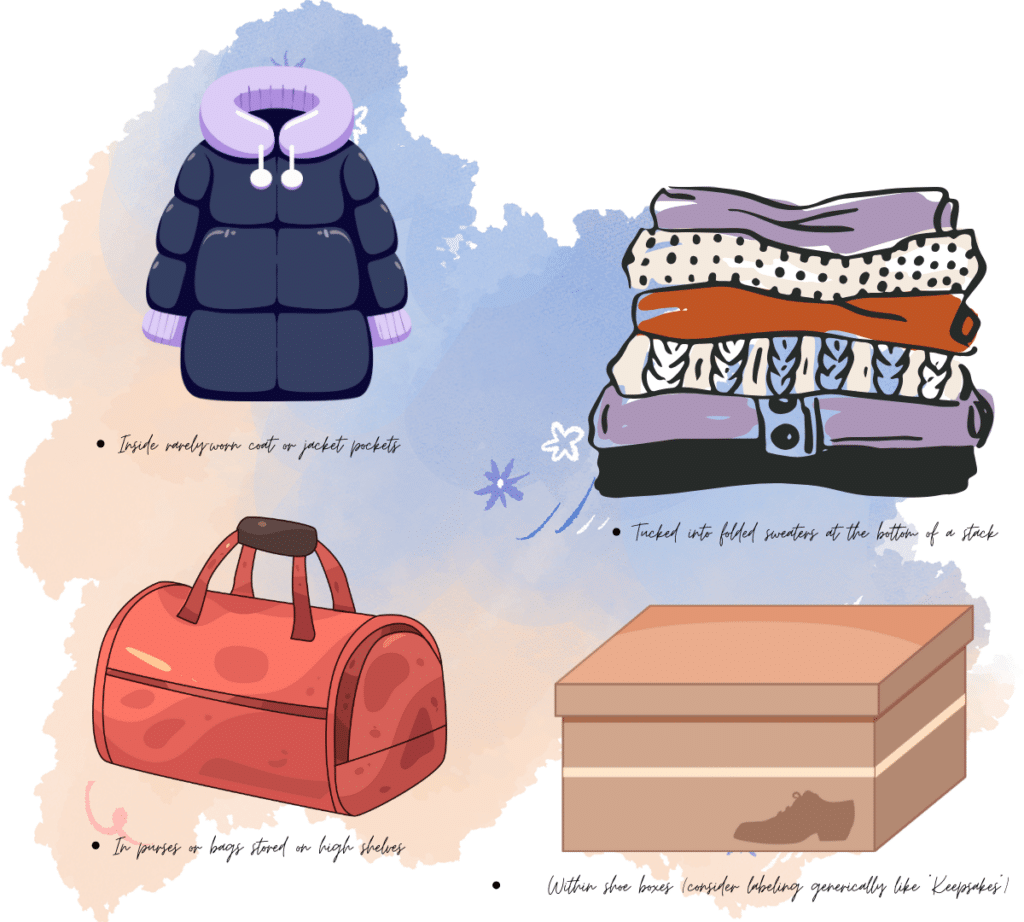
Inside rarely-worn coat or jacket pockets
Tucked into folded sweaters at the bottom of a stack
In purses or bags stored on high shelves
Within shoe boxes (consider labeling generically like “Keepsakes”)
Within Furniture Drawers
Transform ordinary drawers into secure spaces with simple additions.
Enhanced drawer solutions:
Add a small lock to an existing drawer
Use a lockbox placed inside a drawer
Create a false bottom using cardboard or thin wood
Store in plain envelopes or unmarked boxes among other items
Important hygiene note: According to Planned Parenthood’s guidelines, toys should be stored in breathable bags (like cotton) rather than airtight plastic if not completely dry to prevent bacterial growth.
Inside Luggage or Storage Boxes
Items already designated for storage make ideal hiding places because they’re rarely opened unexpectedly.
Best practices:
Use luggage stored in closets or under beds
Choose storage boxes labeled with boring descriptions
Place items in sealed bags within these containers for added hygiene
Portable and On-the-Go Concealment
Travel Cases for Sex Toys
Specially designed cases offer protection, organization, and discretion. Look for:
Odor-proof and waterproof materials
Separate compartments to prevent damage
- Designs resembling ordinary tech or makeup cases
Discreet Pouches and Bags
Soft pouches provide flexible, low-profile options perfect for daily use or travel.
Features to seek:
Odor-resistant fabrics
Drawstring or zipper closures
Neutral colors and patterns
Size that fits inside larger bags without bulging
Recommended Stoarge for Sex Toy:
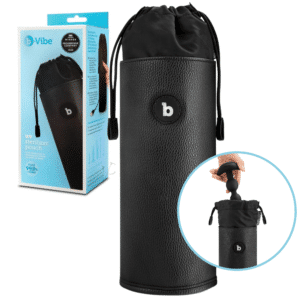
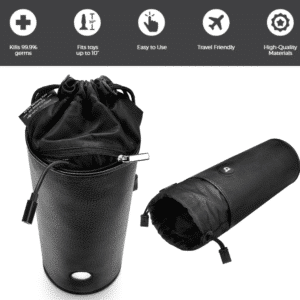
B Vibe Uv Sterilizer Anal Hygiene Accessory Travel-friendly Storage For Sex Toys
Xplay Gear Ultra Soft Gear Bag Storage For Sex Toys
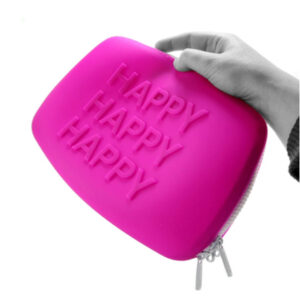
Regular:P-Happy Rabbit Wow Storage Zip Bag For Sex Toys
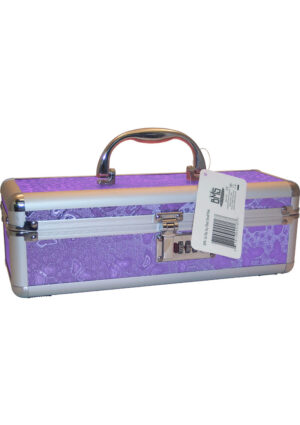
Regular:Lockable Vibrator Case Storage for Sex Toys Medium
Regular:Choosing Discreet Sex Toys
Toys That Blend In as Everyday Items
Many manufacturers now design toys resembling common objects—a smart choice for discretion.
Examples include:
USB drive-shaped toys
Massagers that look like back massagers
Selecting Quiet and Compact Designs
Noise reduction is crucial for privacy in shared spaces.
Considerations:
Look for “whisper quiet” or “silent” marketing claims
Choose smaller, more concealable sizes
Opt for simple designs without flashy colors
Select rechargeable toys to avoid battery compartment noises
Practical Organization and Maintenance
Keeping Track of Hiding Spots
When using multiple locations, organization prevents confusion and anxiety.
Simple tracking methods:
A password-protected note on your phone
A physical key (for lockboxes) stored with other keys
Consistent placement habits (always in the same type of location)
Cleaning and Storing Safely
Proper maintenance ensures both hygiene and longevity of your toys.
Evidence-based care routine:
Critical reminder: Always follow manufacturer instructions for cleaning specific materials (silicone, glass, metal, etc.), as improper cleaning can damage toys and potentially cause health issues.
Digital Privacy & Discreet Purchasing
Physical storage is only part of privacy protection. Your digital footprint matters too.
Essential digital discretion steps:
Use private browsing modes when shopping or researching
Check retailer shipping policies for plain packaging options
Review billing descriptors before purchasing (some use discreet company names)
Consider prepaid cards for anonymous purchases
Use secure passwords on all devices
What If Someone Finds Your Toys? A Prepared Response
Despite best efforts, discoveries sometimes happen. Having a calm response prepared can reduce anxiety.
If discovered by parents:
Option 1 (Assertive): “This is a private item, and I’d appreciate if we could respect each other’s personal space.”
Option 2 (Educational): “I’m learning about my sexuality responsibly. Can we talk about privacy boundaries?”
If discovered by siblings or roommates:
“These are my personal items. I trust we can both respect each other’s privacy.”
Remember: According to psychologists specializing in adolescent development, calm, prepared responses are more effective than reactive ones in maintaining relationships and personal boundaries.
FAQs
A locked safe or lockbox is most secure. For added discretion, place it inside a larger, uninteresting container like a storage tote.
Use quiet toys, play background music or white noise, place a towel under your door, and use during times when others are typically occupied or away.
Store them separately in breathable bags to prevent material reactions and cross-contamination. Different materials (silicone, jelly, metal) should never touch during storage.
Recycle discreetly by breaking down boxes and mixing with other recycling. Remove any labels with personal information first.
If you can access your items when needed without anxiety about discovery, and if they remain clean and undamaged, your method is working.


Add comment
You must be logged in to post a comment.