


Pelvic Floor Exercises to Improve Orgasm Strength & Bladder Control (Kegels Guide)
Pelvic floor problems affect millions worldwide, causing issues like bladder leaks, pelvic organ prolapse, and reduced sexual satisfaction that impact daily confidence and quality of life. Kegel exercises strengthen these muscles through targeted tightening and releasing, preventing urine leakage, enhancing bladder control, and boosting sexual health for all genders. Simple to learn with no equipment needed, consistent daily practice yields improvements in 6-8 weeks for most people.
Key Takeaways
Pelvic floor muscles support bladder, bowel, and reproductive organs; weakness leads to leaks and prolapse.
Kegels involve 3-5 second squeezes followed by relaxation; aim for 3 sets of 10 daily.
Benefits include stronger orgasms, better bowel control, and reduced pelvic pain with regular practice.
Pelvic Floor Anatomy and Core Role
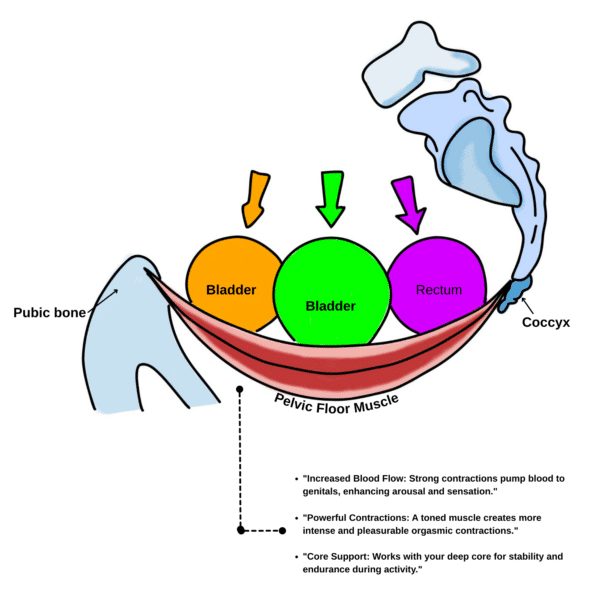
Pelvic floor muscles stretch like a hammock from pubic bone to tailbone and sit bones, forming the base that supports pelvic organs including bladder, uterus (in women), and rectum. Key components like the levator ani and coccygeus muscles close off the pelvic cavity bottom, with openings for urethra, vagina (women), and rectum to allow normal functions. They integrate with diaphragm, deep abs, and back muscles for core stability, lowering on inhale and lifting on exhale to manage abdominal pressure.
The National Institute of Diabetes and Digestive and Kidney Diseases (NIDDK) explains how these muscles prevent incontinence by supporting the urethra; weakness from pregnancy or aging increases risks. Strong pelvic floors maintain pelvic alignment, reducing back pain and improving posture.
Functions in Bladder, Bowel, and Sexual Health
These muscles control bladder and bowel openings, contracting to prevent leaks and relaxing for elimination; weakened states cause urgency or incontinence. In sexual health, they boost blood flow, sensation, arousal, and orgasm intensity for both genders—in men aiding erections and ejaculation control.
University of Michigan research shows pelvic floor training enhances orgasm strength via improved genital circulation and tone, benefiting 70% of participants with dysfunction. Mayo Clinic studies confirm Kegels reduce stress incontinence by 60-80% post-childbirth.
Benefits of Pelvic Floor Strengthening
Strong muscles yield broad improvements in control, support, and pleasure.
| Benefit | Description | Evidence |
|---|---|---|
| Bladder/Bowel Control | Stops leaks during coughs/sneezes; reduces urgency. | 6-8 week improvements common. |
| Prolapse Prevention | Holds organs in place, countering risks from birth or obesity. | Supports bladder/uterus position. |
| Sexual Enhancement | Stronger orgasms, better erections, less intercourse pain. | Increases sensation for all genders. |
| Pain Reduction | Eases pelvic tension, back/hip discomfort. | Improves blood flow/posture. |
Harvard Health reports pelvic training prevents prolapse progression in mild cases.
How to Locate and Do Kegels
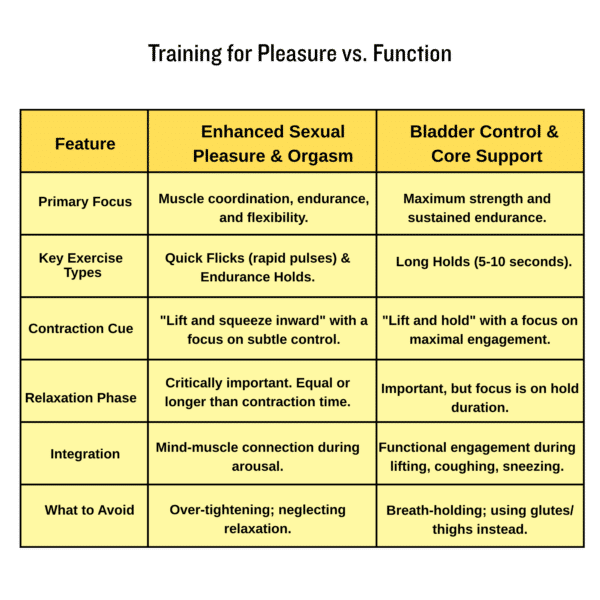
Stop urine midstream or imagine holding gas to identify muscles—feel a rectal/vaginal pull without thigh/butt tension. Squeeze inward/upward for 3-5 seconds, relax equally; repeat 10x, 3 sets daily, progressing to 10-second holds.
U.S. Department of Health & Human Services advises normal breathing and positions from lying to standing for progression.
Lying: Knees bent, focus purely.
Sitting: Feet flat, back straight.
Standing: Builds functional strength.
Common Mistakes to Avoid
Holding breath or tensing abs/thighs.
Skipping relaxation phase.
Overdoing reps early.
Beyond Kegels: Advanced Exercises
Bridge: Lift hips while squeezing pelvic floor; hold 3 seconds.
Squat: Natural engagement; focus form.
Diaphragmatic Breathing: Belly expands on inhale for relaxation.
Child’s/Happy Baby Pose: Stretches tight muscles.
Integrate into routines: Bridges while brushing teeth, breathing at desk.
Recommended Pelvic Exerciser:
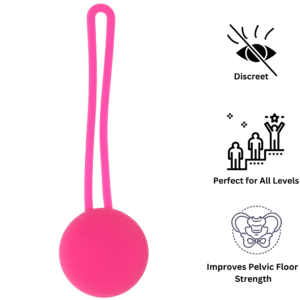
Bodywand Discreet Training Squeeze Single Silicone Kegel Balls Toner 37g
Regular:Satisfyer Yoni Power Advanced User Pelvic Floor Training with Ben Wa Balls

Regular:Weighted Kegel Ben Wa BallsSilicone With Retrival Cord
Regular:Fun Factory Smartballs Ben Wa Balls Kegel Exerciser

Regular:Troubleshooting and Safety
Stop if pain increases, signaling tight muscles needing relaxation over strength. Signs: Intercourse pain, urination start issues, constipation. Seek pelvic PT for assessment/biofeedback if no 6-week progress.
Special Considerations
Pregnancy/Postpartum: Gentle starts post-clearance; avoids straining.
Aging/Menopause: Slower progression; hormone consults.
NIH warns clearance for infections/surgery.
FAQs
Kegel exercises strengthen pelvic floor muscles, enhancing blood flow and muscle control during sexual activity. This leads to stronger orgasms and greater satisfaction for both men and women, with noticeable improvements often within 4-8 weeks of consistent practice.
Perform pelvic floor exercises 2-3 times daily, completing 10 repetitions per set with equal contraction and relaxation times. Start with 3-second holds and progress to 10 seconds as strength builds. Daily consistency maximizes results without risking fatigue.
Pelvic floor exercises are safe for most individuals when performed correctly. However, excessive practice may cause muscle tightness, leading to pelvic pain or discomfort. Consult a healthcare provider if symptoms worsen, and avoid exercises if muscles are already overactive.
Yes, these exercises effectively treat stress urinary incontinence, where leakage occurs during coughing, sneezing, or exercise. Studies show 60-80% reduction in symptoms after 6-8 weeks, particularly postpartum or post-prostate surgery
Track fewer urinary leaks, increased contraction hold times (from 3 to 10 seconds), and reduced urgency. Maintain a daily symptom log to monitor bladder control, bowel function, and sexual satisfaction improvements
Biofeedback uses sensors to display real-time muscle activity, ensuring correct contraction and relaxation. This tool improves technique accuracy, especially for those struggling to isolate pelvic floor muscles.
Begin gentle exercises after medical clearance from your obstetric provider, typically 6 weeks postpartum. Modify based on delivery type—vaginal tears or cesarean sections may need delayed or lighter routines.
If you’re interested in exploring different types or sizes of Ben Wa balls for pelvic floor training, you can find a selection on this page from Orgasmic Deals: Ben Wa Balls Product Category. This resource offers options suitable for beginners to advanced users, often including information on usage, materials, and safety.
Incorporating Ben Wa balls into your pelvic floor routine can be an effective way to diversify and deepen your training under guidance or alongside the exercises outlined in your article.
Routine Integration and Progress Tracking
| Week | Routine | Track |
|---|---|---|
| 1-2 | 3 sets basic Kegels daily. | Log leaks/urgency. |
| 3-4 | Add bridges/squats. | Note hold time. |
| 5-8 | Full integration; reverse Kegels. | Measure orgasm improvements. |
American Physical Therapy Association endorses biofeedback for precision.


Add comment
You must be logged in to post a comment.