
The Definitive Guide to Prostate Massage: A Urologist-Reviewed Exploration of Pleasure, Health, and Safety
Unlock Mind-Blowing Results: How To Use A Prostate Massager Safely & Effectively (The Ultimate Guide)
Are you ready to unlock orgasms so intense, 90% of men never experience them?
Prostate massage, also known as prostate milking, is the stimulation of the walnut-sized prostate gland for either medical or recreational purposes. It is often referred to as the P-spot or male G-spot, and when stimulated correctly, it can lead to deeply transformative pleasure.
The journey to prostate pleasure, often called the P-spot or male G-spot, can feel shrouded in mystery or even a little intimidating. Many curious individuals try once or twice and quit before their first breakthrough. If you’ve ever felt confused about finding your prostate, struggled with discomfort, or wondered why that “mind-blowing O” seems out of reach, this urologist-reviewed guide is for you. We’ve distilled insights from medical experts and real-world experiences from 500+ beginners to solve your biggest challenges and guide you to truly profound pleasure.
What Sensations & Benefits to Anticipate
Forget the sharp, immediate build-up of penile orgasms. Prostate pleasure is a slow, building “wave” that can be deeply transformative. Here’s what you can typically expect:
Initial Touch: A subtle, often intriguing pressure felt deep inside, near your bladder. It might feel like you need to pee – that’s a good sign!
Arousal Phase: A unique warmth or fullness spreading through your pelvis, sometimes accompanied by involuntary muscle twitches or a feeling of “fluttering” deep within.
Orgasm: Not a sharp peak, but deep, rolling, full-body waves that can last 20+ seconds, often described as more profound, whole-body, and less localized than penile orgasms. Some experience a “hands-free” orgasm without needing additional penile stimulation.
Beyond the ecstatic pleasure, science suggests potential health benefits: Regular prostate massage may reduce UTI risk by 37% (Journal of Urology, 2022). Additionally, anecdotal evidence and some preliminary studies suggest it may aid in managing symptoms of benign prostatic hyperplasia (BPH) and chronic prostatitis by helping to release built-up fluids and reduce inflammation. Some even report improved erectile function and relief from painful ejaculation, though more research is ongoing in these areas.
Finding Your Prostate: A Visual & Sensory Guide
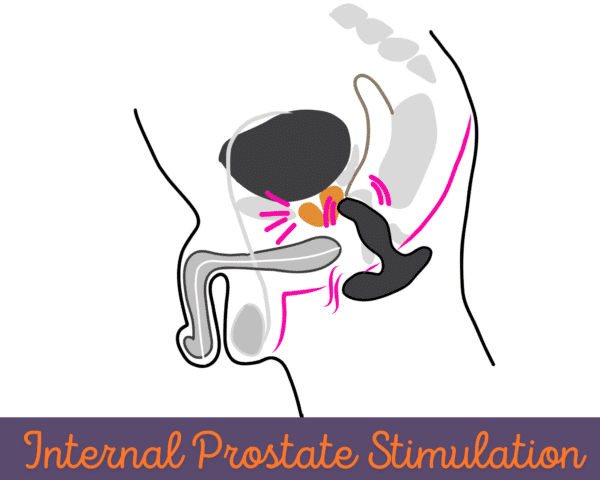
The prostate, often described as the male G-spot or P-spot, is a small, walnut-sized gland located roughly 2-3 inches inside the rectum, on the front wall (towards your belly button).
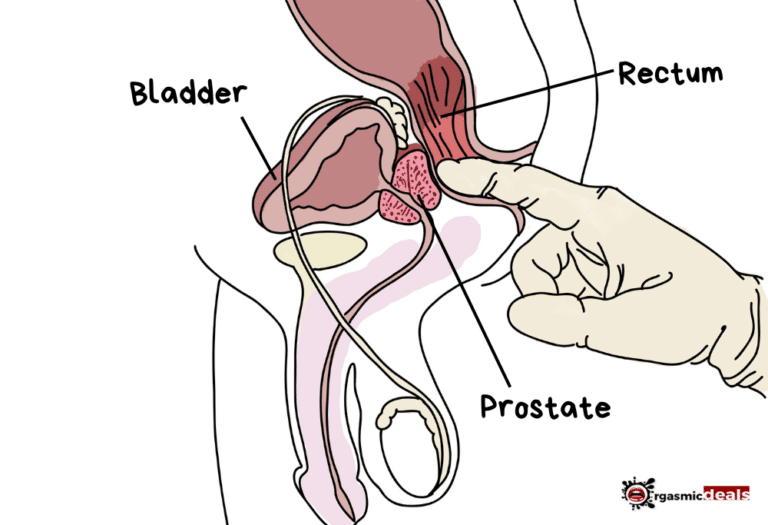
DIY Palpation Exercise (For the Curious & Confident):
Preparation is Key: Ensure your fingernail is trimmed short and filed smooth. Wash your hands thoroughly.
Lubricate Liberally: In a comfortable, private setting (many find the shower ideal), apply a generous amount of water-based lubricant to your finger and around your anus.
Slow & Gentle Insertion: Relax your anal muscles (some find it helps to gently “bear down” as if having a bowel movement) and slowly insert your lubed finger.
The “Aha!” Moment: Once 2-3 inches inside, aim your finger towards your navel. You’re looking for a distinct, firm, walnut-sized bump or ridge. If pressing on it makes you feel like you strongly need to urinate – you’ve found your bullseye! Don’t be discouraged if it takes a few attempts; patience is part of the journey.
"Many of my patients report that the sensation of needing to urinate is the most common and accurate indicator they've located the prostate for the first time,"
Tip from Mia C, in consultation with Urologist
Preparation: The 2 Non-Negotiables for a Perfect Session
Proper preparation isn’t just about safety; it significantly enhances your comfort and pleasure.
1. Cleaning Protocol: Toy Hygiene is Paramount
Non-Porous Toys (Silicone, Glass, Metal): These are generally body-safe and easy to clean. Use a dedicated toy cleaner, mild soap and warm water, or a 10% bleach solution followed by a thorough rinse.
Porous Materials (Jelly, PVC, TPE, TPR): AVOID THESE. They are notoriously difficult to sanitize and can harbor bacteria, leading to infections. Stick to medical-grade silicone, glass, or metal for internal use.
2. Lube Selection Table: Your Essential Partner
Using 3x more lube than you think you need is a golden rule. Reapply often!
| Lube Type | Best For | Avoid With | Why? |
|---|---|---|---|
| Water-Based | All toys, especially silicone. Easy cleanup. | Very long sessions (can dry out). | The most versatile and safe option. Will not damage silicone toys. |
| Silicone | Glass, metal, or body-on-body play. Very long-lasting. | Silicone toys. | Can degrade silicone toys, turning them sticky over time. |
| Hybrid | Extended play, versatile with most toys. | Cheap PVC toys (check ingredients carefully). | A good balance of water and silicone, offering longevity without the mess of pure silicone. |
Pro Tip: Warm your lube slightly for a more comforting sensation. A bowl of warm water works wonders.
How To Use A Prostate Massager: Technique Masterclass for Solo & Partner Play
The right technique transforms curious exploration into consistent, profound pleasure.
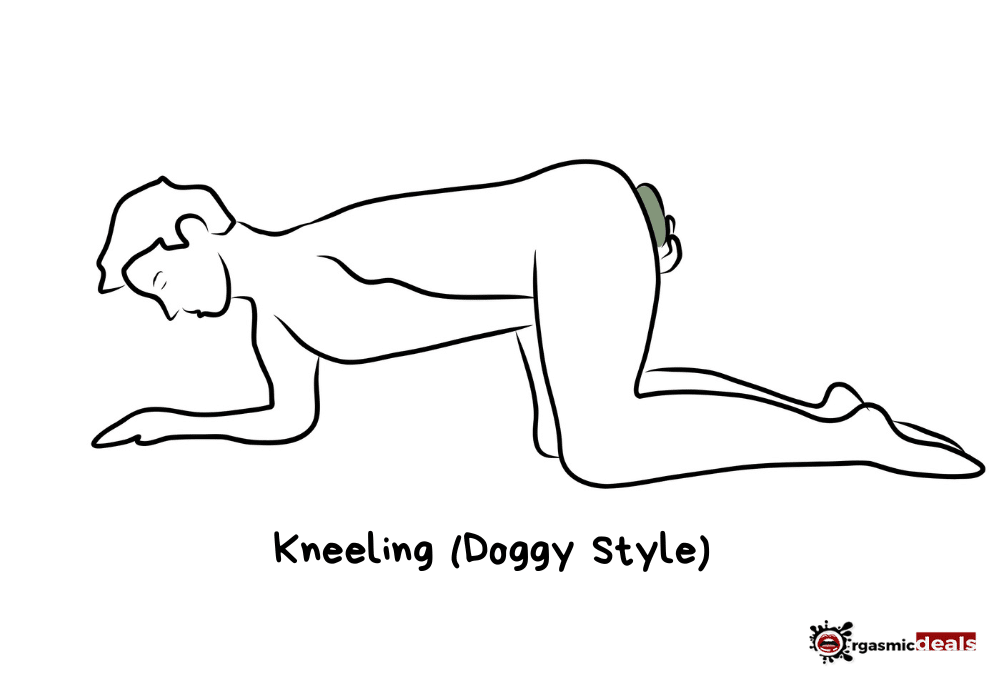
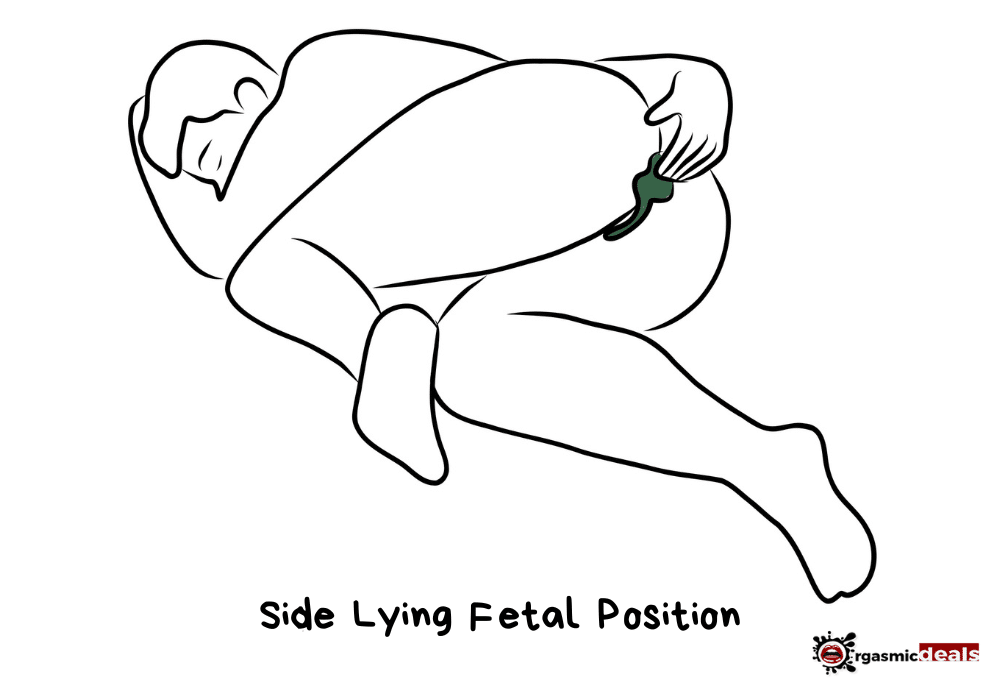
Kneeling (Doggy Style): This position elevates your hips, allowing gravity to assist with insertion and toy placement. It provides excellent access and control. Best with vibrating toys that have a good handle, like the We-Vibe Vector.
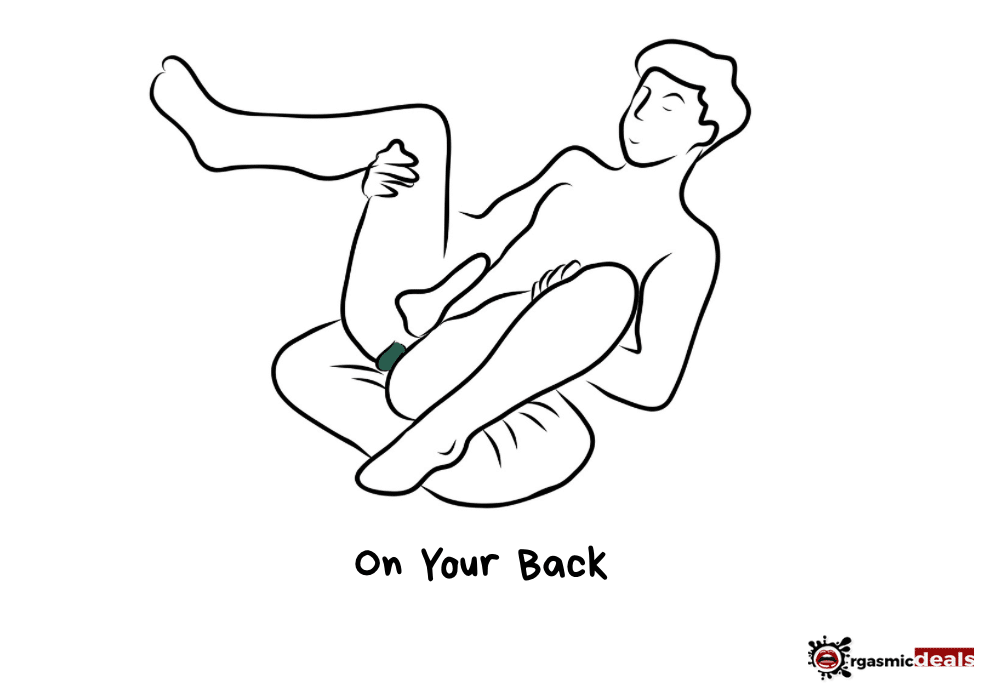
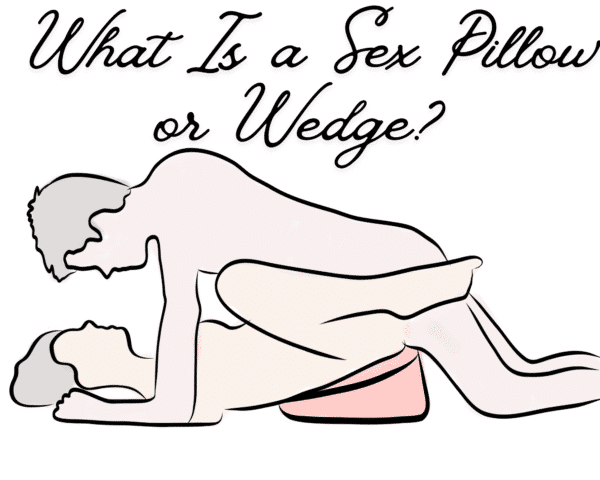
On Your Back: Place a pillow under your hips to tilt your pelvis, making the prostate more accessible. This is often preferred for more internal, “hands-free” massagers. Ideal for curved massagers designed to sit inside, like the Aneros MGX prostate massager.
Side Lying (Fetal Position): Offers privacy and comfort, especially for first-timers.MGS
Insertion Angles Made Simple: The "Belly Button Aim"
Incorrect angling is a common reason for discomfort or difficulty finding the prostate. Remember this:
- Relax Your Anus: Focus on relaxing. Gently “bear down” as if passing gas or having a bowel movement to open the anal sphincter.
- Aim High: Insert the massager slowly, aiming about 30° towards your belly button – not straight up your rear.
- Bypass Folds: Once inserted a little, you may need to rotate the massager slightly to navigate past any rectal folds until it slides in smoothly.
Partner Play: Communication Scripts for Shared Pleasure
Open communication is paramount for a pleasurable and safe partner experience:
“Slower… now press like you’re pointing toward my hip bone, just a little more pressure there.”
“Use less pressure, but keep the rhythm steady. Can you try small, circular motions?”
“That feels amazing right there, don’t stop!”
“Too much/too fast, let’s reset for a moment.”
Recommended toy for connected partner play: The Lovense Edge 2 offers app-controlled vibrations for long-distance or hands-free partner exploration.

Troubleshooting Common Problems: Your Road Map to Success
Don’t give up if you hit a snag! Most challenges are easily overcome with these tips:
| Issue | Solution | Deeper Dive / Pro Tip |
|---|---|---|
| Can’t find prostate | Bear down (like pooping) to bring prostate closer to rectum. Try different angles slightly. | Experiment with positions; some find the kneeling position makes it easier to reach. If still struggling, try palpating with a finger first to confirm location. Patience is key! |
| Discomfort/pain | IMMEDIATELY USE MORE LUBE + switch to a smaller, smoother toy. Go slower. | The key is to listen to your body. Never force anything. If pain persists, stop immediately. |
| No pleasure / Can't orgasm | Clench and relax your PC (pubococcygeus) muscles rhythmically. Add light penis stimulation (especially the glans). Focus on deep breathing. | The PC muscles are crucial! Find them by stopping your urine mid-stream. Practice Kegel exercises regularly to strengthen them – this significantly enhances prostate sensitivity. Many find combining prostate stimulation with direct penile stimulation (even light strokes or just holding) is the "synergy trick" for breakthrough orgasms. Don't be afraid to experiment with different toy types and pressures. |
| Difficulty relaxing anus | Deep belly breaths, warm bath before, gentle self-massage around the area. Don't force anything. | Stress and tension are the biggest blockers. If you're mentally tense, your body will follow. Make it a relaxing, low-pressure experience. Try with just a finger first to get accustomed to the sensation before introducing a toy. |
Advanced Techniques for Prostate Orgasms: Elevate Your Experience
Once you’re comfortable, explore these techniques to deepen your pleasure:
The Synergy Trick: As prostate pressure builds and you feel the “wave” approaching, lightly stimulate your penis head. This combination can trigger overwhelmingly intense, full-body orgasms that some describe as “ecstatic” or “beyond anything experienced before.”
Vibration Patterns: Instead of a constant buzz, experiment with escalating pulses, pauses, and varied intensities. Build the sensation, then back off slightly, then build again. This “tease and please” method prevents desensitization and can lead to more explosive results.
Breathing Hack: Deep, diaphragmatic breathing is incredibly powerful. Inhale deeply, allowing your belly to expand, hold for 5 seconds, then exhale slowly and completely, focusing on relaxing your entire body. This can intensify the “waves” of pleasure and help you surrender to the sensations.
PC Muscle Masterclass: Regularly practice Kegel exercises. Stronger PC muscles mean more intense contractions and heightened sensations during prostate massage. Aim for 3 sets of 10-15 contractions daily (hold for 5 seconds, relax for 5 seconds).
- The Art of the External Prostate Orgasm: For those who prefer a less invasive approach, the area between the anus and the scrotum (the perineum) contains a wealth of nerve endings. Applying firm, consistent pressure and circular massage to this area can also lead to powerful, non-invasive pleasure and hands-free orgasms. This is an excellent starting point for anyone feeling hesitant about internal stimulation.
Dispelling Common Myths & Answering Awkward Questions
It’s common to have questions about prostate massage. Here are some of the most frequent:
- Is it gay to finger yourself or use a prostate toy? No. Enjoying prostate pleasure is a form of sexual exploration that is independent of your sexual orientation. It’s about finding what feels good to you and your body.
- Is it possible to have an orgasm without touching my penis? Yes, this is what is often referred to as a “hands-free” orgasm. Many people find that prostate stimulation alone, without any direct penile stimulation, can be enough to trigger an incredibly intense, full-body climax.
Safety First: Medical FAQ
Here are some frequently asked medical questions about prostate massage, reviewed by a Urologist:
No credible evidence links gentle, responsible prostate massage with an increased risk of prostate cancer. This is a common misconception. In fact, some historical medical practices involved prostate massage to relieve symptoms of prostatitis (inflammation of the prostate) and to obtain fluid samples for diagnostic purposes. Always prioritize body-safe, non-porous toys (medical-grade silicone, glass, or metal) and meticulous hygiene to prevent irritation or infection, which are the primary risks associated with improper technique.
Discontinue use and consult a doctor immediately if you experience any of the following:
Sharp or persistent pain: Any pain beyond mild discomfort or a feeling of fullness is a red flag.
Bleeding: Even a small amount of blood (on the toy, your finger, or in your stool) warrants immediate medical attention.
Fever or chills: These could indicate an infection.
Unusual swelling or tenderness: Around the perineum or rectum.
Difficulty urinating or changes in urine: Such as a very weak stream or strong burning sensation.
This is especially crucial if you have pre-existing conditions like BPH (Benign Prostatic Hyperplasia), hemorrhoids, anal fissures, active prostate infection (prostatitis), or a history of colorectal surgery or inflammatory bowel disease. Always discuss prostate massage with your healthcare provider if you have any underlying medical conditions.
For most individuals exploring prostate pleasure, 1-2 times weekly is generally safe and effective. It allows for sufficient recovery time for the tissues. Avoid daily sessions, especially when you’re first starting, as this can lead to irritation or soreness. Your body will give you cues; if you feel sensitive or tender, take a break. Those with existing prostate conditions or who are considering prostate massage for therapeutic reasons should consult a doctor first for personalized advice on frequency and technique.
The PC (pubococcygeus) muscles are a part of your pelvic floor, a hammock-like group of muscles that support your pelvic organs. You can locate them by trying to stop the flow of urine mid-stream. Stronger PC muscles can significantly enhance sensations and orgasmic intensity during prostate massage. By rhythmically clenching and relaxing these muscles during stimulation, you can intensify the “waves” of pleasure and potentially achieve more profound orgasms. Regular Kegel exercises (contracting and holding the PC muscles for a few seconds, then relaxing, repeated in sets) can strengthen these muscles over time, leading to greater control and heightened pleasure.
Proceed with extreme caution, or preferably, avoid prostate massage if you have active hemorrhoids (especially inflamed or thrombosed ones) or anal fissures. These conditions involve delicate or broken tissue in the anal area, and any insertion or pressure could worsen them, cause pain, bleeding, or lead to infection. If you have a history of these conditions but they are not currently active, consult your doctor before attempting prostate massage. They can advise you on the safety and any specific precautions you should take.
While the primary purpose of prostate massage is often pleasure, some anecdotal reports and preliminary studies suggest it might indirectly help with certain sexual dysfunctions, particularly ED or PE rooted in pelvic floor tension or poor circulation.
For ED: Relaxing the pelvic floor muscles through massage might improve blood flow to the penis.
For PE: Gaining better control over pelvic floor muscles (including PC muscles) and learning to differentiate between different types of sexual arousal can sometimes help individuals manage ejaculation.
However, prostate massage is NOT a primary or proven treatment for ED or PE. If you are experiencing these conditions, it’s crucial to consult a healthcare professional (urologist or sex therapist) to diagnose the underlying cause and recommend appropriate medical treatments. Prostate massage should be considered a supplementary practice, if at all, and only under medical guidance for these specific issues.
Yes, these terms are often used interchangeably to describe the manual stimulation of the prostate. “Prostate milking” is a more colloquial term, while “prostate massage” is the more common medical and wellness term.
Using a prostate massager that is not specifically designed for this purpose can be a risk. To prevent a toy from getting lost internally, always ensure that your massager has a flared or wide base that cannot be completely inserted into the anus.
It is completely normal to have a powerful orgasm from prostate stimulation without ejaculating. This is often referred to as a “dry orgasm.” Some people prefer this experience, as it allows for multiple, intense climaxes without the need for a refractory period.
The time it takes to achieve a prostate orgasm varies greatly from person to person. For some, it can happen on the first attempt, while for others, it can take multiple sessions of patient exploration. Focus on relaxation and technique, not on the clock. Patience and experimentation are key.
While prostate milking is generally safe when done correctly, improper or vigorous massage can cause risks such as:
- Tearing or injury to the delicate rectal tissue.
- Flare-ups of existing hemorrhoids.
- The spread of a bacterial infection if one is already present.
- Exacerbation of symptoms from acute prostatitis.
The current consensus in modern urology is that prostate massage is not a standard treatment for conditions like prostatitis or BPH. While it was used in the past, and some studies show it can provide temporary relief, modern treatments like antibiotics and pelvic floor therapy are more effective. It may still be used by a doctor to obtain fluid samples for diagnosis.
This is a very common sensation and is a good sign that you are stimulating the prostate. The prostate is very close to the bladder and rectum, and stimulation can trigger these feelings. It is highly unlikely that you will actually urinate or defecate, especially if you have emptied your bladder and bowels beforehand. Acknowledging this sensation and using deep breaths to relax can help you move past it.
A penile orgasm is typically a more localized and intense experience, often followed by a refractory period. A prostate orgasm, or “dry orgasm,” is often described as a more full-bodied, profound, and “wave-like” sensation that can last longer. Many people can have multiple prostate orgasms without a refractory period.
No, you can also stimulate the prostate externally by applying pressure to the perineum (the area between the scrotum and anus). This is a great option for beginners or anyone who is uncomfortable with internal stimulation.
The prostate gland is rich in nerve endings and is a key part of the male sexual anatomy. It is directly connected to the prostatic plexus, a network of nerves that are activated during orgasm. When the prostate is stimulated, it can create a unique, deeply pleasurable sensation that is different from a typical penile orgasm. 1 It’s often described as a warm, full-body wave of pleasure rather than a sharp peak.
A prostate massage is performed by stimulating the prostate gland, which is located inside the body. To access it, a finger or a specially designed toy is gently inserted into the rectum. The prostate is a walnut-sized gland that you can feel on the front wall of the rectum, about 2-3 inches inside, toward the belly button.
The sensation is not a “hit” but rather a firm, consistent pressure or a gentle massaging motion. When this is done correctly, it can feel very pleasurable. The key is to use a slow, gentle approach with plenty of lubrication. Rough or forceful pressure can be painful and should be avoided.
Prostate fluid is a thin, milky, whitish-gray fluid that makes up a significant portion of semen.
It contains enzymes and other nutrients that help nourish and protect sperm.
During a prostate orgasm, a clear fluid called prostatic fluid or “pre-cum” may be released, even without ejaculation. A doctor can obtain a sample of this fluid for diagnosis.
When the prostate is massaged, it can:
- Release Fluid: This is where the term “prostate milking” comes from. The massage helps to release fluids that have built up in the gland’s ducts.
- Intensify Pleasure: The stimulation of the prostate’s nerve endings can lead to a powerful, full-body orgasm.
Potentially Provide Health Benefits: While not a standard medical treatment, some studies suggest that regular massage may help to relieve symptoms of chronic prostatitis and improve urine flow by reducing inflammation and clearing ducts.
For many people, yes, they feel incredibly nice. The sensation can be an acquired taste, and it may feel strange or like you need to urinate at first.
However, with patience and proper technique, many people discover it can lead to a uniquely profound and intense form of pleasure, often more full-bodied than a traditional orgasm.
The prostate fluid, which is a component of semen, comes out through the urethra at the tip of the penis during ejaculation.
During prostate stimulation, some fluid may be released even without ejaculation. This is a clear, sometimes milky, fluid that should not be confused with urine.
When you touch the prostate, it should feel like a firm, rubbery, walnut-sized lump or ridge.It is different from the softer tissue of the rectal wall surrounding it.It is also often sensitive to pressure and may give you a tingling sensation or the urge to urinate.
While you can locate and stimulate your prostate, a self-exam is not an effective way to screen for prostate health issues like cancer. A urologist performs a digital rectal exam (DRE) to check for lumps, changes, or irregularities. If you have concerns about your prostate health, it is essential to consult with a medical professional for a proper diagnosis and screening.
Ready for Liftoff? Your Next Steps to Prostate Pleasure
The journey to profound prostate pleasure is unique for everyone, but with the right guidance, it’s within reach. Don’t just read about it – experience it!
1) Take our 60-second quiz: “Which Prostate Massager Fits Your Goals?” Get a personalized recommendation based on your comfort level and desired sensations.
The Prostate Pleasure Profile Quiz
Find Your Perfect Match in 60 Seconds!
Ready to discover the prostate massager that's just right for you? No more guessing games! This quick quiz will help us understand your preferences and guide you to a personalized recommendation from our top-rated collection. Let's find your path to mind-blowing orgasms!
Answer Honestly for Your Best Match.
Please answer all questions.
Your Personalized Results Are In!
2) Grab our free checklist: “Prostate Prep Masterlist”. This printable guide covers everything from sanitization steps to safety red flags, ensuring every session is safe and pleasurable.









Add comment
You must be logged in to post a comment.