

Lesbian Sex, First Time Sex Tips: Your Fun and Foolproof Guide to a Satisfying Start
Feeling nervous about your first time having lesbian sex? You’re not alone—many women and people in the LGBTQIA and sapphic communities have the same jitters and questions that you do. The most important thing to know is that lesbian sex isn’t about following a rulebook; it’s about comfort, trust, and exploring what feels good for both of you.
Every queer experience is unique, so your first lesbian experience should be about honesty, consent, and pure curiosity instead of pressure to impress. Which tips will make your first time memorable and fun?
Getting Ready for Your First Lesbian Sex Experience
Feeling anxious before first-time sex is common, but knowing what to expect can help you relax. Good communication, personal boundaries, and realistic expectations will make the experience more comfortable and enjoyable.
Understanding Lesbian Sex
Lesbian sex often involves a broader definition of intimacy than what most people expect. Unlike mainstream depictions, it’s not just a checklist of positions or genital contact. It can include kissing, oral sex, touching, mutual masturbation, using sex toys, or simply exploring each other’s bodies.
Here’s a quick list of things you might experience:
- Clitoral stimulation
- Oral sex (“going down”)
- Fingering (manual stimulation)
- Use of toys (dildos, vibrators)
- Body-to-body contact
There’s no “one-size-fits-all.” What lesbians do in bed varies by personal choice, comfort, and consent. The most important part is exploring what feels good for both people. If you don’t have experience with another woman, curiosity and openness will help you learn what works best. You might feel shy or nervous, but small steps and checking in can make it easier.
Setting Expectations for the First Time
Most people feel a mix of nerves and excitement before sex for the first time, especially with a new partner or same-sex experience. The “perfect first time” is a myth; sex can be awkward, funny, or not what you expect, and that’s completely okay.
It’s fine if you don’t “finish” or climax right away. Focus on learning, not performance. Many LGBTQ folks find the first time with a same-sex partner is more about exploring bodies and feelings than chasing orgasms.
Set the mood with simple steps:
- Talk about likes and dislikes.
- Have condoms, dental dams, or gloves handy.
- Decide ahead of time about boundaries.
If something feels odd or too intense, you can stop or change what you’re doing. There’s no pressure to do anything you’re not comfortable with, no matter what you’ve seen or heard.
Building Trust and Communication
Open talk is sexy—and needed when it comes to lesbian sex, especially your first time. Make space to talk about feelings, desires, and any nerves you have before things get hot and heavy. Simple questions like “Do you like this?” or “Is this okay?” can make both of you feel safe and cared for.
To keep things light, you might say:
- “Is this working for you, or should I switch it up?”
- “Let me know if you want to stop or slow down.”
Trust grows with honesty. If you or your partner are uncomfortable, say so. This builds a connection and helps both of you feel respected and cared for. Communication is key in all sexual experience, and it gets easier the more you practice it.
Being a little goofy or laughing if something awkward happens isn’t just okay—it’s healthy. Good sex often includes a side of humor.
Foreplay and Emotional Connection
A great first-time lesbian experience starts with caring about each other’s comfort, being open about what you like, and letting things progress at a pace that feels right. Communication and trust can turn nervous giggles into real connection—and help make foreplay a lot more fun.
Checking In With Your Partner
Talking before and during sex isn’t just recommended—it’s part of what makes things work. Ask your partner what feels good, what isn’t working for her, and if she’s OK with what’s happening. Don’t be shy about pausing to ask, “How does that feel?” or “Do you want to try something different?”
Mistakes can happen, and it’s natural to feel a bit uncertain. Stopping to check in makes things safer for both of you. It also prevents things from going in a direction that makes either of you uncomfortable. Sometimes a simple question like “Are you still enjoying this?” can be a total game-changer.
It’s okay for someone to want to stop having sex at any point. This doesn’t mean things are ruined—it just means you care about each other’s needs.
Building Emotional Intimacy
Before you even get to touching your partner’s vulva or experimenting with foreplay, set the mood for emotional comfort. Laugh, joke, cuddle, or just sit together and share how you’re feeling. Sometimes the best way to boost pleasure is to just lower the pressure and focus on being present.
Doing small things like holding hands or rubbing your partner’s back can build closeness. Take your time to learn what your partner enjoys. If you both feel understood, you’ll feel safer exploring new things together.
Keep in mind that emotional connection can make physical pleasure more intense. When you build trust, you’ll find it’s easier to speak up or ask for new things, making each touch more meaningful.
Trusting Your Instincts
You might expect there’s only one “right” way to have lesbian sex, but the truth is, instincts matter a lot. Trust your gut if something feels odd, uncomfortable, or just not for you. If you’re not sure what to do next, let your body and your partner’s reactions guide you.
It’s okay to giggle, change positions, or try something new if the moment calls for it. Not everything will feel amazing the first time, and that’s normal. Just ask your partner—she might have ideas you haven’t thought of.
If either of you feels off, stop and talk. Being in tune with yourself and your partner helps you both stay safe, relaxed, and ready for more good times together.
Techniques and Tips for Lesbian Sex
Great lesbian sex is all about pleasure, comfort, and plenty of communication. Whether it’s your first time or you’re looking to try something new, clear feedback and gentle exploration go a long way with every activity here.
Manual Stimulation and Fingering
Manual stimulation plays a big role in lesbian sex. Fingering is one of the most direct ways to make your partner feel good. Always start slow—using one finger, usually your middle finger, and plenty of lube. The clit is extremely sensitive, so think light touches and slow circles rather than a marching band routine.
Tips for manual stimulation:
- Wash your hands and trim your nails to avoid scratches.
- Start by teasing with your fingers around the vulva and inner thighs.
- Move toward the clit, using gentle pressure and getting feedback.
- You can slide one finger inside the vagina if your partner is comfortable, then—if it feels good—add a second finger later.
- Pay attention to how your partner reacts so you can adjust your touch.
Switch up your rhythm, speed, and pressure depending on what feels best. There’s no single right way, but checking in with your partner keeps things feeling good (and safe).
Oral Sex Fundamentals
Oral sex is a classic for a reason. Using your mouth, tongue, and lips on the vulva can feel incredibly intimate and satisfying. Start by kissing and licking around the thighs and outer lips to raise excitement before moving to the clitoral area.
When giving oral, use the flat part of your tongue for broader strokes and the tip for focused stimulation. Licking, sucking, and even gentle humming can all add different sensations.
You might try patterns or spell letters with your tongue to keep things interesting—no one wants a one-trick pony here. If your jaw gets tired, take breaks or switch it up with fingers. Communication is huge: a quick “does this feel good?” never killed the mood.
Vulva-on-Vulva and Scissoring
Vulva-on-vulva sex (sometimes called scissoring) involves rubbing your vulva directly against your partner’s. This is more about sharing body warmth, clit stimulation, and some good old-fashioned grinding than complex acrobatics.
Start slowly. Find a position that’s comfy for both of you, like lying on your sides facing each other. Use hands to guide your bodies so that your clits and outer lips can rub together. Adding a little lube makes the movement smoother and more fun.
It’s not about chasing a certain “finish”—it’s about tasting different sensations and connecting skin-to-skin. Some people love it, some don’t, so don’t force it if it feels awkward. If you both enjoy the friction and closeness, go for it.
Breast and Nipple Play
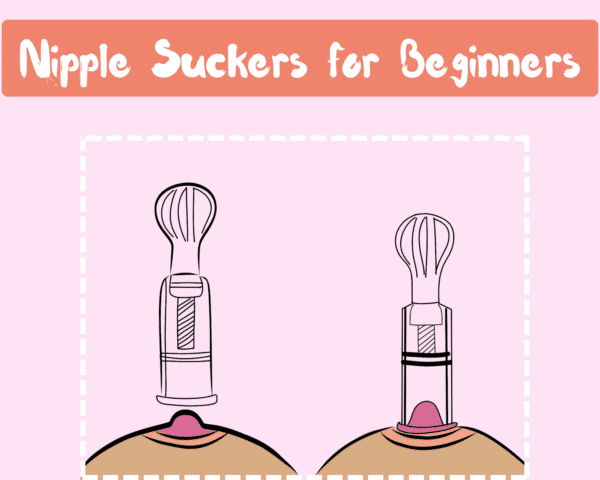
Breasts and nipples are packed with nerve endings and can be a major source of pleasure. Start by gently caressing, kissing, or licking the breasts before paying attention to the nipples.
Switch between soft touches and firmer squeezing or pinching, always keeping an eye on your partner’s comfort level. Cold or warm breath can be exciting, as can running your tongue around the nipple. Using your fingers, tongue, or even a feather can create different sensations.
If your partner enjoys more intense play, you can try light biting or sucking. But like with everything else, respect boundaries and keep up the communication—nothing interrupts the mood like an unexpected “yeow!” from teeth to tit.
Safe Sex and Preventing STIs
Using barriers and talking openly with your partner are two straightforward ways to look after your sexual health. These actions lower your chances of passing or getting a sexually transmitted infection (STI) and help you both feel comfortable and confident.
Condoms, Dental Dams, and Finger Cots
You might think only heterosexual couples use condoms, but they can be helpful for lesbian sex too, especially if you use shared sex toys or have sex with men. Condoms add a layer of protection—just put one on a toy before it penetrates the vagina or anus, and change it with every partner.
Dental dams are thin sheets of latex or polyurethane you spread over the vulva or anus during oral sex. They can seem a bit awkward at first, but they work well to keep skin and fluids from mixing, which is the main way many STIs can be spread.
Finger cots or latex gloves are great for fingering or fisting. They stop cuts or hangnails from turning a sexy night into an unwanted visit to the doctor. Change gloves between partners or after switching from oral or anal to vaginal contact.
Always check for latex allergies first, and consider non-latex options if needed. Proper use and regular cleaning of toys and barriers go a long way in keeping things safe.
Communication and Getting Tested
Talking about sexual health may feel strange at first, but it’s one of the best steps you can take to keep yourself and your partner safer. Before things heat up, discuss when you last got tested for STIs. Regular screenings—every 3 to 6 months if you have new or multiple partners—catch infections early, even if you have no symptoms.
Be open about your history and boundaries. If either of you has had recent unprotected sex, consider waiting for your next STI test before skipping barriers. Even things like oral sex can transmit an STI, so don’t skip the conversation just because there’s no penis involved.
You can make check-ups part of your sexual routine. Schedule tests together, send reminders, and share the results in a way that works for you both. Open communication builds trust and makes the whole experience less nerve-wracking.
Toys, Tools, and Advanced Techniques
Adding toys and new techniques to your sex life can boost pleasure and increase connection. Tools like strap-ons, dildos, and vibrators bring a new layer of excitement and let you explore different kinds of intimacy.
Exploring Strap-Ons and Dildos
Strap-ons open up many possibilities for partnered sex, giving you a way to enjoy penetrative sex that feels good for both of you. Picking the right dildo shape and size can make the experience more comfortable—start small if you’re unsure. Look for harnesses that fit well and adjust easily, so you’re not distracted during the fun.
Water-based lube is your best friend here—enough lube reduces friction and makes things feel much better for everyone. Communication is key: ask your partner about speed, depth, and angle, and be ready to switch things up if it’s not working. Don’t rush; take time with warm-ups like kissing, massage, or oral before any penetrative play with dildos or strap-ons.
Vibrators and Other Sex Toys
Vibrators aren’t just for solo play—they add a buzz to partnered sex, too. A small bullet vibrator can stimulate the clitoris, nipples, or other sensitive zones. You can also use wands or suction toys for different sensations; experiment to find the toy that hits just the right spot.
Some couples enjoy combining toys—for example, using a vibrator while having strap-on sex, or mixing manual stimulation with vibration. Always use clean toys and stick with water-based lube unless the manufacturer lists something different. After play, wash toys thoroughly with soap and warm water.
A few toys come in handy for comfort, too. A wedge pillow or soft props can raise hips or help with positioning, especially if you want angles that make reaching the right spots easier. List of useful toys:
- Vibrators (bullet, wand, suction)
- Dildos and realistic toys
- Harnesses or strap-ons
- Bondage tools (cuffs, blindfolds)
Couples Therapy Throbbing Tapping Spot Dual Vibrating Vibrator For Couples
Regular:Big Shot Rotating Remote ControlSilicone Dildo
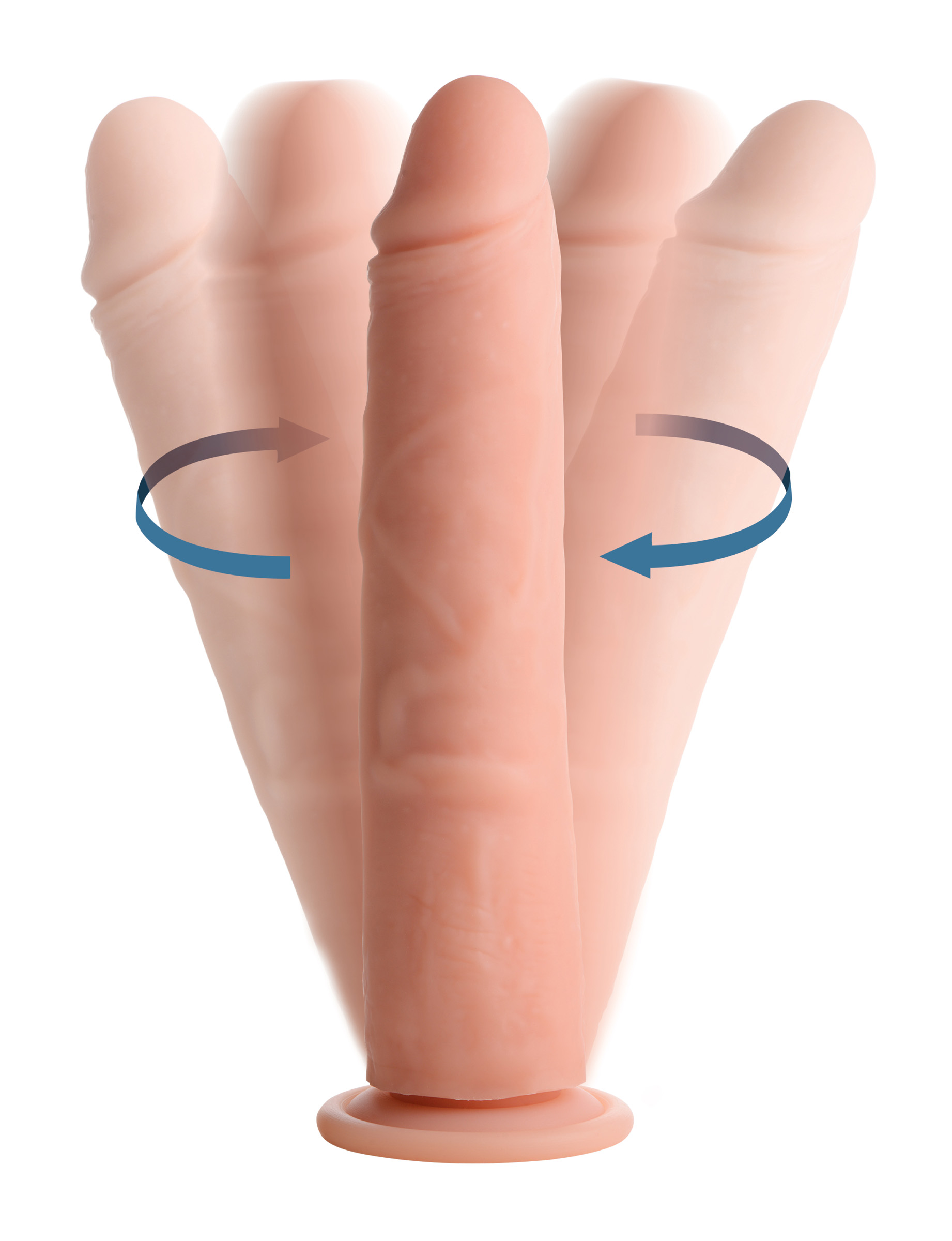
Regular:Me2 Vibrating Silicone Probe Strap On G Spot Vibrator Waterproof
Regular:Merci Hogtied Bind Tie Japanese Bondage Rope Fantasy Erotic Play Sex Toy

Regular:Fisting for the Adventurous

Fisting involves slowly and gently inserting an entire hand (or part of it) into the vagina, and it’s only for those who want intense, deep sensations. Good communication isn’t optional—it’s vital. You’ll want plenty of water-based lube to reduce friction since the area is sensitive and needs lots of moisture.
Start slow. Use a single finger, then more, relaxing and stretching the vaginal opening gradually. Keep everything clean—wash hands, trim fingernails, and use gloves for added safety. Check in with your partner and stop at any discomfort or pain.
Never force it. Fisting is about connection and trust, not just physical sensation. If you’re both laughing along the way, you’re doing it right. Preparation, patience, and gentle touch are more important than any showy moves.
Pleasure, Orgasms, and Aftercare
Understanding how your body works, how to find sexual pleasure, and what to do when the fun winds down all help make sex with another woman feel safe and satisfying. Every body is built a little differently, and small adjustments can make a big difference.
Understanding the Clitoris, G-Spot, and Vulva
The clitoris is often called the MVP of sexual pleasure for people with vulvas. It’s packed with nerve endings (over 8,000) and is found at the top of the vulva, where the inner labia meet. The clitoris extends inside the body, so gentle pressure around it often feels great.
The G-spot lives about two inches inside the vagina, on the front wall. Some say it feels slightly bumpy, unlike the smoother vaginal walls. Not everyone feels pleasure from G-spot touch, but some do. The vulva itself—the labia, clitoris, vaginal opening, and everything outside—is sensitive and full of nerve endings.
Explore different areas with fingers, a tongue, or toys. Some people like firm, steady rubbing; others like lighter, teasing touches. Always listen to your partner’s reactions and ask how things feel.
Achieving and Enhancing Orgasms
Orgasms aren’t the only goal, but they sure can be fun. For most people with vulvas, direct or indirect clitoral stimulation is the easiest route to orgasm. Rubbing, licking, or using a vibrator on and around the clitoris often works best. Penetration alone rarely brings anyone with a vagina to orgasm.
Changing up rhythm, speed, and pressure can help keep things interesting. Some like a slow build, others go straight for the fireworks—talk about what works for you. No two orgasms are exactly the same, so stay open to trying different positions, angles, or even switching roles.
If you or your partner haven’t had an orgasm, that’s okay. Other types of pleasure matter—a lot. Take breaks if needed, laugh about awkward moments, and keep exploring.
Cuddle, Communicate, and Celebrate
Aftercare means taking the time to relax, show care, and wind down together. Many people love cuddling after sex—skin-to-skin contact can boost feelings of closeness thanks to all that sweet oxytocin. Grab a snack, share a laugh, or just lay quietly and enjoy the afterglow.
Check in with each other about what you liked and what you might try next time. Honest feedback helps everyone learn what feels good. If something felt awkward or uncomfortable, say so without blame or shame.
Ideas for aftercare:
- Cuddle together under a blanket
- Grab some water or a snack
- Give each other back rubs
- Talk about your favorite parts of the experience
Sex doesn’t end at orgasm; the care and connection you share after are just as important.


Add comment
You must be logged in to post a comment.